An oil expeller is a screw press used for the final extraction of vegetable oil from oil-bearing raw materials.
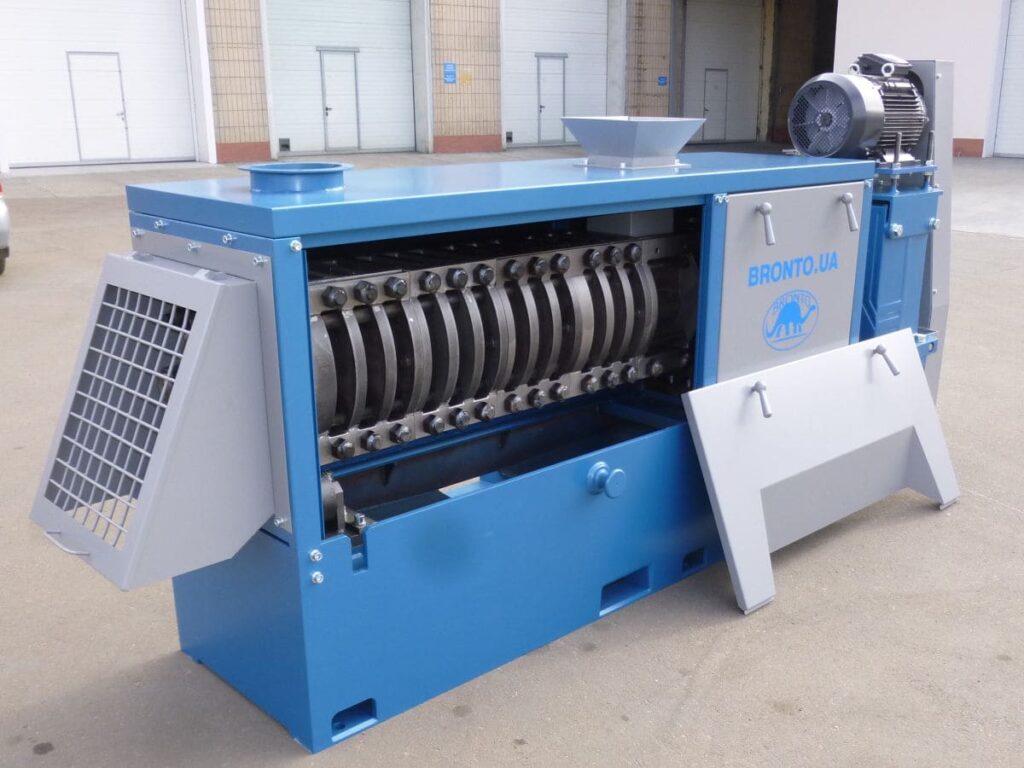

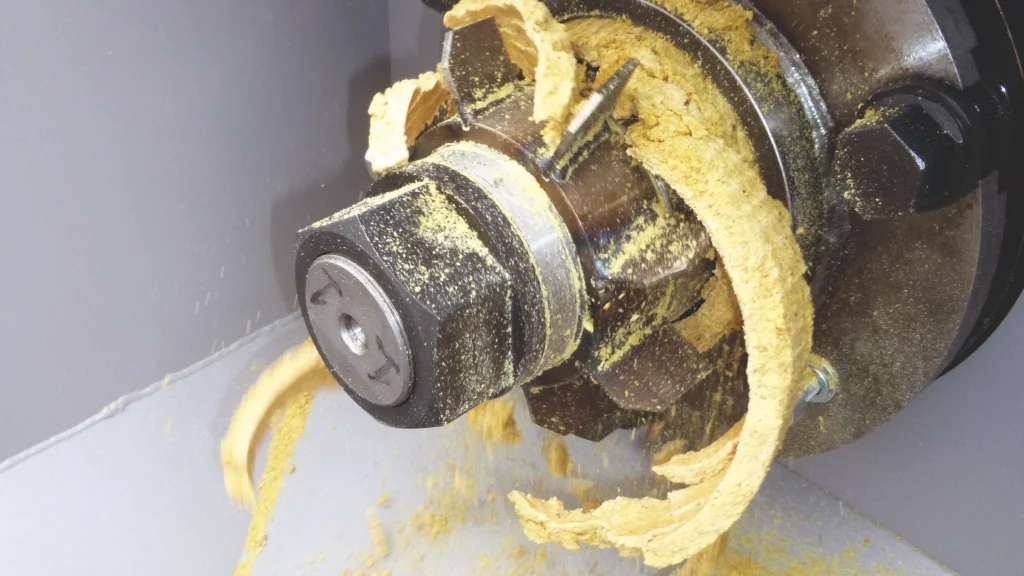
The oil expeller reduces the oil content in the press cake from 15–25% to 7–9%.
This reduction occurs at:
Expellers are used as the sole pressing machine (without subsequent secondary pressing) for crops with an oil content of up to 27%:
See here for processing lines featuring this oil press/expeller.
In processing lines for products with an oil content exceeding 27%, a pre-press (expeller-preliminary press) is used upstream of the expeller – see here.
Oil Expeller for Soybeans processing:
Soybeans contain up to 25% vegetable oil.
Therefore, the soybean line is set up according to a specific scheme.:
dehuller — extruder — expeller — cooler
The dehuller crushes the beans, removes the shell, and increases the protein content of the final product.
The extruder reduces the content of anti-nutritional substances (to permissible levels), ruptures soybean fat cells (improving oil yield), and heats the raw material prior to pressing.
The ground and heated (to 110–115°C) soybean mass is fed into the press chamber.
A screw shaft rotates (at a speed of 15–25 revolutions per minute) and conveys the raw material along the perforated press chamber.
Four zones are created along the path of material flow, in which the clearance between the press chamber’s screen bars and the screw shaft progressively decreases.
The volume is reduced by means of:
Bars with narrower gaps are installed in each successive pressing zone.
Full-fat soybeans move through the expeller’s pressing chamber and are compressed.
Soybean oil is squeezed out through the gaps between the bars, while the solid particles (oil cake) move toward the next pressing zone.
An outlet sleeve with an adjustable gap is installed after the final pressing zone.
Soybean cake exits the discharge sleeve with an oil content of 7–8% and a temperature of 100–115°C.
The cooler lowers the temperature of the oil cake and protects the proteins within it from denaturation.
In some cases, the resulting oil cake is pressed again in an expeller to reduce the residual oil content to 5–6% and obtain an additional 2–3% of oil.
In this case, it is necessary to:
We manufacture expellers with capacities of 500 kg/h and 1,000 kg/h (12 t/day and 24 t/day).
Fill out the application here.
We’ll be happy to get in touch and guide you through everything!
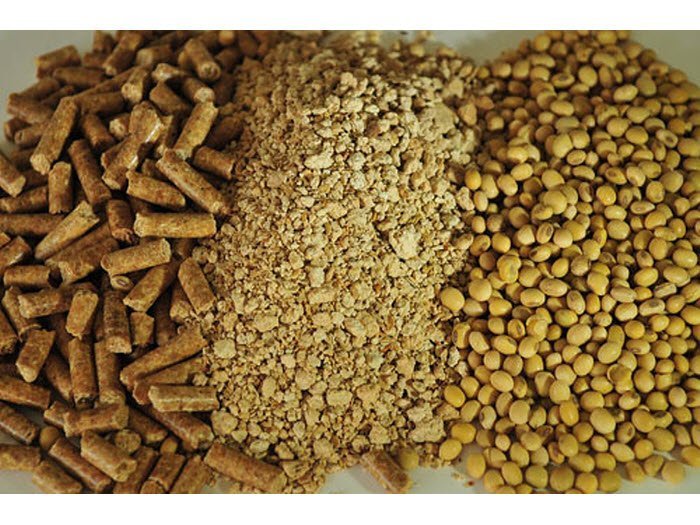
One of the key limiting factors in improving compound feed quality is the deficit of protein raw materials, a replenishable source of which is the grain of leguminous crops. Legumes (lupines, vetches, field beans, field peas, soybeans, chickpeas) contain 25% to 40% protein, 37–45% starch, 1.5–4.5% fat, vitamins, and micronutrients. The proteins of leguminous crops are characterized by good solubility: water- and salt-soluble fractions account for 70% to 90% of the protein. The amino acid profile includes all essential amino acids, with methionine + cystine being the limiting amino acid. Seeds of vetch and field beans have lysine as their second limiting amino acid.
The market for pet food (dogs and cats) is one of the most dynamic and profitable segments of the feed-milling industry. While the profitability of traditional compound feed for farm animals typically ranges from 5% to 15%, the production of dry pet food achieves a profitability of 50% to 250%.
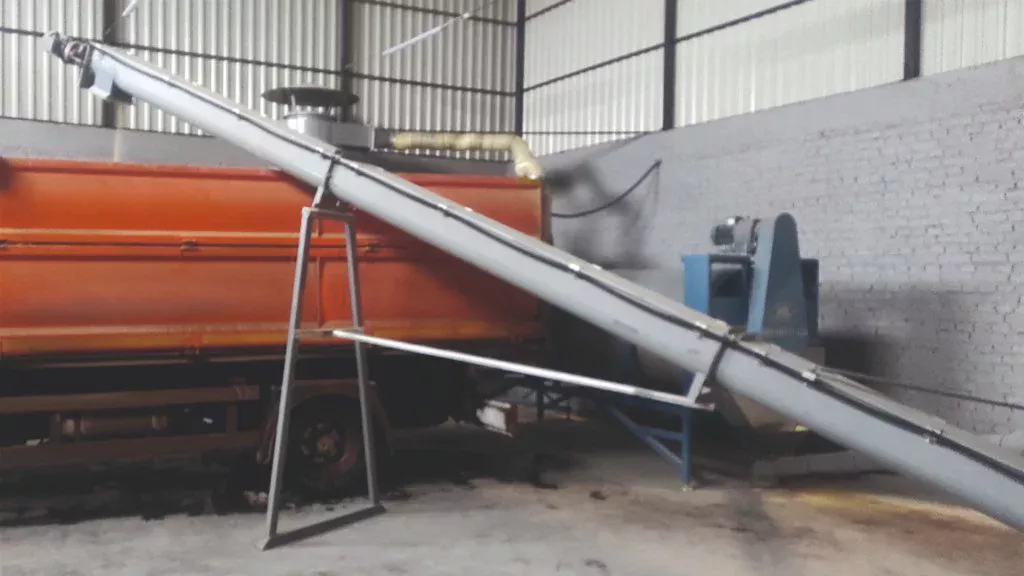
Are you no longer satisfied with the oil content of soybean meal? What can you do to return to 7-8% oil content?
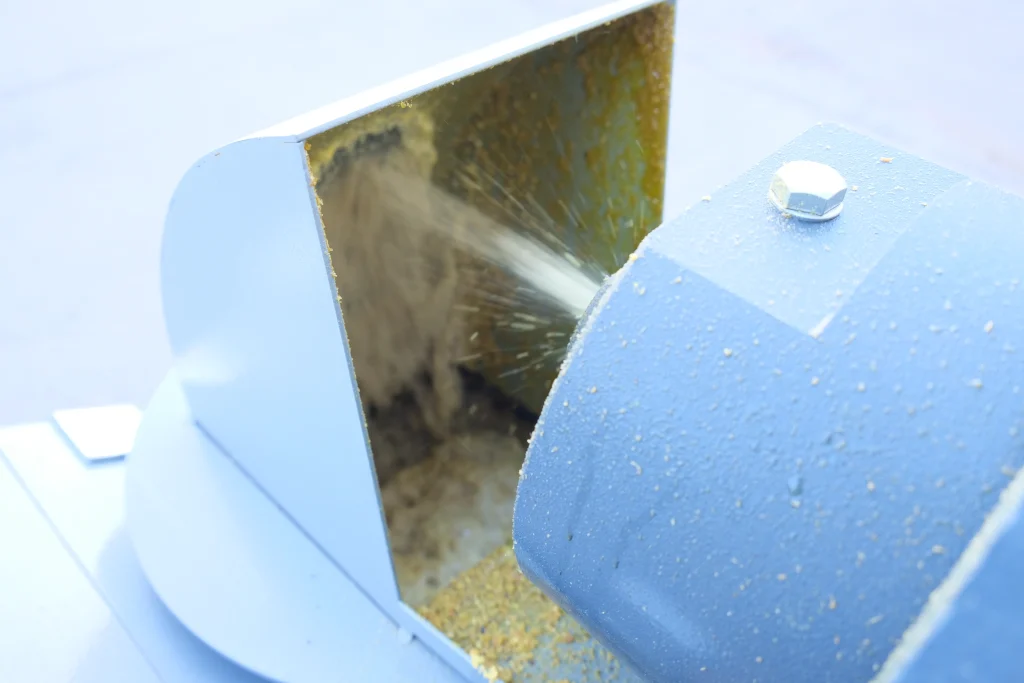
At first glance, soybean oilcake and soybean meal appear to be similar products: both are by-products of soybean processing and a valuable source of protein for animal feed. However, their production technology differs significantly, which directly affects nutrient content, digestibility, and cost-effectiveness.
 EXPERTS
