
technical information: step-by-step
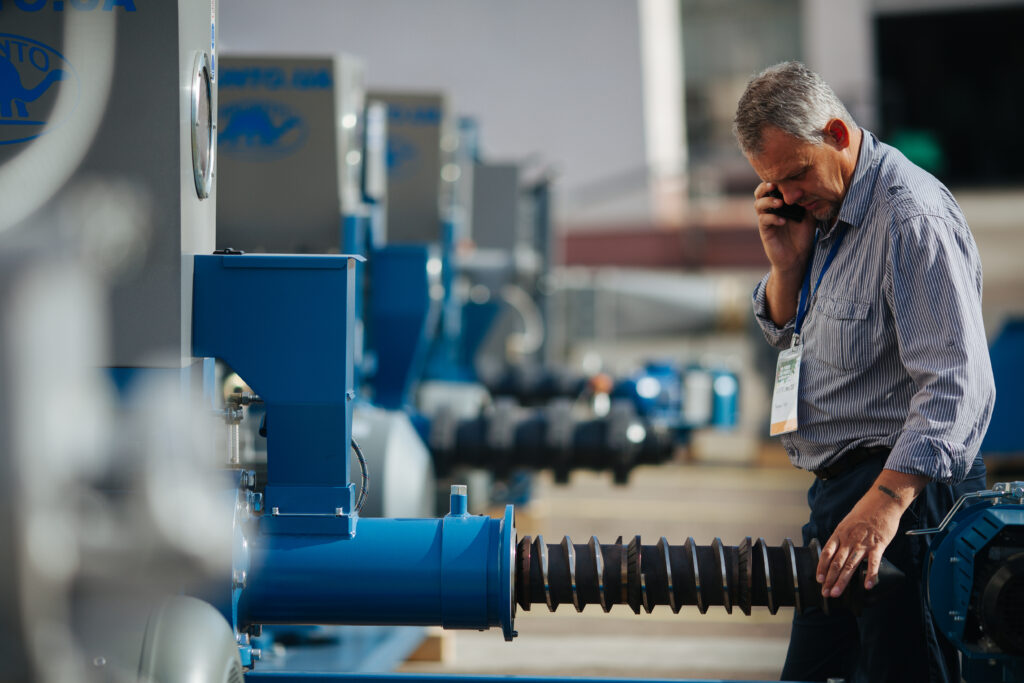
We manufacture processing equipment for vegetable oil production, including a range of oil presses, extruders, oilcake coolers, and other machinery with a wide range of capacities.
This document is intended to provide an overview of soybean processing technology using BRONTO equipment; it contains information regarding the operation and maintenance of this equipment, as well as limitations and requirements related to its installation.
This technical information addresses a comprehensive solution to a production requirement— “A mini-plant for soybean oil production” using the extrusion-pressing method—which comprises the following production stages:
Stage 1
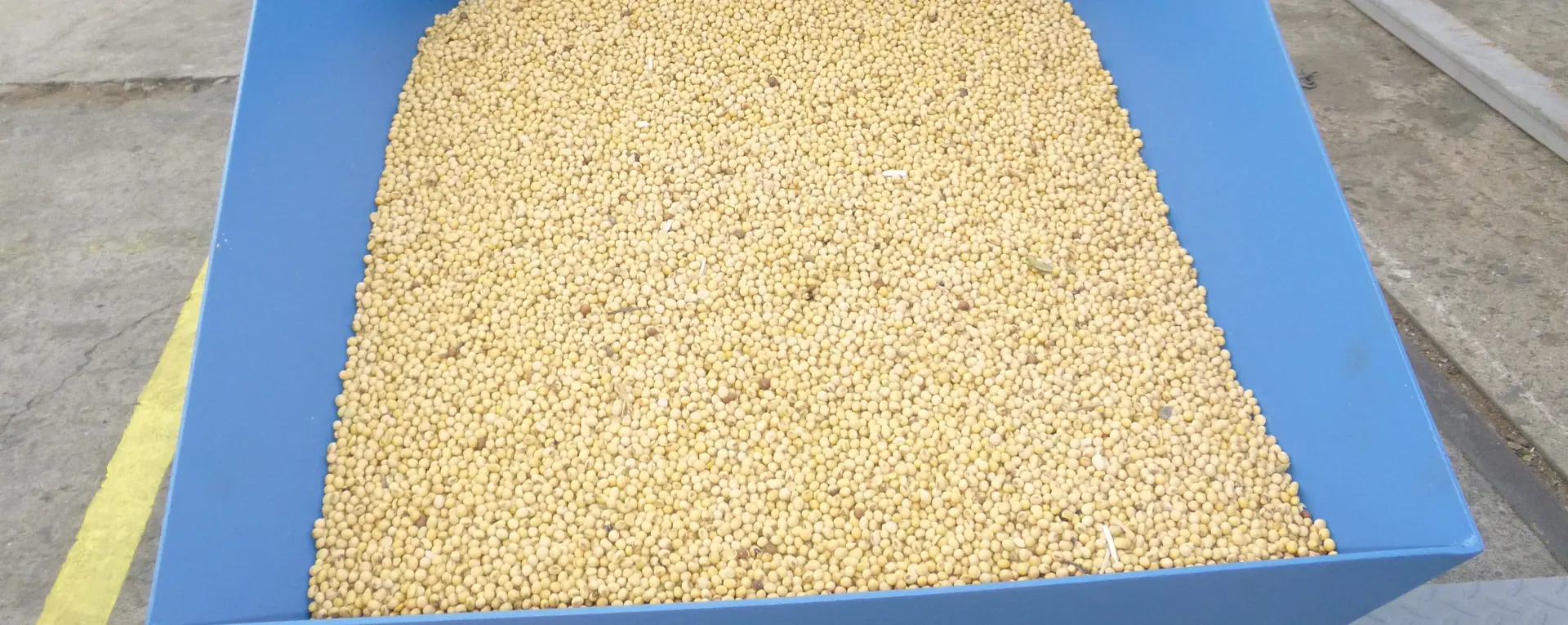
Preparation of raw materials;
Stage 2
Extrusion;
Stage 3
Pressing;
Stage 4
Cooling;
Stage 5
Filtration and storage of finished products.
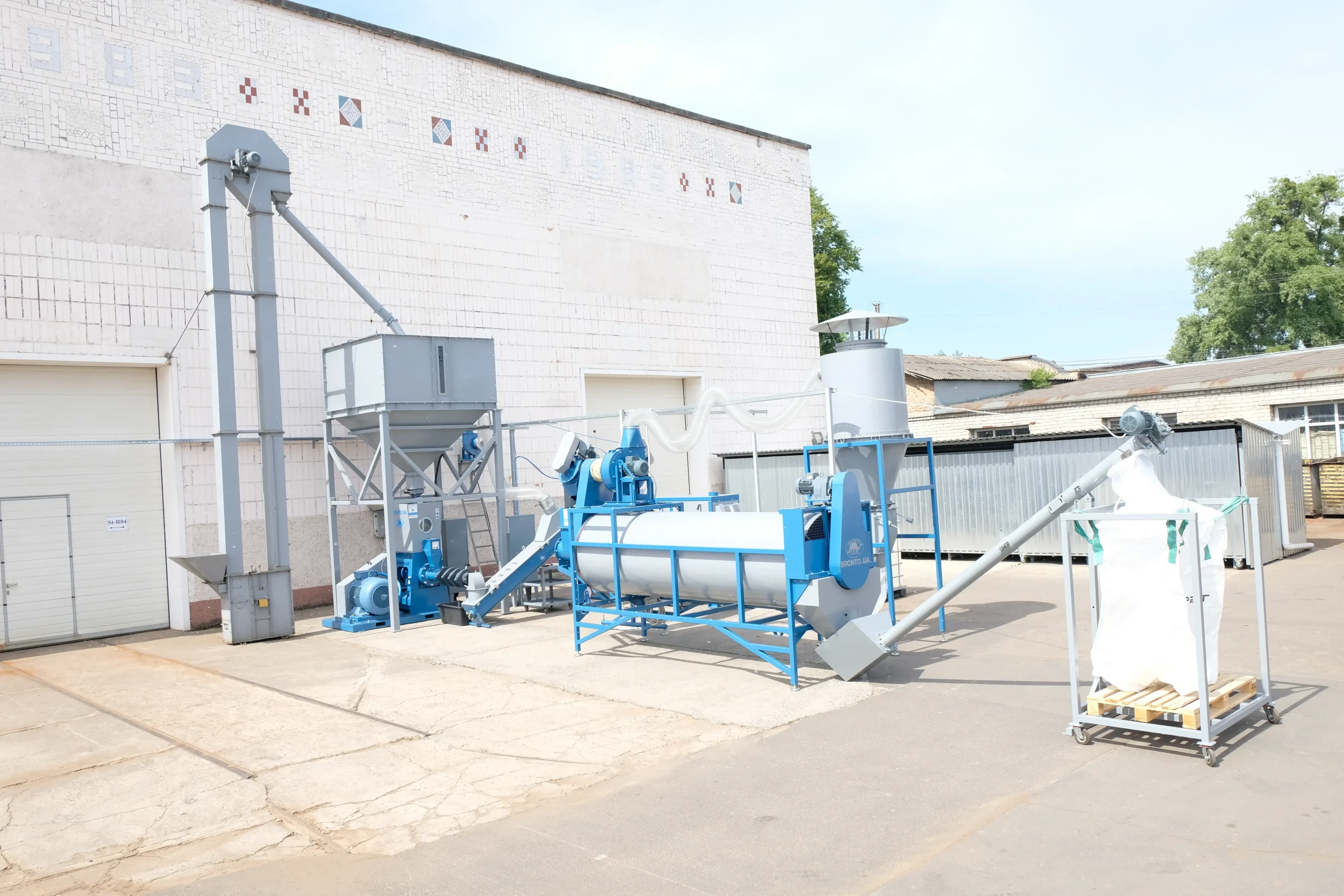
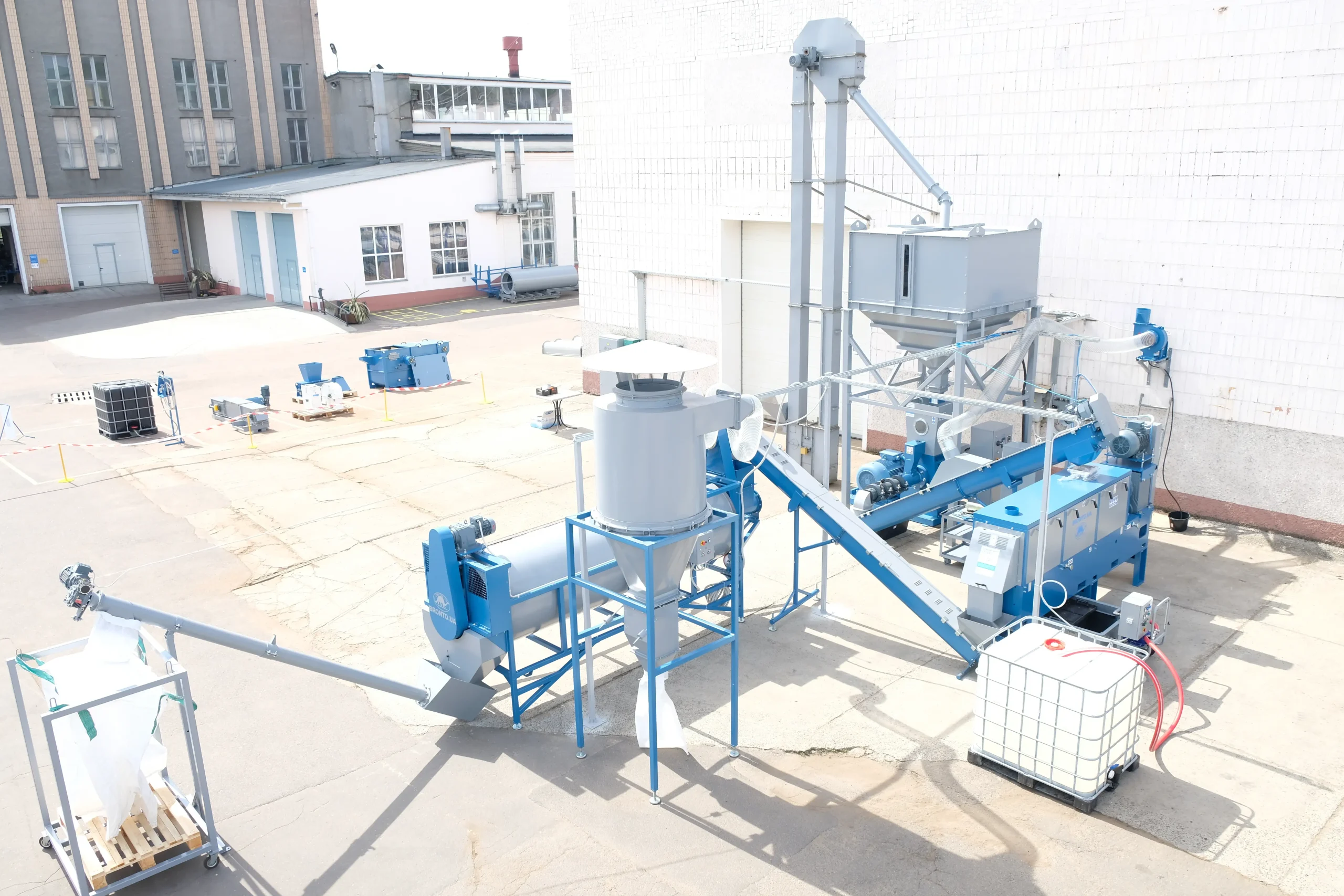


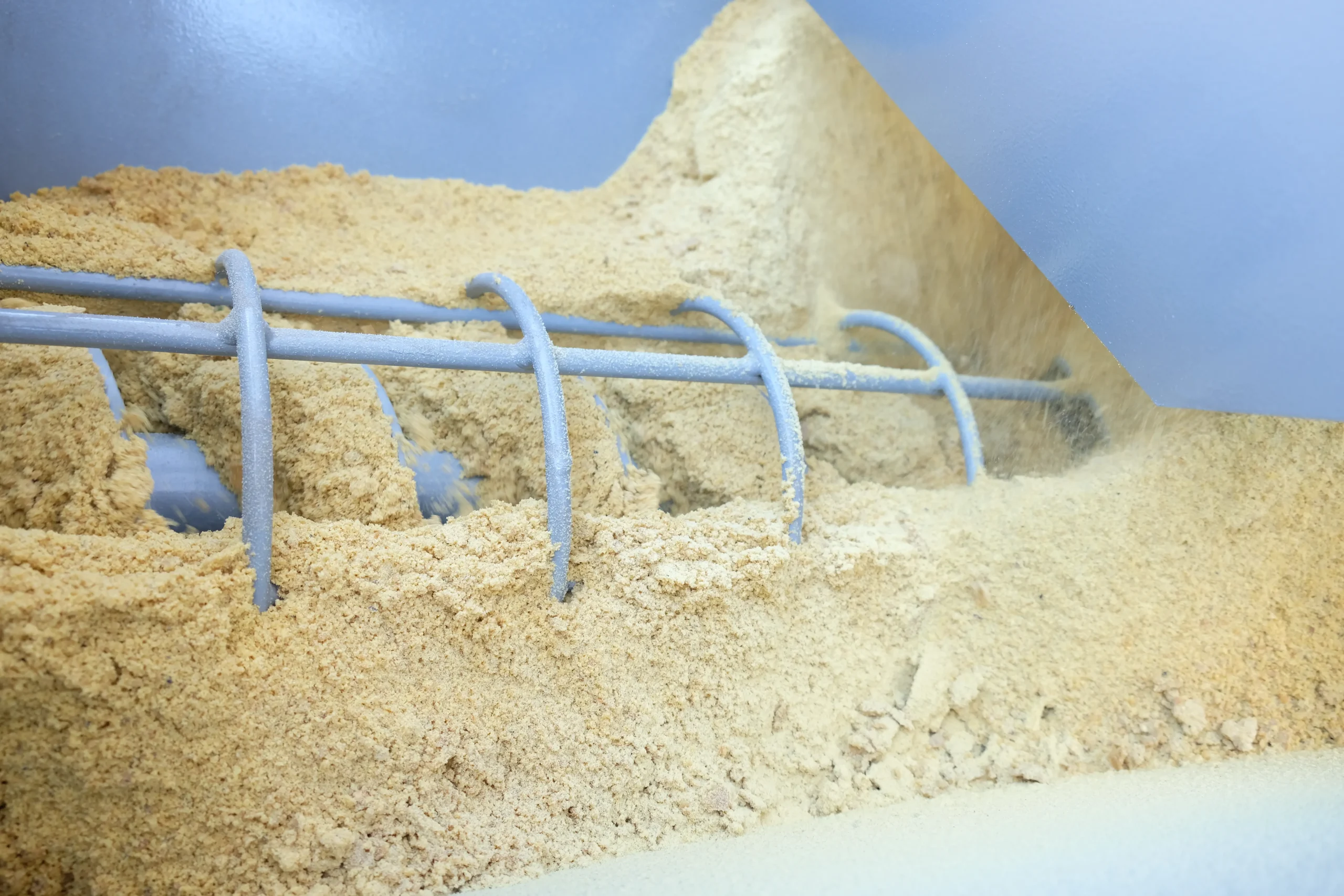




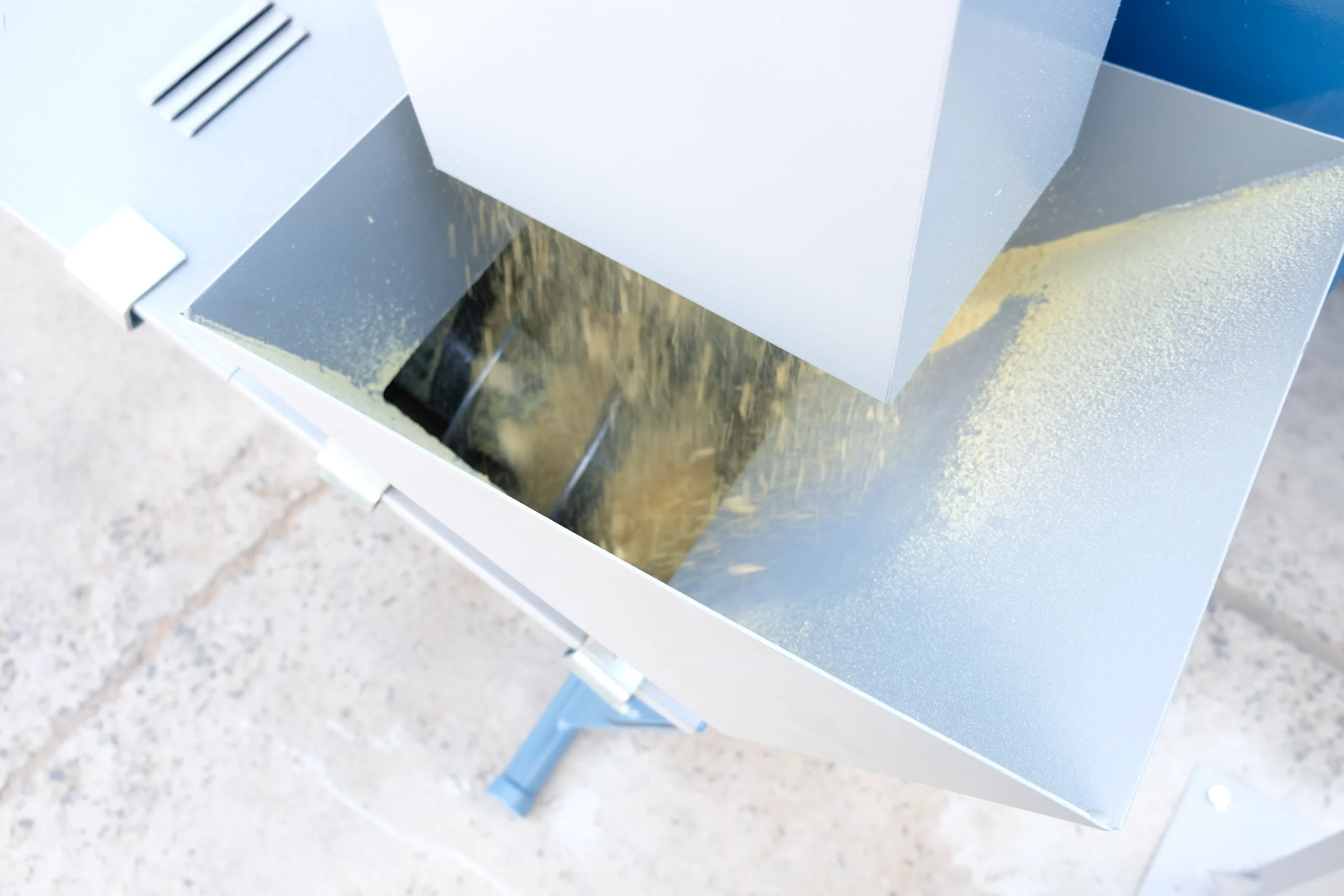
Depending on consumer needs and the level of automation, the line’s components can be equipped with various auxiliary operating systems and additional machines.
This technical information outlines the standard supply scope, equipment configuration, and specifications for a soybean processing line utilizing the extrusion-pressing method.
To achieve optimal processing results, specialized seed pre-treatment—specifically hull removal and the splitting of soybean kernels into halves or quarters—can be employed.
If you are interested in processing crops other than those listed in this proposal, please feel free to contact BRONTO for more detailed information.
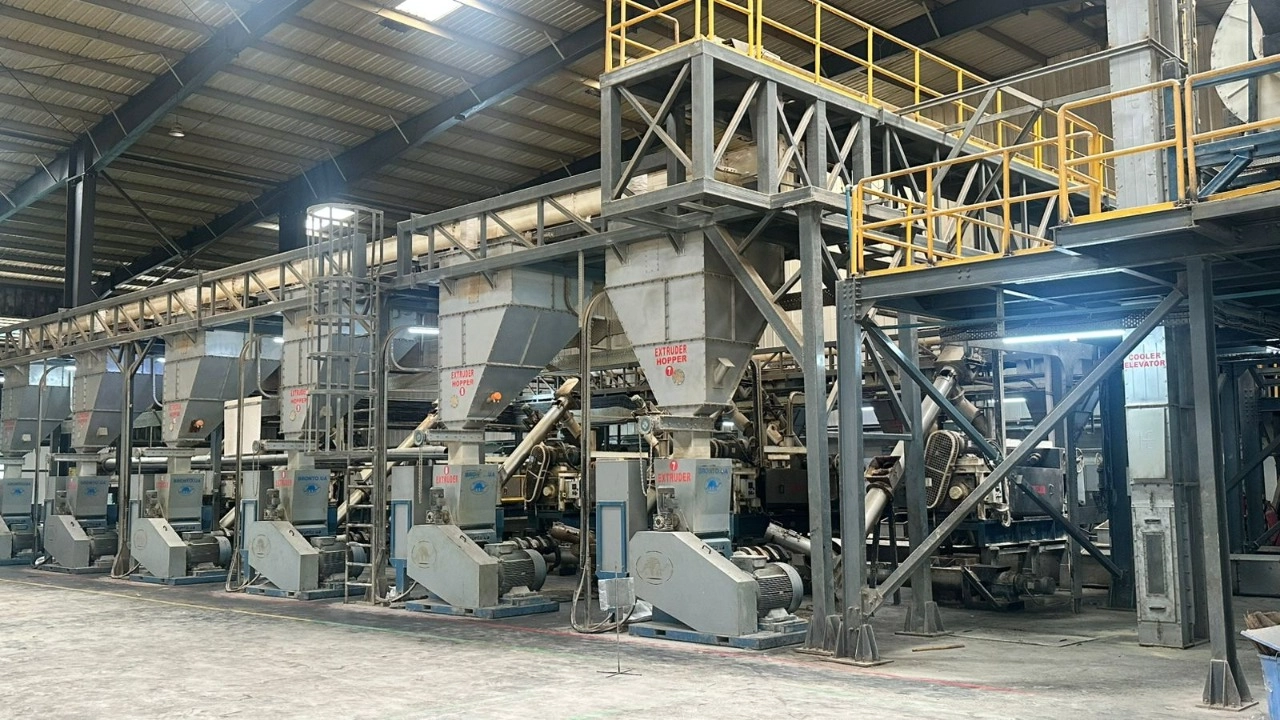
We offer modern technology for soybean processing based on the extruder-press method. Our equipment enables us to meet specific customer requirements across a wide range of scales—from very small volumes to large-scale production facilities.
The proposed single-stage pressing and extrusion technology comprises the following main processes:
1. mechanical and thermal processing of soybean seeds via extrusion to produce “Full-Fat” semi-defatted oilcake;
2. pressing.
Depending on the required production capacity, this technology can be implemented using standard BRONTO equipment as follows:
| Extruder | Press | Productivity t of beans/h |
Productivity of beans/day |
Capacity tonnes of beans/year |
|---|---|---|---|---|
| Е-500 | ОР-500 | 0,5 | 12 | 3960 |
| Е-1000 | ОР-1000 | 1 | 24 | 7920 |
| Beans | Recommended humidity | Average oil content (at average moisture content) |
|---|---|---|
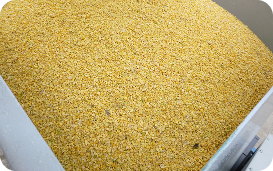
| Soybeans | 8-9% | 20% |

obtained via single-stage extrusion-pressing
| Beans | Raw material moisture content, % | Residual oil content in dry matter, % | Oil yield at average raw material oil content, % |
|---|---|---|---|
| Soybeans | 8-9 | 7-9 | 12-14 |
using the single-stage pressing-with-extrusion method, consists of the following main stages:
The soybean oil production technology includes a raw material preparation stage:
To reduce fiber content and increase protein levels in the meal, a hulling and grinding unit can be used to de-hull and crush the soybeans. The prepared soybeans are then conveyed to a buffer storage area.
It is recommended to maintain a buffer stock of raw material sufficient for several hours of continuous line operation.
The following options may be utilized at the client’s request:
This processing stage takes place in an extruder under high pressure within the chamber for a few seconds. The thermal exposure is brief, lasting only long enough to neutralize anti-nutritional substances and sterilize the raw material (destroying microorganisms and mold). Significant expansion of the product as it exits the extruder disrupts cellular structures, facilitating oil extraction in the subsequent stage.
After extrusion, the extrudate—heated to a temperature of 125–155°C—is fed into the press via a feeder. Excess steam from the feeder is vented into the ventilation system. Upon exiting the press, the oil cake is conveyed to the cooling stage and subsequently to storage.
At the customer’s request, the following OPTIONS may be utilized:
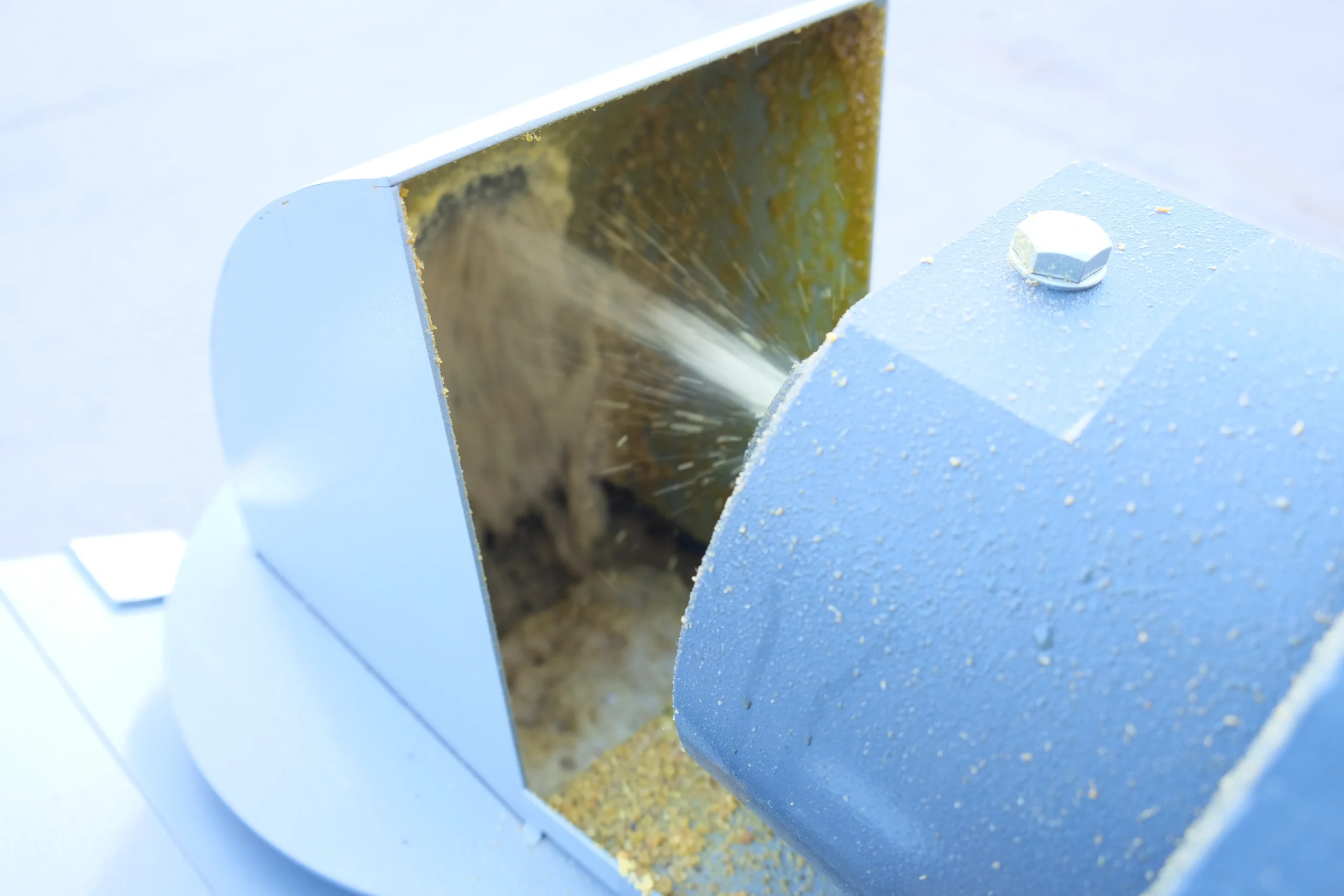
After pressing, the oil cake has a temperature of 80°C and is conveyed to the cooling stage by a screw feeder. The cooler brings the oil cake to a temperature 10°C above ambient room temperature. A drum-type cooler is used in the standard oil processing workflow.
The “Counter-flow cooler” option is available. Excess steam from the press and the screw feeder—which conveys the oil cake from the press to the cooler—is vented into a fan-equipped ventilation system.
After cooling, the oil cake is transported to the storage area.
To improve the oilcake storage and monitoring process, we recommend bulk storage. Conveying equipment is used to distribute the oilcake across the warehouse floor. An option for storing oilcake in big bags is also available.
Oil filtration is carried out in two stages. In the first stage, the oil passes through a sediment trap to remove large mechanical particles (hull fragments); the second stage involves filtration using a filter unit.
Oil is pumped from the sediment trap to the filter. The filtered oil is sent to a storage tank.
Oil is loaded into the tanker truck using a pump.
At the customer’s request, the following OPTIONS may be utilized:

Join us on youtube
Here you will find video content dedicated to Bronto's tech
A mini-plant (or processing line) for soybeans can be equipped with a centralized control panel for all equipment, with the exception of the extruder.
Instruments and sensors monitor the equipment’s operational parameters, such as hopper fill levels, extruder operating temperatures, motor loads, conveyor speeds, and more. In the event of an emergency or unforeseen situation on the line, the relevant equipment—or the entire line—will be automatically shut down.
Control is exercised both via switches on the equipment control cabinets and from the centralized line operator console.
The coordination of the production line equipment’s operation is achieved by adjusting the throughput of its individual components, such as feeders, conveyors, and the like.
An advantage of using an automated control system is the simplification of monitoring and reduced operating costs for the line.
Process:
Raw material moisture content:
8-9%
Temperature:
ambient temperature
Oil content:
based on the material
Loading raw material into the silo; cleaning the raw material to remove stones and fine debris. Dehulling and grinding the beans.
Process:
Temperature:
+ 110-140 °С
Oil content:
based on the material
Process:
Temperature:
+ 70-115 °С
Oil content:
residual oil content up to 8%
Process:
Temperature:
temperature 10°C higher than the temperature in the production area
Oil content:
residual oil content up to 8%
Process:
Temperature:
ambient temperature
Process:
Temperature:
ambient temperature
Oil content:
residual oil content up to 8%
The following options can be added to the proposed technology:
– Seed storage option
Used for receiving and storing seeds. Storage options for the raw material include floor storage and storage in big bags.
– Soybean cleaning option
To ensure the quality of the soybeans being processed, a soybean cleaning option is available. This involves the use of additional equipment (such as a destoner and a grain cleaning separator).
– Soybean dehulling and grinding option
Designed for the dehulling and grinding of soybeans. It involves the use of a dehulling and grinding unit.
– Oilcake grinding option
This option is used when it is necessary to obtain oilcake with specific particle sizes. It involves the use of an oilcake grinder mounted on the oil press.
– Counter-flow meal cooler option
Used to replace a drum-type cooler with a counter-flow cooler.
Using this type of cooler helps reduce equipment noise and provides a capacity and footprint margin should the processing line’s throughput be increased. This option is particularly effective when operating four or more soybean processing lines (4 x 1 t/h).
– Oilcake moistening option
Designed to moisten the oilcake to a level of 8–9%, making it possible to compensate for moisture loss during extrusion.
– Big-bag storage option for oilcake
This option replaces floor storage of oilcake with storage in big bags. It involves additional equipment for feeding the oilcake to the big-bag filling unit. It reduces the floor space required for oilcake storage and eliminates the need for additional equipment to handle bulk-stored oilcake.
– Mechanical sludge collection option for presses.
Used in lines with a capacity of 2–4 tonnes per hour.
– Oil filtration using the principle of communicating vessels
This method is used to reduce the cost of vegetable oil production. It involves the use of two or more interconnected containers; subsequent containers fill up only after the preceding ones have overflowed. The gradual flow of oil through these containers and the resulting settling period allow the oil to undergo filtration via sedimentation. The bottoms of the containers must be cleaned of sediment periodically.
– Automated process control option
The level of process automation depends on the customer’s requirements and is tailored to individual needs. All the listed options are supplied with the necessary electrical equipment for their operation and include connections to the control and regulation system.
The price of the options listed in the quotation is valid only if they are ordered simultaneously with the technology itself. The cost of additional supplies is generally significantly higher and must be calculated separately, taking specific conditions into account.
The table lists the key parameters regarding productivity, quality, energy consumption, and equipment installation requirements.
These are indicative values for standard, field-proven solutions; some may be adjusted to meet specific facility requirements or the needs of a particular investment project.
Achieving the stated productivity and quality parameters requires a process optimization period (several weeks) and stable operation.
| Item No. | Name | Appointment | Key parameters | Power, kW |
|---|---|---|---|---|
| 1 | N1-50 Bucket Elevator | Feeding seeds for storage | Height: as per design | 5,5 |
| 2 | Silage | Seed storage | Volume: as per design | – |
| 3 | BMP Magnetic Separator | Separation of metal particles from seeds | – | – |
| 4 | PHP-130 feeder with variable frequency control | Metered feeding of seeds for processing | Length: as per design | 1,1 |
| 5 | PKV-3 Stone Separator | Separation of mineral impurities | – | 0,37 |
| 6 | Separator A1-BMS-6 | Cleaning seeds of organic impurities | – | 3,75 |
| 7 | KOR-140-36 Diverter Valve | Diverting the seed flow to the dehulling units (9, 10, 11, 12) or to the bucket elevator (13) | – | – |
| 8 | LSG-4 Shelling and Crushing Unit | Dehulling and grinding of soybeans | Q = 4 t/h | 24 |
| 9 | N1-10 Bucket Elevator | Transportation of soybeans for operational storage | – | 1,1 |
| 10 | Operational seed hopper | Buffer storage of seeds, ensuring continuous operation of the line for several hours. | V = 7 m³ | – |
| 11 | Magnetic trap (2 pcs.) | Selection of metal particles | – | – |
| 12 | E-500 extruder or E-1000N extruder | Soybean extrusion | Q = 500 kg/h
Q = 1000 kg/h |
55,0
90,1 |
| 13 | SF-250 Feeder (2 units) | Feeding the extrudate to the press | – | 1,1 |
| 14 | Fan VC 4-75 No. 2.5 | Steam extraction from the feeder (13) | Q = 1.5 thousand m³/h | 0,75 |
| 15 | OP-500 oil press or OP-1000 oil press | Oil extraction | Q = 500 kg/h
Q = 1000 kg/h |
15
23 |
| 16 | VK-200 Screw Conveyor without Rear Support | Oil supply to the sludge trap (22) | Length: as per design | 1,1 |
| 17 | OC-1000 Oilcake Crusher | Grinding of oilcake | – | 0,75 |
| 18 | Fan VCP 5-45 #3,15 | Steam exhaust from the presses (21, 28) and the cake feeder to the cooler (27) | Q = 2500 m³/h | 1,5 |
| 19 | OE-500 cooler or OE-1000N cooler | Oilcake cooling | Q = 500 kg/h
Q = 1000 kg/h |
2,25
4,5 |
| 20 | N1-10 Bucket Elevator | Conveying oilcake for storage | Height: as per design | 1,1 |
| 21 | Conveyor VK-200 (1.1 kW) | Distributing oilcake around the perimeter of the warehouse. | Length: as per design | 1,1 |
| 22 | Oil sediment catcher GL-400 | Primary oil purification | – | 1,5 |
| 23 | NMH 5-25-2.5/6 Pump | Oil supply for filtration | Q = 2.5 m³/h | 2,2 |
| 24 | VNP-10 Vertical Pressure Plate Filter | Oil filtration | – | 20,7 |
| 25 | Capacity | Storage of filtered oil | V = 30 m³ | – |
| 26 | NMH 32-10-18/6 Pump | Oil loading into the tanker truck | Q = 18 m³/h | 7,5 |
To ensure the necessary conditions for the installation and operation of the technology, the client must arrange for the following requirements to be met:
Housing the mini-plant’s equipment requires an insulated facility with a total area of at least 500 m². The mini-workshop equipment can be installed either directly on the floor or on metal structural platforms if the equipment is arranged across multiple levels.
The processing equipment operates on a three-phase power supply system with a grounded neutral and a voltage of 3×380 V. The estimated total power capacity of the processing equipment is up to 175 kW.
For the mini-plant to operate correctly, it is necessary to monitor certain parameters under laboratory conditions and adjust equipment operating parameters based on the results.
The laboratory is not included in the scope of supply. The customer ensures the continuous operation of their own laboratory or cooperation with a local laboratory.
THE PRODUCT SENT FOR
PROCESSING MUST
MEET THE REQUIREMENTS:
DSTU 4964:2008 “Soybeans. Specifications”
THE FINAL PRODUCT MUST
COMPLY WITH THE REQUIREMENTS
OF REGULATORY DOCUMENTS:
DSTU 27149-95 Soybean oil cake for animal feed.
Specifications
DSTU 4534:2006 Soybean oil.
Specifications
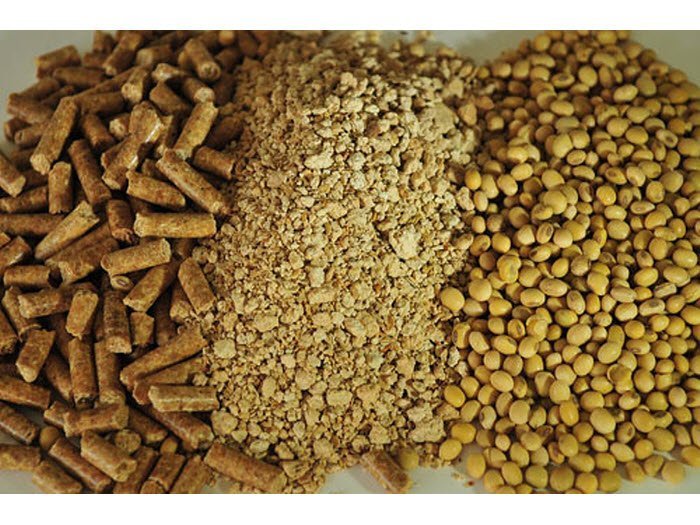
One of the key limiting factors in improving compound feed quality is the deficit of protein raw materials, a replenishable source of which is the grain of leguminous crops. Legumes (lupines, vetches, field beans, field peas, soybeans, chickpeas) contain 25% to 40% protein, 37–45% starch, 1.5–4.5% fat, vitamins, and micronutrients. The proteins of leguminous crops are characterized by good solubility: water- and salt-soluble fractions account for 70% to 90% of the protein. The amino acid profile includes all essential amino acids, with methionine + cystine being the limiting amino acid. Seeds of vetch and field beans have lysine as their second limiting amino acid.
The market for pet food (dogs and cats) is one of the most dynamic and profitable segments of the feed-milling industry. While the profitability of traditional compound feed for farm animals typically ranges from 5% to 15%, the production of dry pet food achieves a profitability of 50% to 250%.
There is currently frequent discussion regarding lowering the upper limit of permissible urease activity to 0.050 pH units.

A common question arises: How long does it take to fill and empty the MOS-500 mechanical oil separator?
 EXPERTS

 Go to YouTube
