
Testing facility
We test engineering solutions using real materials
and under controlled conditions.

a synthesis of technologies and experience
6
process engineers
in the department
20+
years of developing modern
equipment
400+
implemented projects
in 60+ countries
we define the task and requirements.
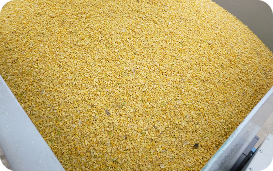
calculation of pressing parameters

we are testing the equipment under real-world conditions.
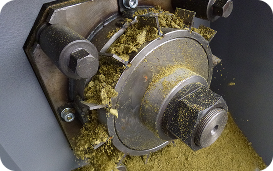
we analyze the results and adjust the parameters.
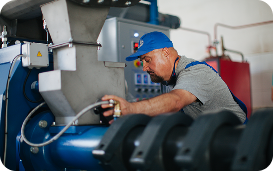
we hand over the finished solution to the client.
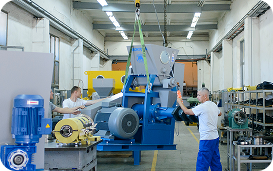

The expertise we share
Research, practical developments, and the perspective of BRONTO’s R&D department.
We test engineering solutions using real materials
and under controlled conditions.
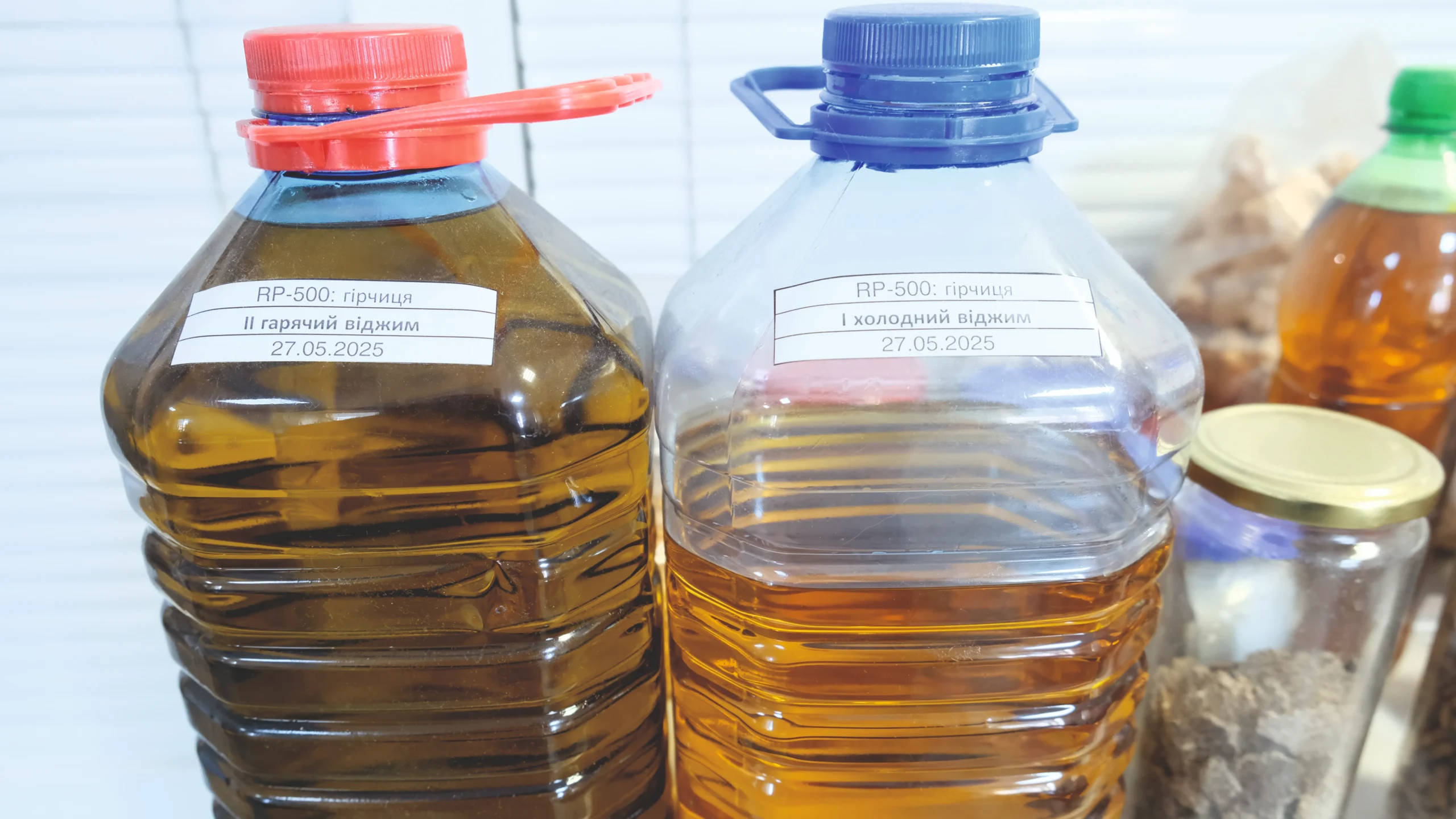


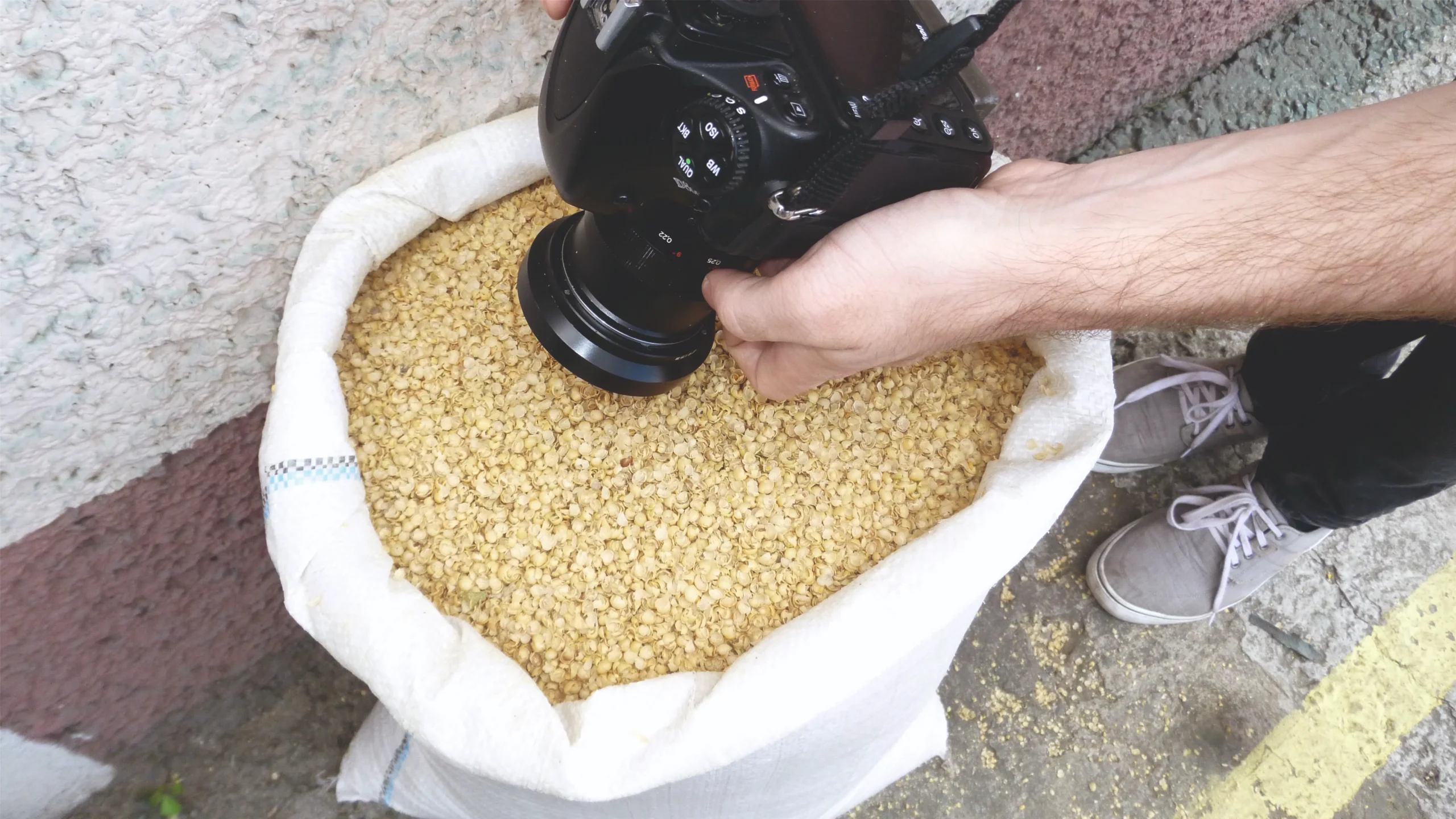


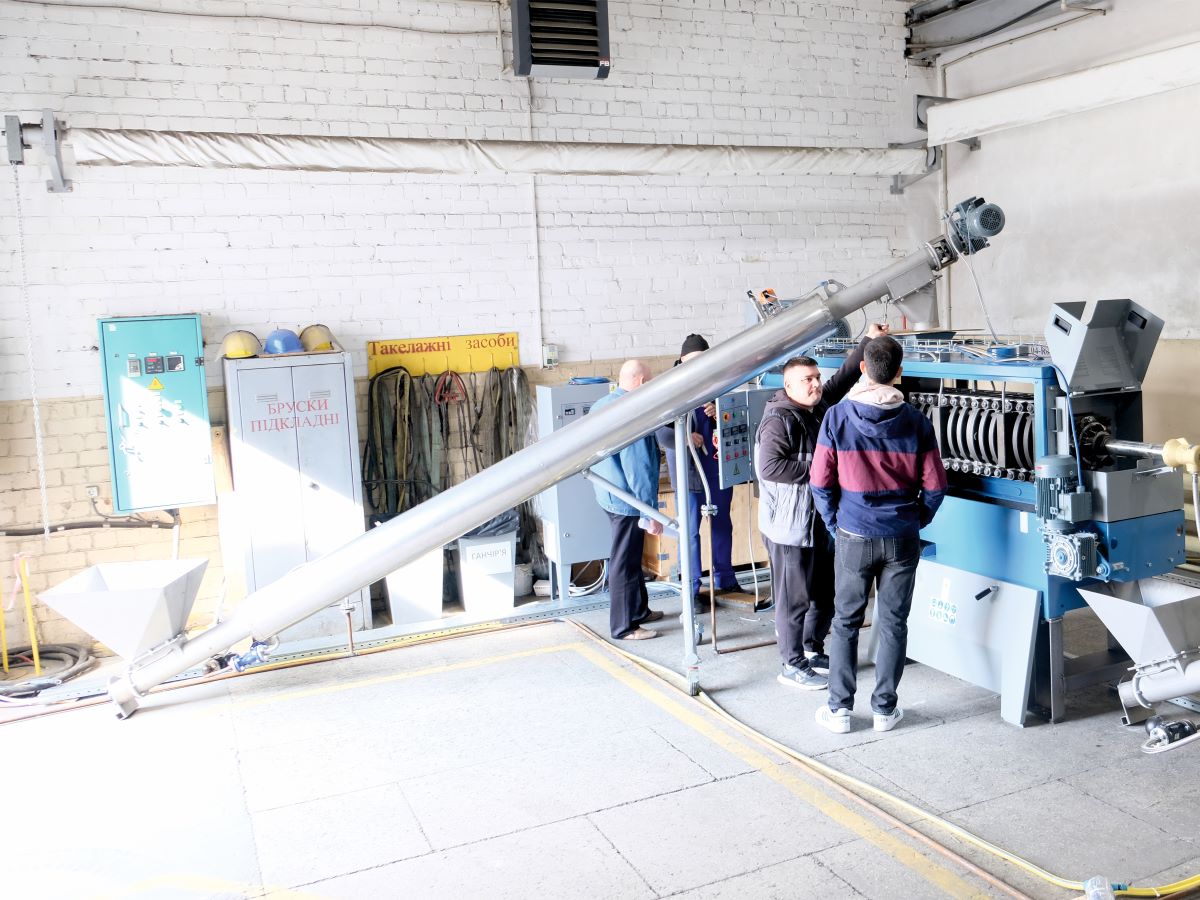


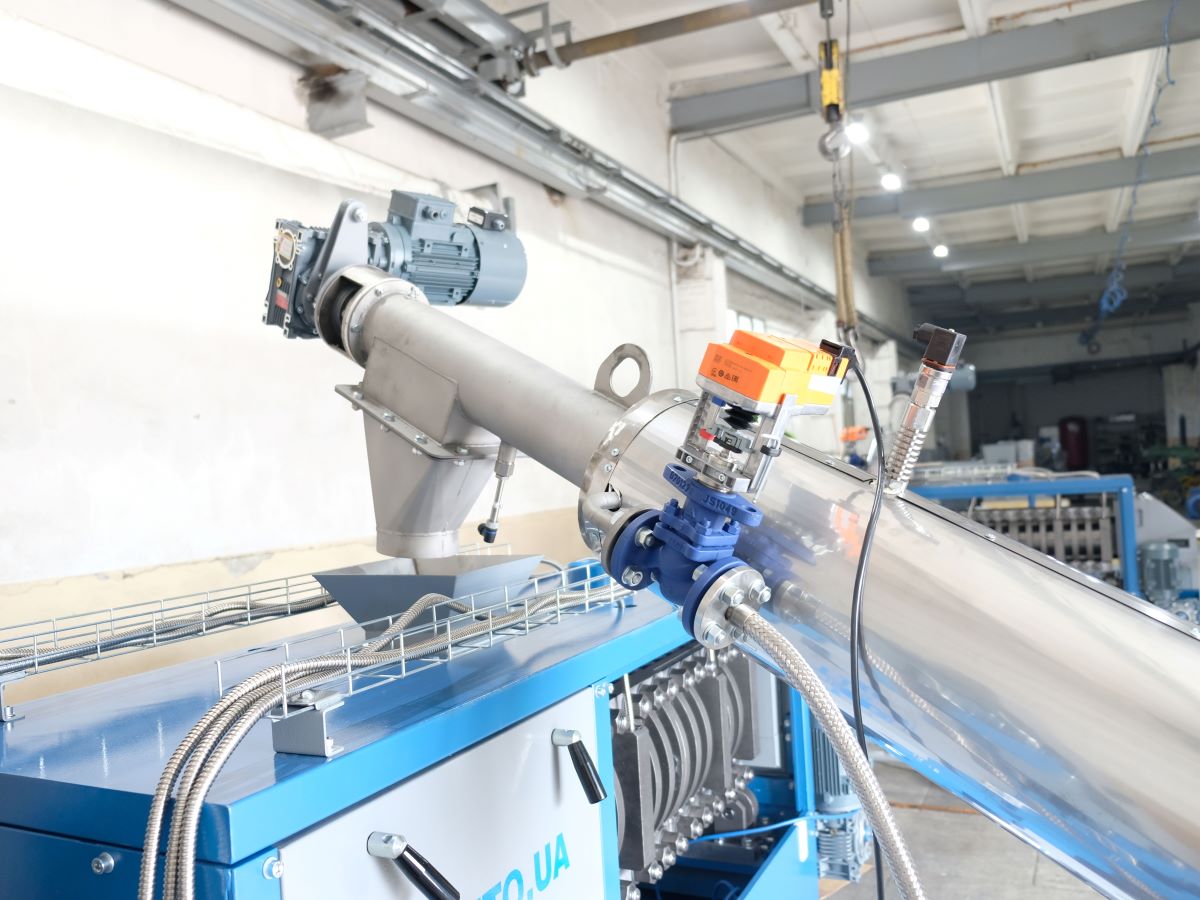


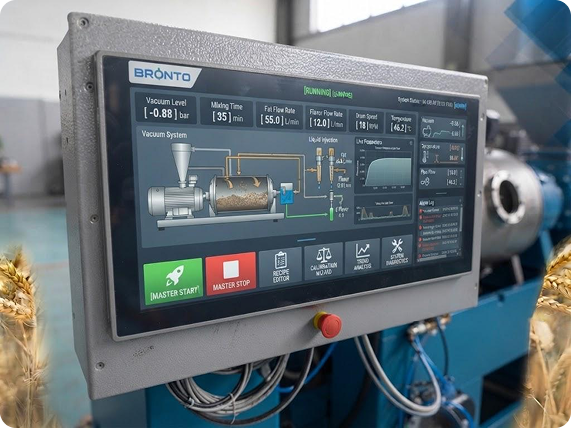
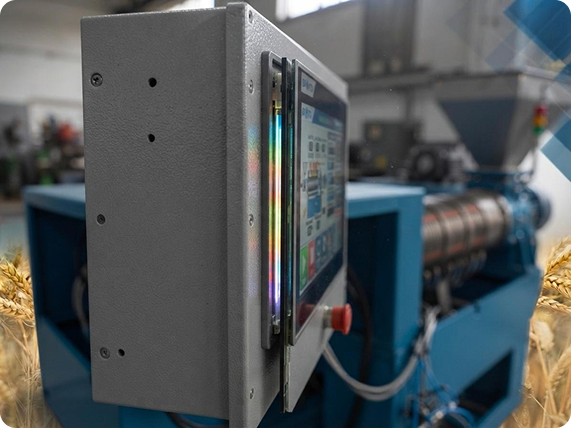
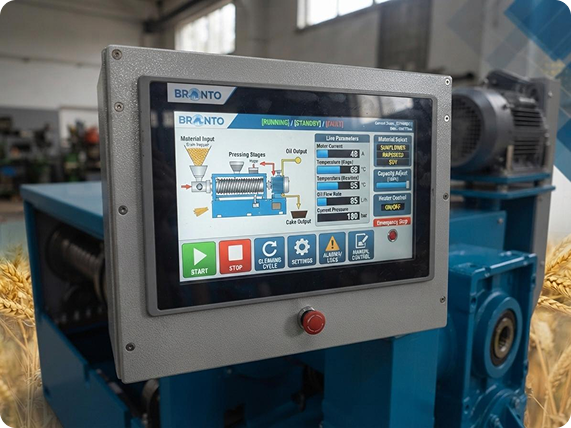
Before recommending a specific press or extruder model to a client, BRONTO’s R&D department conducts tests using actual raw material samples provided by the customer—such as sunflower, rapeseed, soybean, and other oilseeds. They evaluate moisture content, oil content, and the material’s behavior during pressing or extrusion. This enables the selection of processing parameters that ensure a predictable oil yield and meal quality, even before the production line is installed at the client’s site.
Yes. This is one of the R&D department’s key tasks: the moisture content, impurity levels, and oil content of the raw material vary significantly depending on the growing region and storage conditions. The department selects the pressing temperature and line configuration—such as a single-stage process or a two-stage setup involving pre-pressing and final pressing—to match the specific parameters of the client’s raw material, rather than offering a one-size-fits-all solution.
According to the R&D department, the primary cause is a mismatch between the design of the pressing chamber (cage) and the heating parameters for the specific type of raw material. Budget-friendly alternatives are typically designed for a narrow range of moisture and oil content; deviating from this range leads to a sharp increase in residual oil in the press cake or a drop in productivity. Testing raw materials prior to supply and providing ongoing engineering support make it possible to avoid such losses as early as the production line design stage.
The key monitored parameters are the residual oil content of the press cake (with a target of up to 8% for the OP series single-stage press), the processing temperature at each stage, and the stability of the line’s throughput during prolonged operation. These data are recorded during in-house tests and form the basis of the recommendations provided to clients during the equipment selection stage.
Practical results regarding equipment selection and modernization are detailed in BRONTO’s case studies—specifically, the upgrade of the OP-1000 press for the French manufacturer Huilerie de Chambarand and the soybean processing line for the Hungarian company KAL SYSTEM. Both projects involved support from R&D engineers during the stage of determining processing parameters tailored to the client’s specific raw materials.
 EXPERTS
EXPERTS
EXPERTS