Cake yield from 1 ton of soybeans




FINAL PRODUCT
RAW MATERIALS
TECHNICAL SPECIFICATIONS
During the processing of soybeans, part of the fats, moisture and shells are removed from the raw materials.
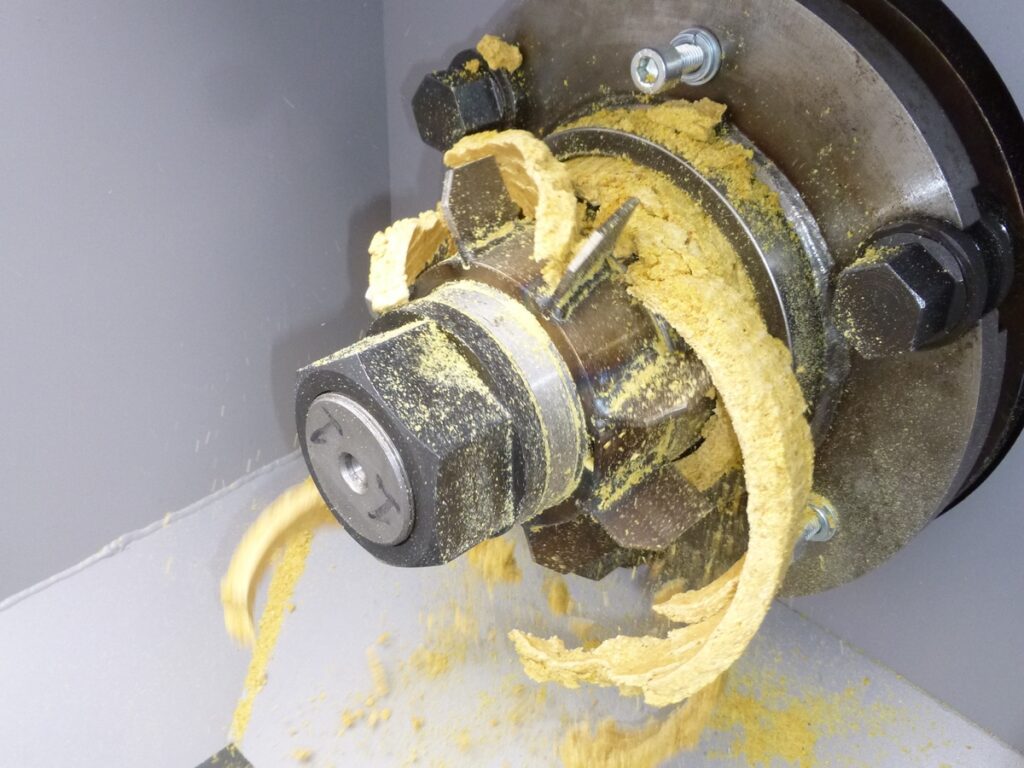
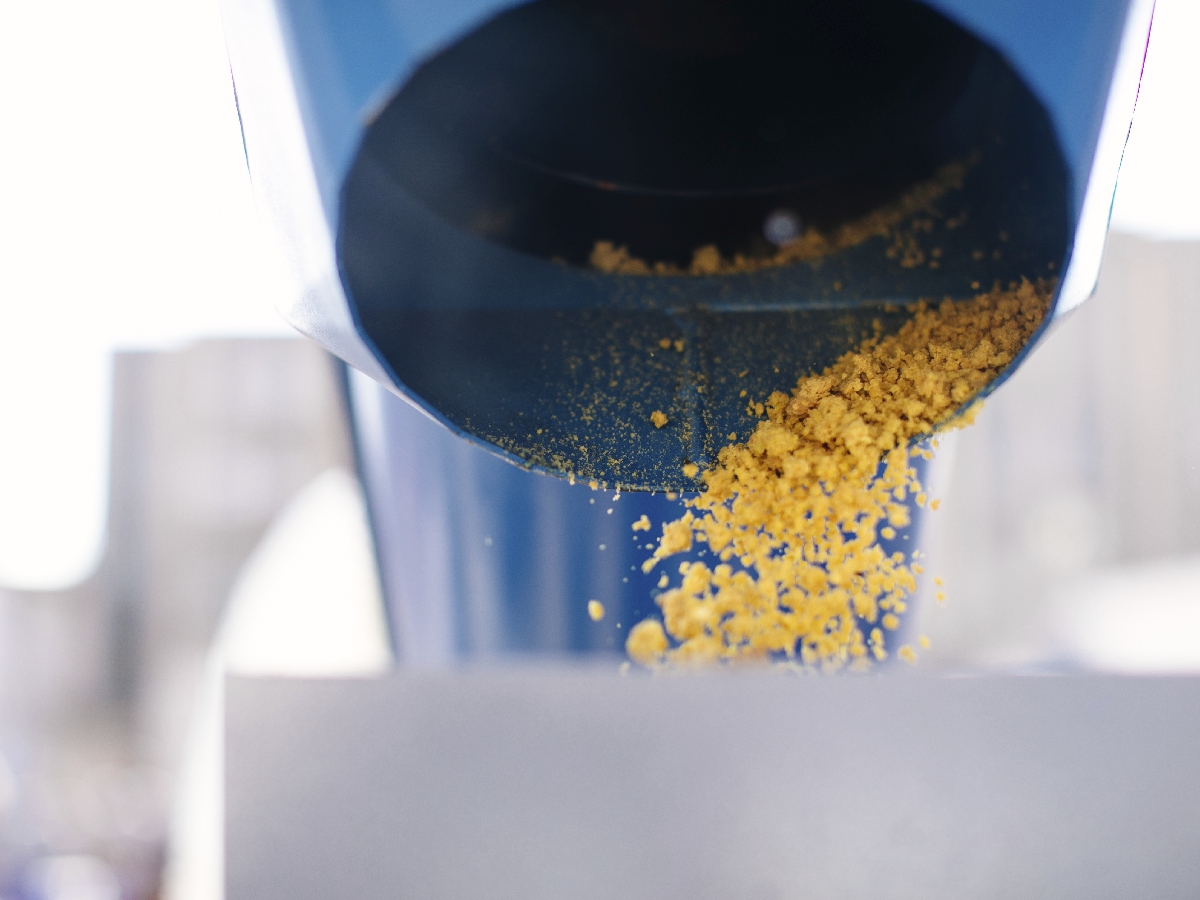
Cake: the substance remaining after the mechanical removal of these substances from the raw material.
Given the average values of these substances in soybeans, we can calculate the approximate yield of cake from 1 ton of soybeans.
In real conditions (according to statistical data), the indicators of soybeans fluctuate within:
Humidity: 8% to 12% (average 10%)
Oil content: 15% to 25% (20% average)
Casings: 3% to 9% (average 6%)
The purpose of the mechanical pressing in the oil press is the residual oil of the cake: 8%
So, oil yield: 12% (average value 20% – residual pomace oil 8%)
To calculate the yield of cake, we use the average values:
Shell yield: 6%
Moisture yield: 4%
Oil yield: 12%
If during the processing of 1 ton of soybeans, 6% of the shells, 4% of moisture and 12% of oil are removed, it is possible to approximately calculate the yield of cake.
1 ton of soy = 1000 kg of soy
1000 kg soybeans – 60 kg shells (6%) – 40 kg moisture (4%) – 120 kg oil (12%)
Remains: 780 kg of meal (78% by weight of soybeans) from one ton of soybeans.
Please note that these are guide values only and actual yield may vary depending on exact processing parameters and raw material characteristics.