Black soldier fly larvae technology

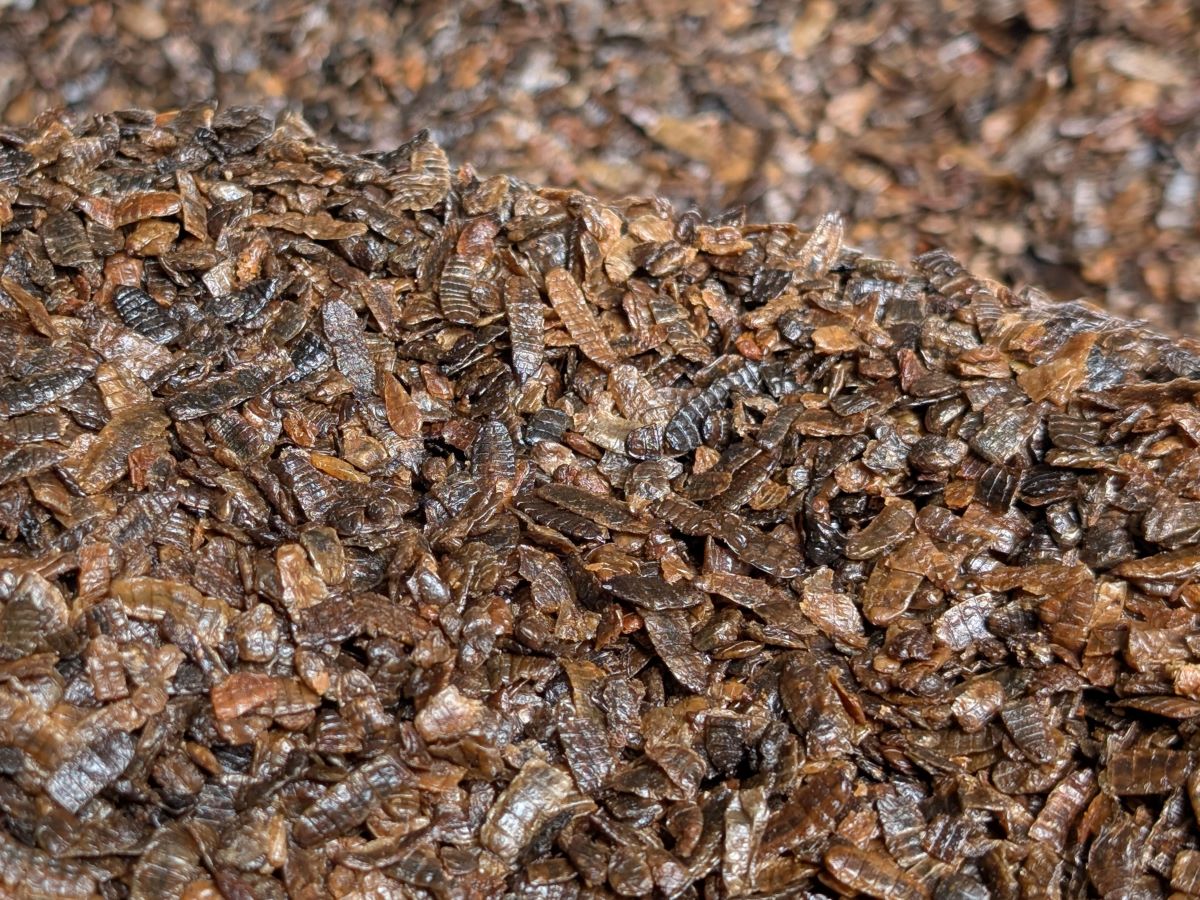


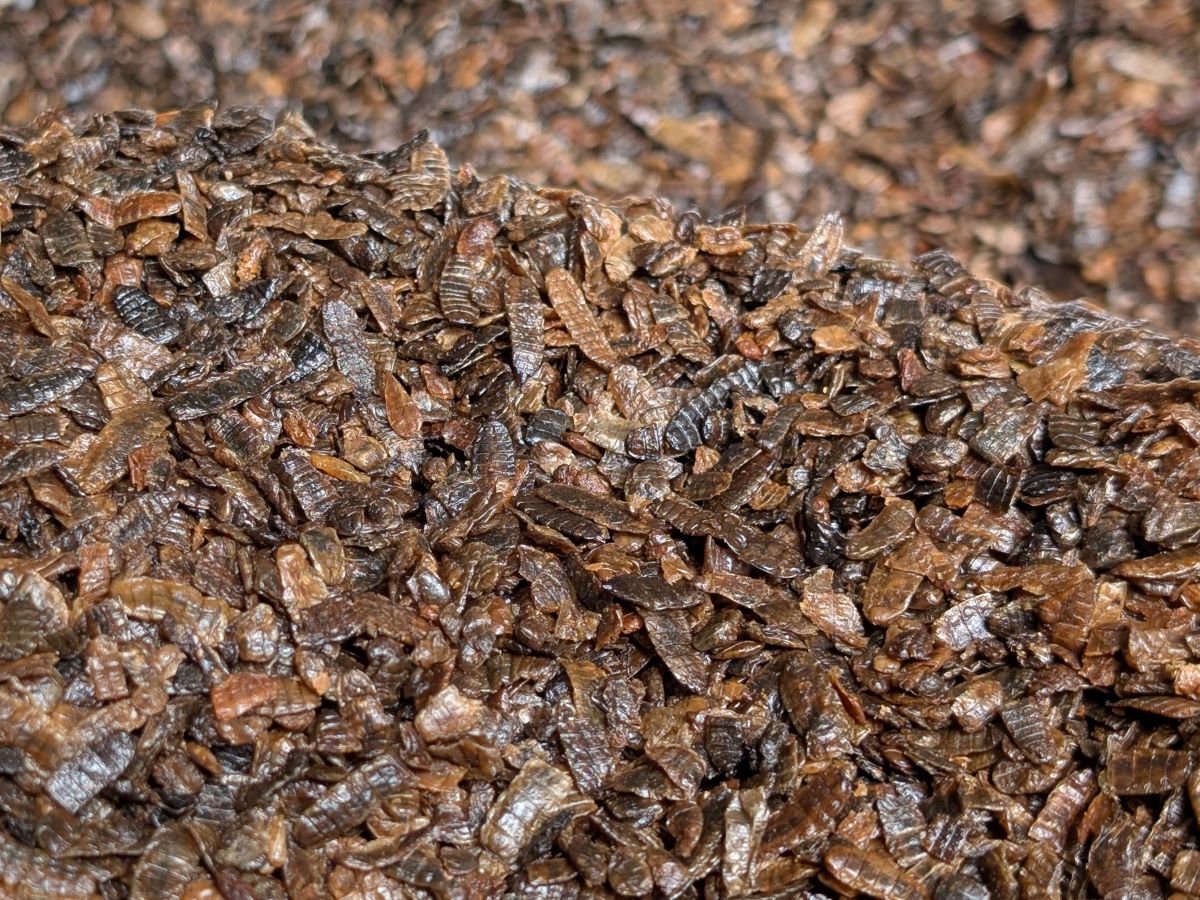

FINAL PRODUCT
RAW MATERIALS
TECHNICAL SPECIFICATIONS
The Future of Protein & Oil: How Black Soldier Fly Larvae Are Revolutionizing the Food Industry
The world’s population is rising continuously, and with it, the need for food. By 2050, the global population is expected to surpass 9.7 billion. A growing interest in fitness, wellness, and nutrition is increasing the demand for protein-rich diets, with global protein demand projected to double by 2050. While animal protein remains dominant, it faces significant sustainability challenges. Alternative proteins (plant-based, insect, microbial) could supply 10–25% of the world’s protein needs by 2035.
The Global Challenge: Soaring Demand for Protein and Oil
The demand for protein in animal and fish farming (livestock and aquaculture) is a key pressure point in the global food system. As the middle class grows in countries like China, India, and Nigeria, per capita consumption of meat, dairy, eggs, and fish is rising rapidly.
This is especially critical for aquaculture—the fastest-growing animal food sector—as it requires more high-protein feed to compensate for declining wild fish stocks (around 1/3 of which are overfished).
Demand Projections by 2030+:
- Global meat demand: +14%
- Aquaculture output: +32%
- Animal feed protein demand: +45%
At the same time, the global vegetable oil market is entering a shortage phase. Total edible oil demand is projected to increase from ~200 million tonnes in 2020 to ~300–320 million tonnes by 2030, a staggering growth of 50-60%.
The Innovative Solution: Black Soldier Fly (Hermetia illucens)

One of the most promising solutions to this dual crisis is the Black Soldier Fly Larvae (BSFL). This remarkable insect offers a sustainable, high-protein, and localizable source of critical nutrients. BSFL oil is nearly identical in composition to vegetable oils but is superior in its environmental friendliness and cost-effectiveness.
Key Advantages of Insect Protein and Fat
- Minimal Land Use: An insectarium requires a small room, whereas a coconut or palm plantation needs hectares of arable land.
- Low Water Consumption: Production requires significantly less water than is needed to irrigate conventional crops.
- Fast Production Cycle: A larva grows to its target size in about two weeks. For comparison, a coconut ripens in about 10 months.
- Low CO₂ Emissions: The production of entomological fat is environmentally friendly and leaves a minimal carbon footprint.
A Champion of the Circular Economy
Another major benefit is the ability to upcycle organic waste. BSFL can convert 50–70% of plant-based waste into valuable biomass, limiting greenhouse gas emissions from landfills. According to EU Parliament Directive 2008/98, insects are a key solution for transforming waste into high-quality feed materials.
Superior Extraction: The BRONTO Cold Pressing Technology

To obtain high-quality oil and protein concentrate, BSFL oil can be extracted using various methods. Mechanical pressing is the most circular-economy-friendly and profitable technique, as it simultaneously yields high-quality oil and a protein-rich press cake.
While common hot pressing (70-130°C) is technically simpler, the high temperature oxidizes the oil and reduces protein quality.
Low-temperature mechanical pressing (<70°C) is the superior method. It helps retain sensitive nutrients and bioactive compounds:
- Lauric Acid Stability: This medium-chain fatty acid, known for its antimicrobial properties, is better preserved.
- Improved Oil Quality: It maintains the integrity of healthy unsaturated fats and results in lower free fatty acids (FFA), improving shelf life.
- Higher Protein Value: Cold pressing keeps the protein structure more intact, improving its digestibility and nutritional value.
BRONTO has developed a new system for producing the highest quality insect protein and fat using our upgraded OP-500HF press, which is optimized for both high and low-temperature performance.
For optimal results, dried BSFL are pressed on the BRONTO OP-500HF press at a larvae temperature of 55-58°C, achieving a productivity of 200 kg/h. The press is equipped with advanced heating and cooling systems to maintain the ideal temperature and prevent oil degradation. After cold pressing, a cake with a residual crude fat of 9-10% is obtained.
[cf7form cf7key=”zamoviti-dostavku-2020_copy”]
Benefits of Low-Temperature Pressed BSFL Oil
BSFL oil is a valuable and sustainable substitute for traditional fats like fish oil and soybean oil in poultry, swine, and aquaculture diets. Its high concentration of lauric acid improves gut health and strengthens animal immune systems, potentially reducing the need for antibiotics.

Beyond animal feed, BSFL oil is in demand in the cosmetics industry as a powerful alternative to coconut, avocado, and shea oils. Its fatty acid profile helps moisturize, heal, and restore the skin’s lipid barrier, retaining moisture and reducing irritation.
Benefits of Low-Temperature Pressed BSFL Cake

The cake remaining after oil pressing is a powerhouse of nutrition, rich in protein (over 30-60%) and essential amino acids like lysine and methionine. It also contains beneficial antimicrobial peptides and chitin, which support gut health and immunity.
The protein in BSFL meal is highly digestible, promoting optimal growth and productivity. It is an excellent replacement for fish meal in feeds for poultry and fish like rainbow trout, channel catfish, and blue tilapia.
Conclusion: A Sustainable Future is Here
The future for Black Soldier Fly larvae oil and protein is incredibly bright. Its unique combination of nutritional value, functional properties, and environmental sustainability positions it as a key player in the global transition towards a more circular and bio-based economy.