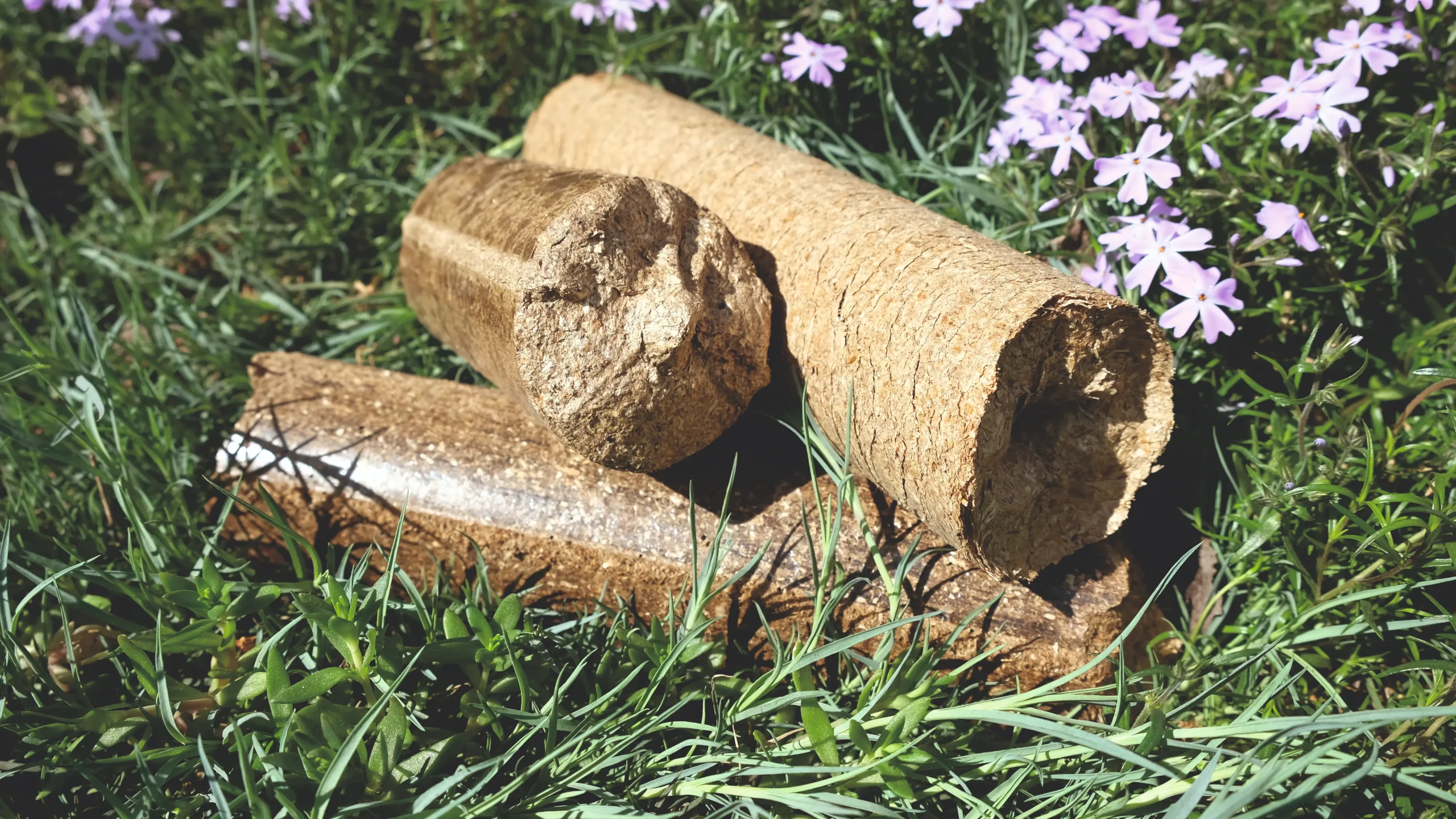
Nestro production lines
make biobriquettes from plant raw materials
PROCESSING PRODUCTS

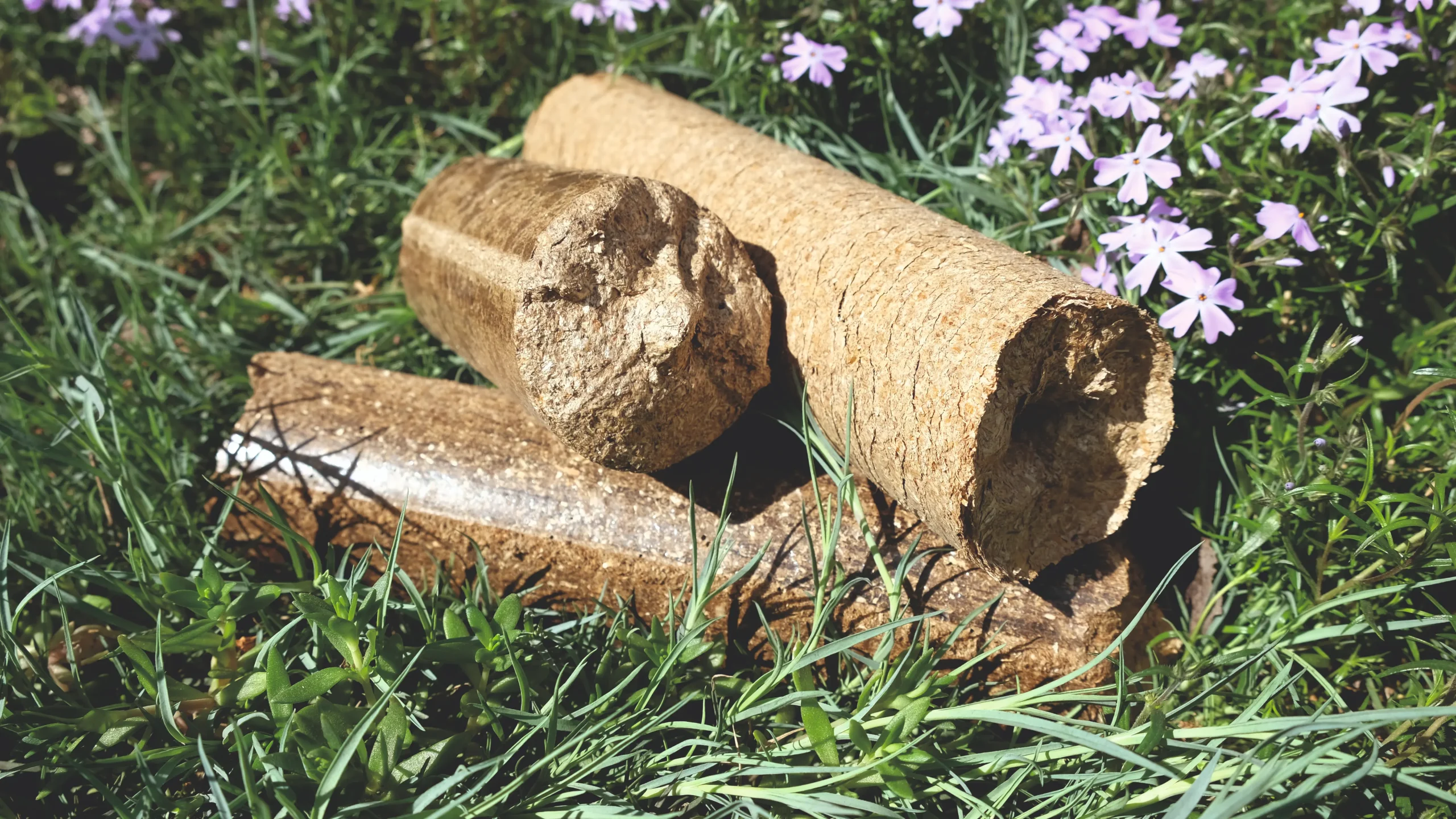
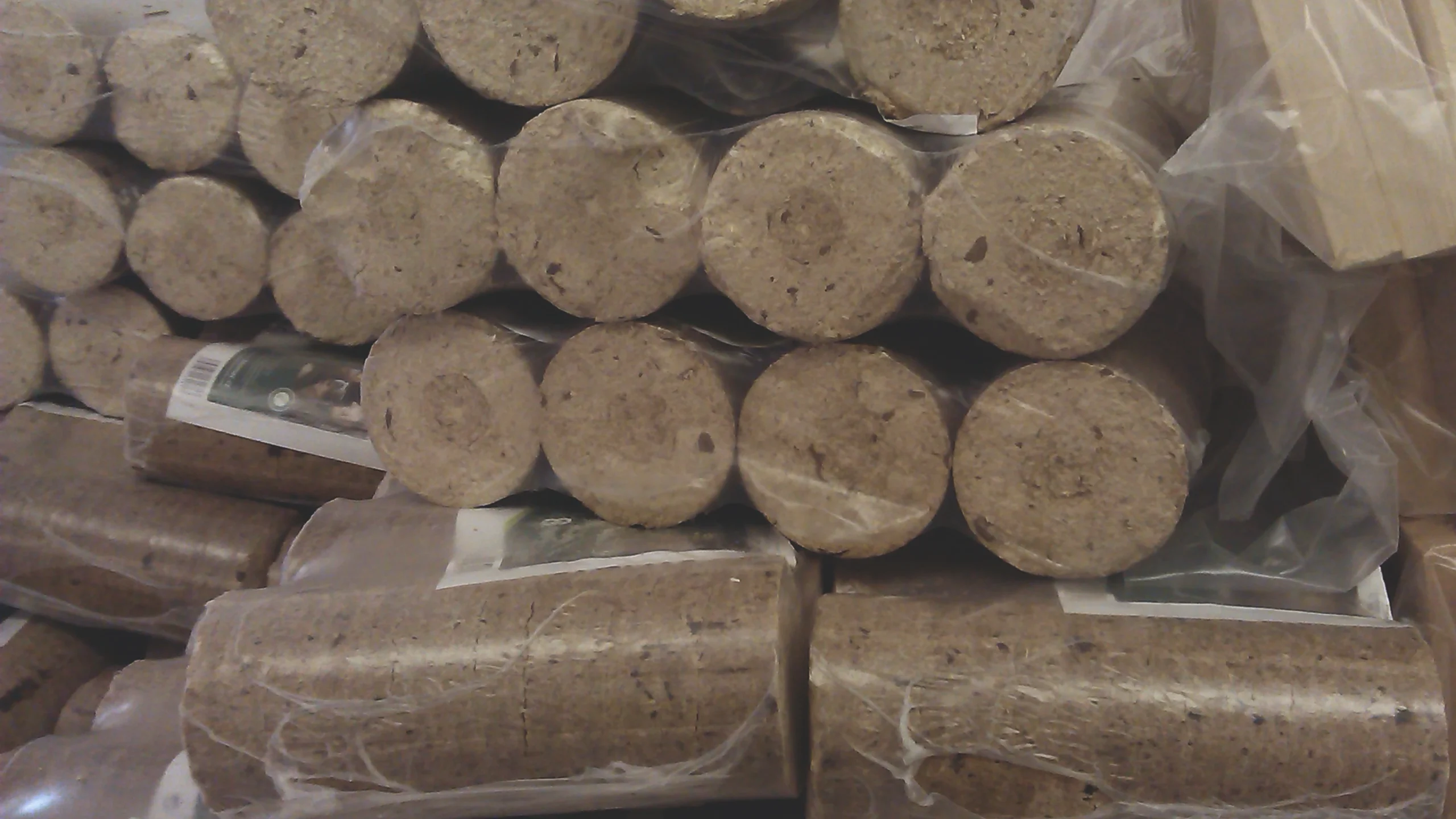
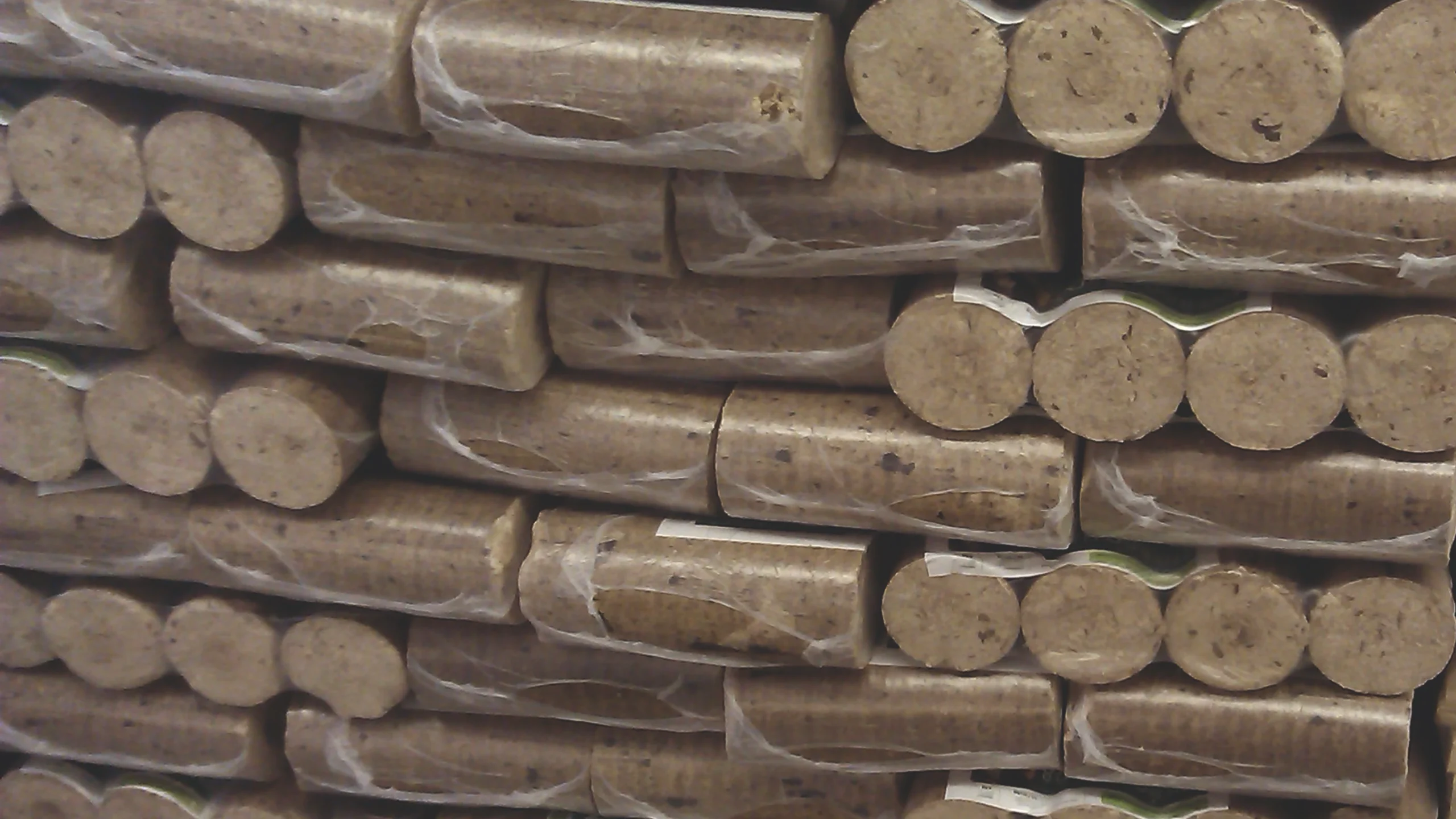
Nestro briquettes
up to
14 t/d
without adding adhesives
TECHNICAL SUPPORT ALL OVER THE WORLD
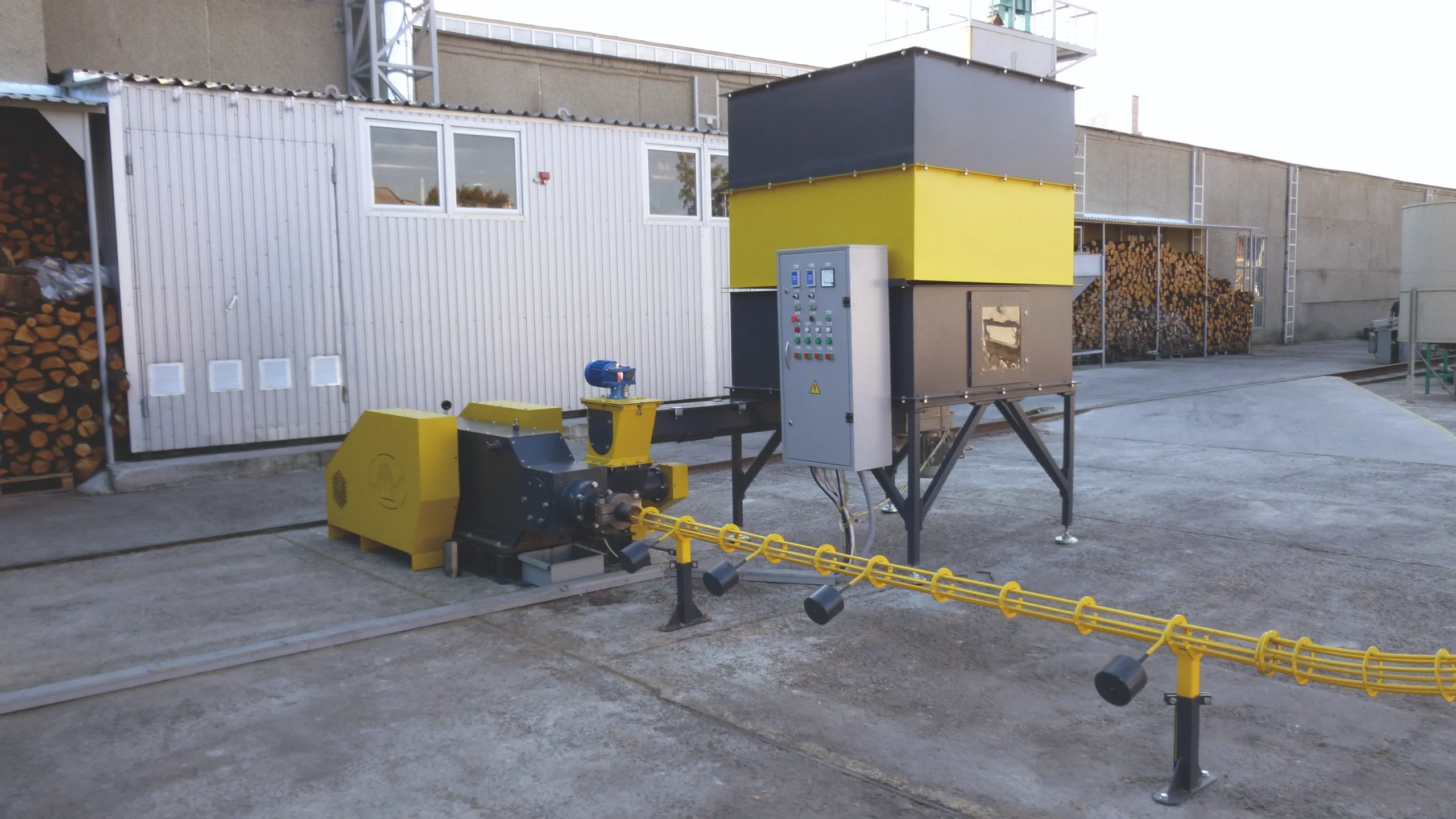
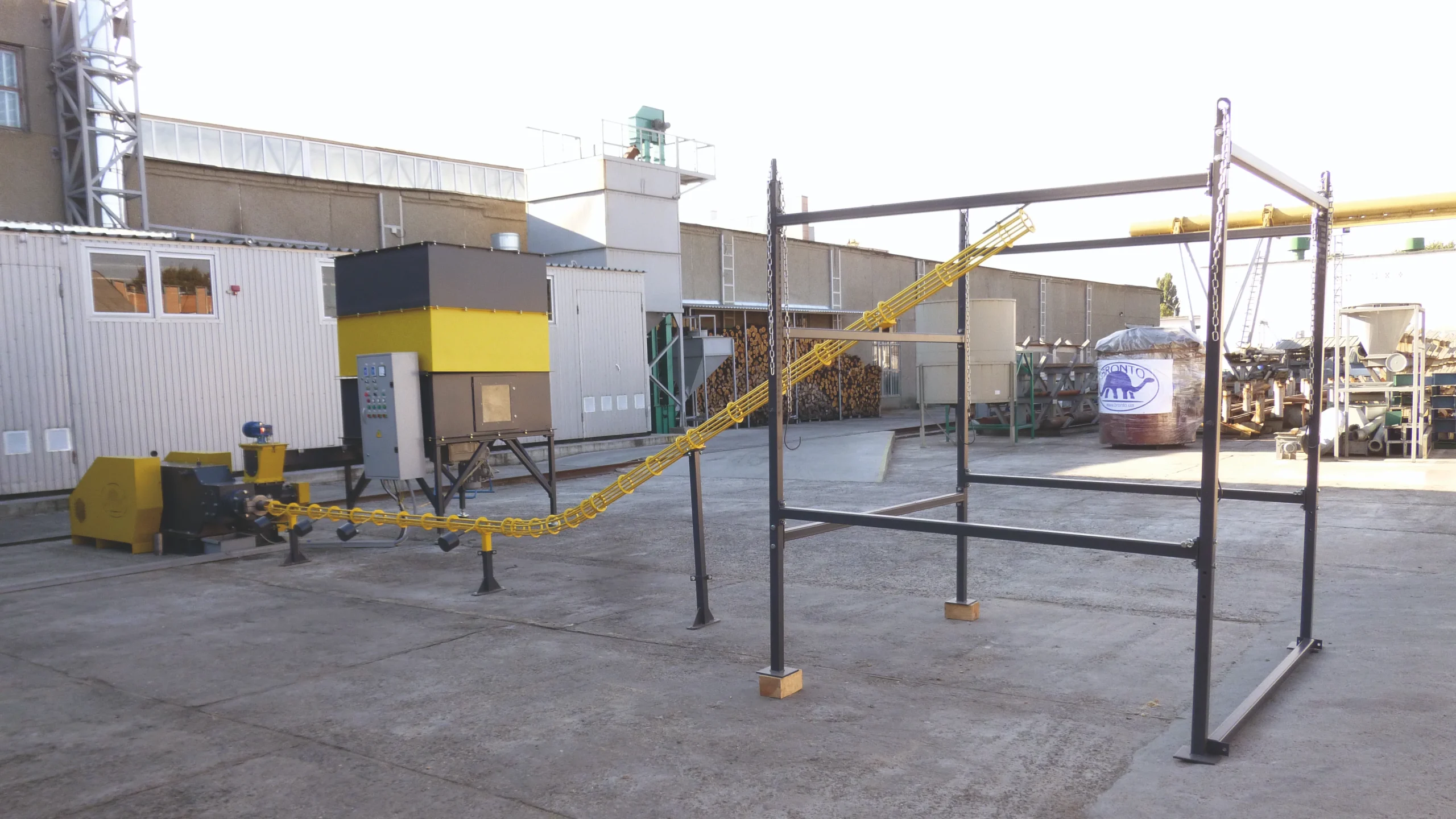
We manufacture equipment that can be easily integrated into a complete Nestro briquette production line, adapted to the specific needs of our customers.
Processing stages:
- grinding wood or chips to the size of sawdust;
- sorting sawdust by size;
- drying sawdust to 8-15%;
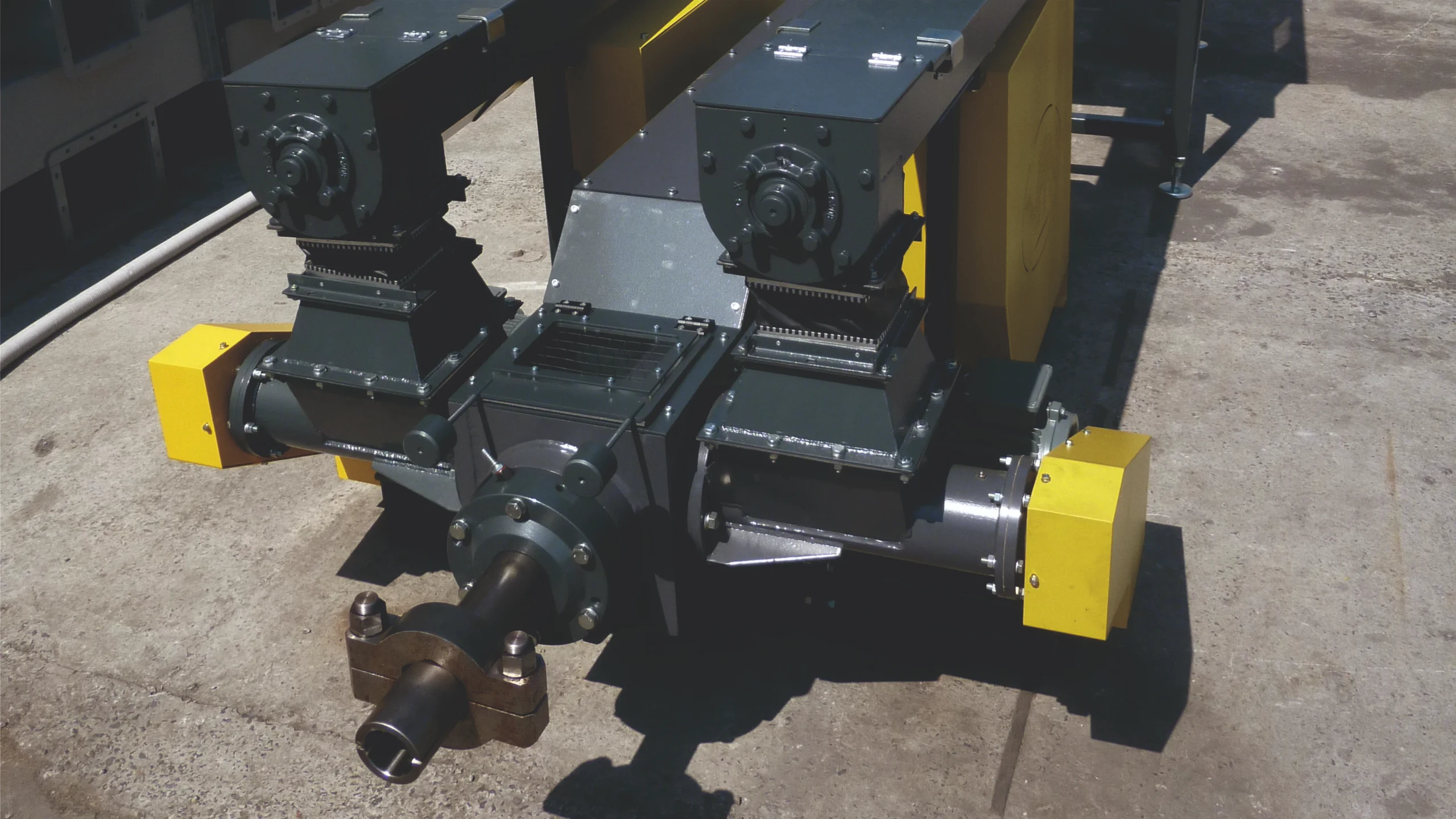
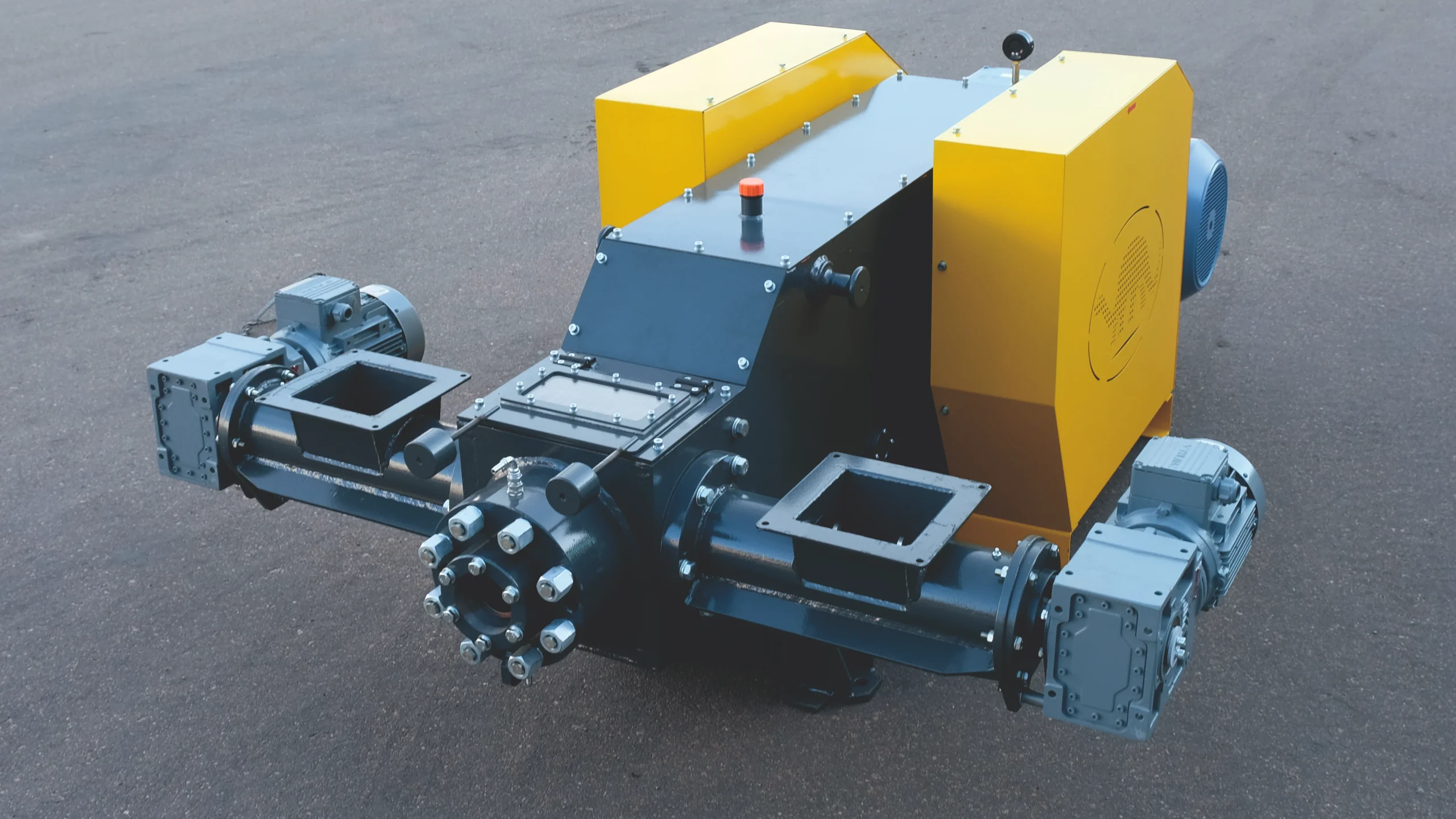
- pressing sawdust into briquettes in an impact-mechanical press;
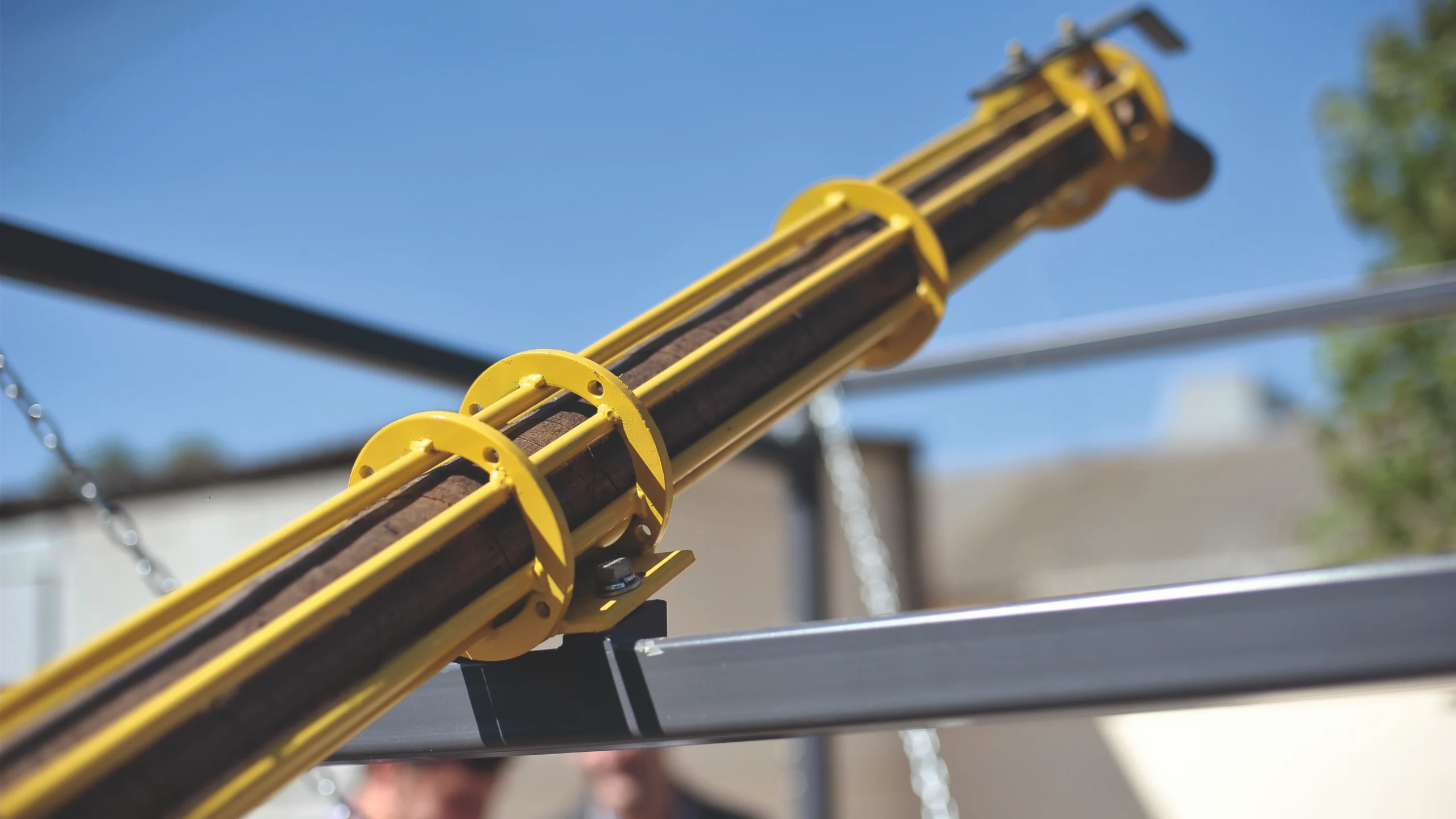
- cooling briquettes;
- packing briquettes into bundles.
What do we want to say about the making of Nestro?
Purpose
for the production of environmentally friendly solid fuel with high heat output: fuel briquettes (Nestro standard)
Advantages
- fuel with a calorific value of 4400-4700 kcal/kg is produced (at the level of coal);
- briquetting is carried out without adding adhesives;
- industrial waste from wood processing and the production of edible and technical oils is utilized;
- an ecological energy carrier from renewable sources is created.
Raw materials
sawdust, sawdust, sunflower husks, waste from the cleaning separator
Raw material requirements
For the successful and productive production of these fuel briquettes, the press must receive sawdust:
- with a fraction of 2-15 mm;
- dried to 8-15%;
- with a mineral impurity content of up to 3%.
It should not be stored for more than 2 years before use, be subjected to heat treatment at a temperature of more than 70°C, or come into contact with toxic substances.
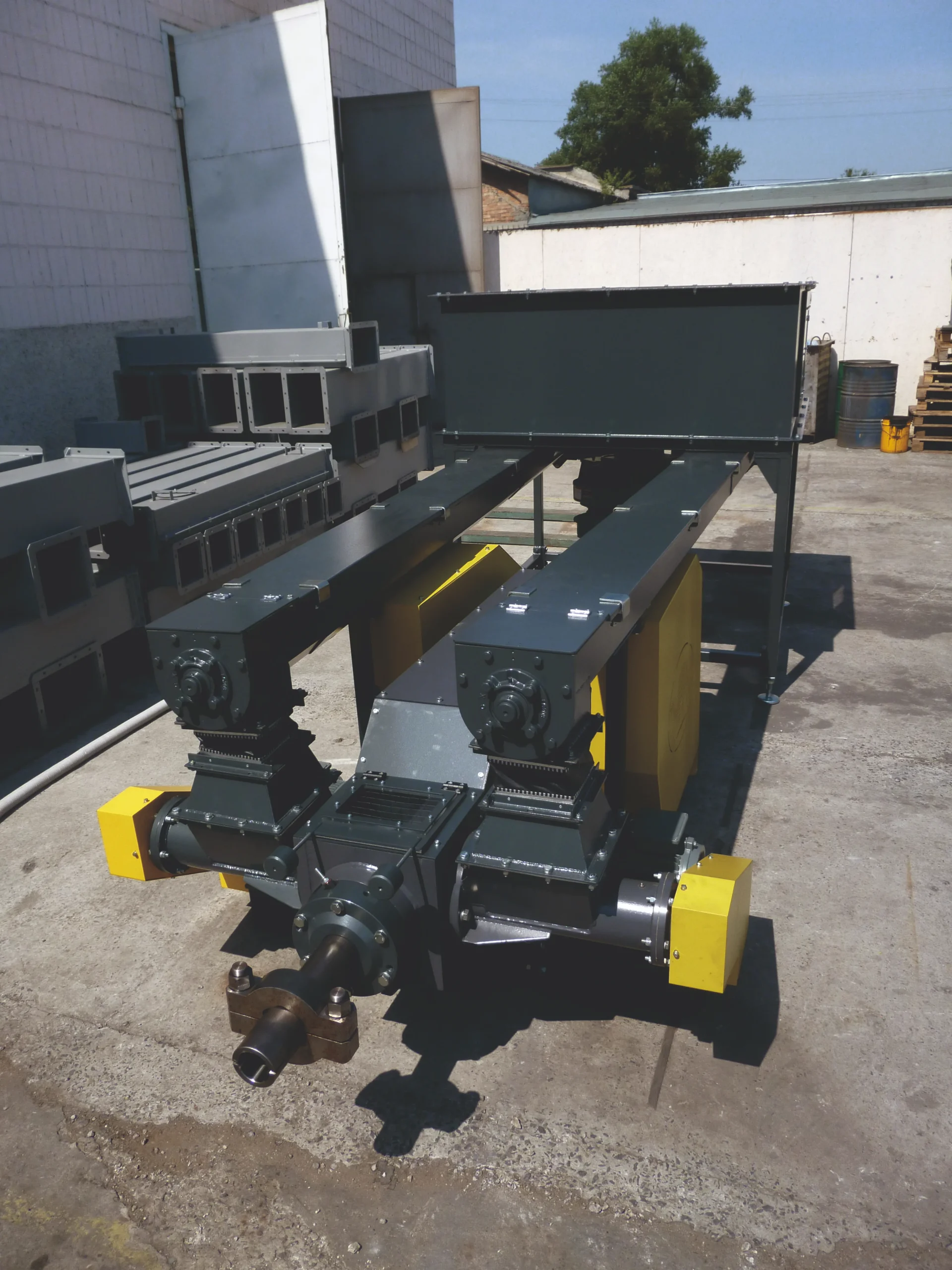
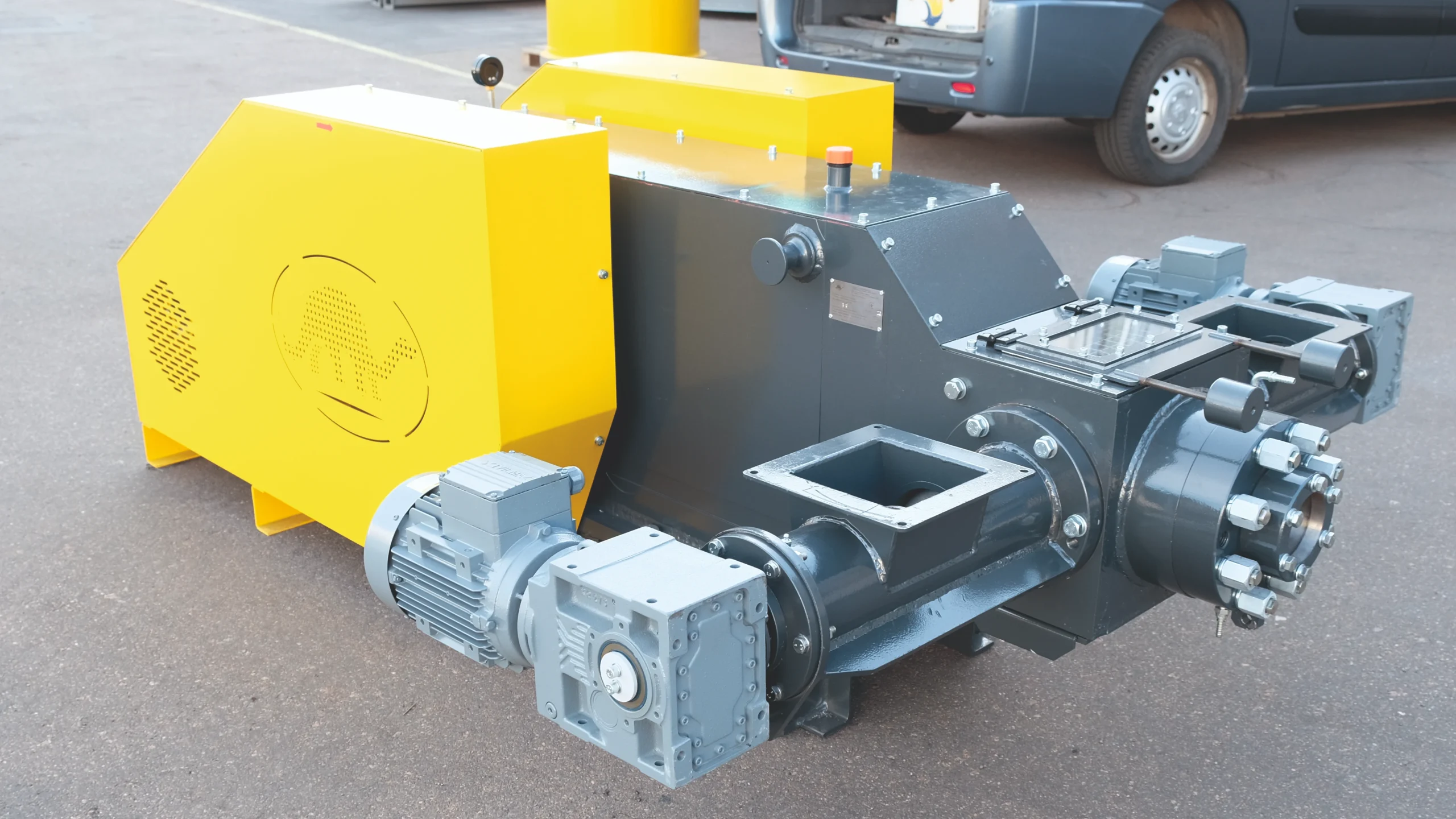
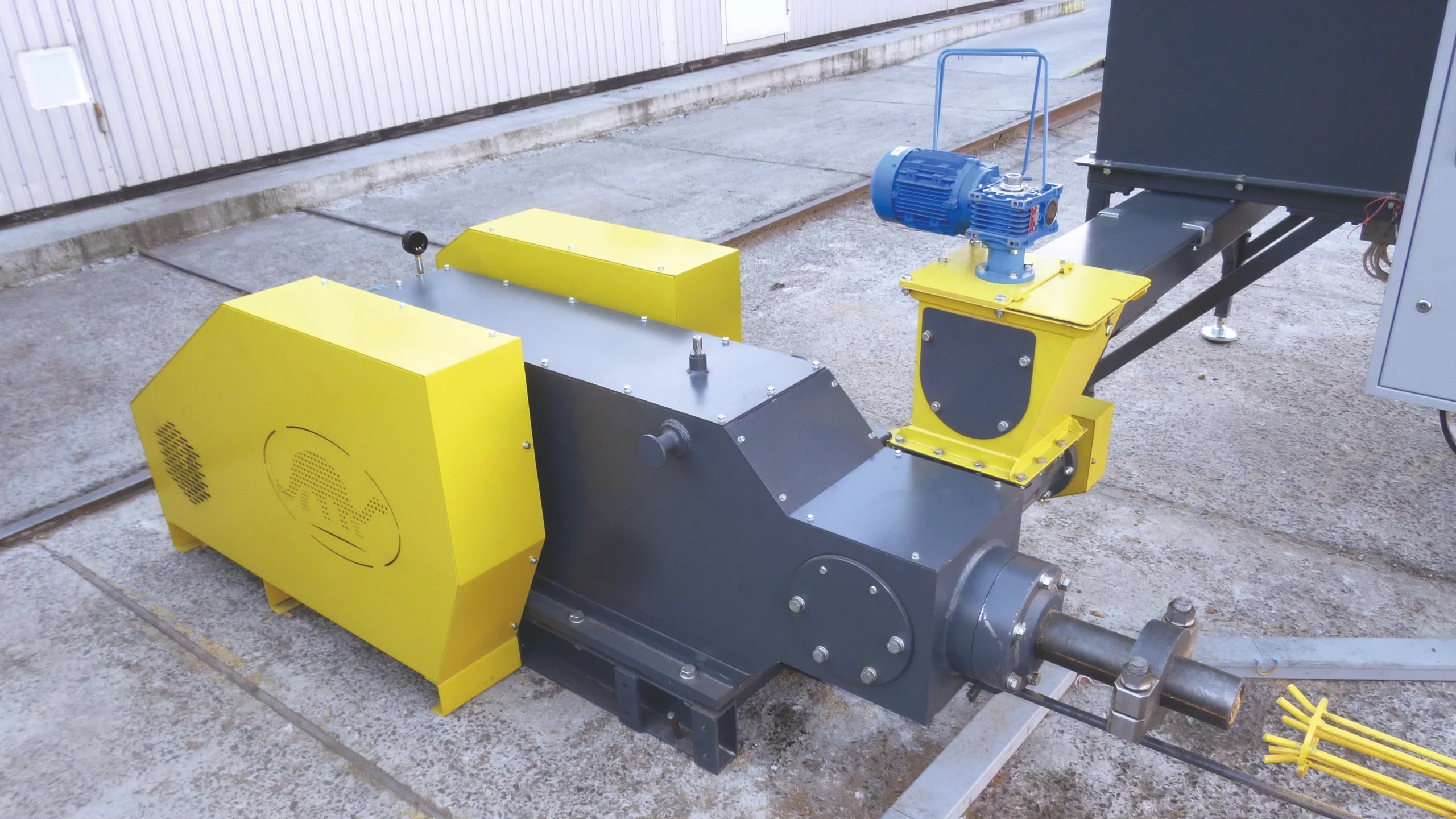
Dried to 8-15%, the raw material from the loading hopper is fed by a screw feeder into the underpress, in which the raw material is pre-compacted.
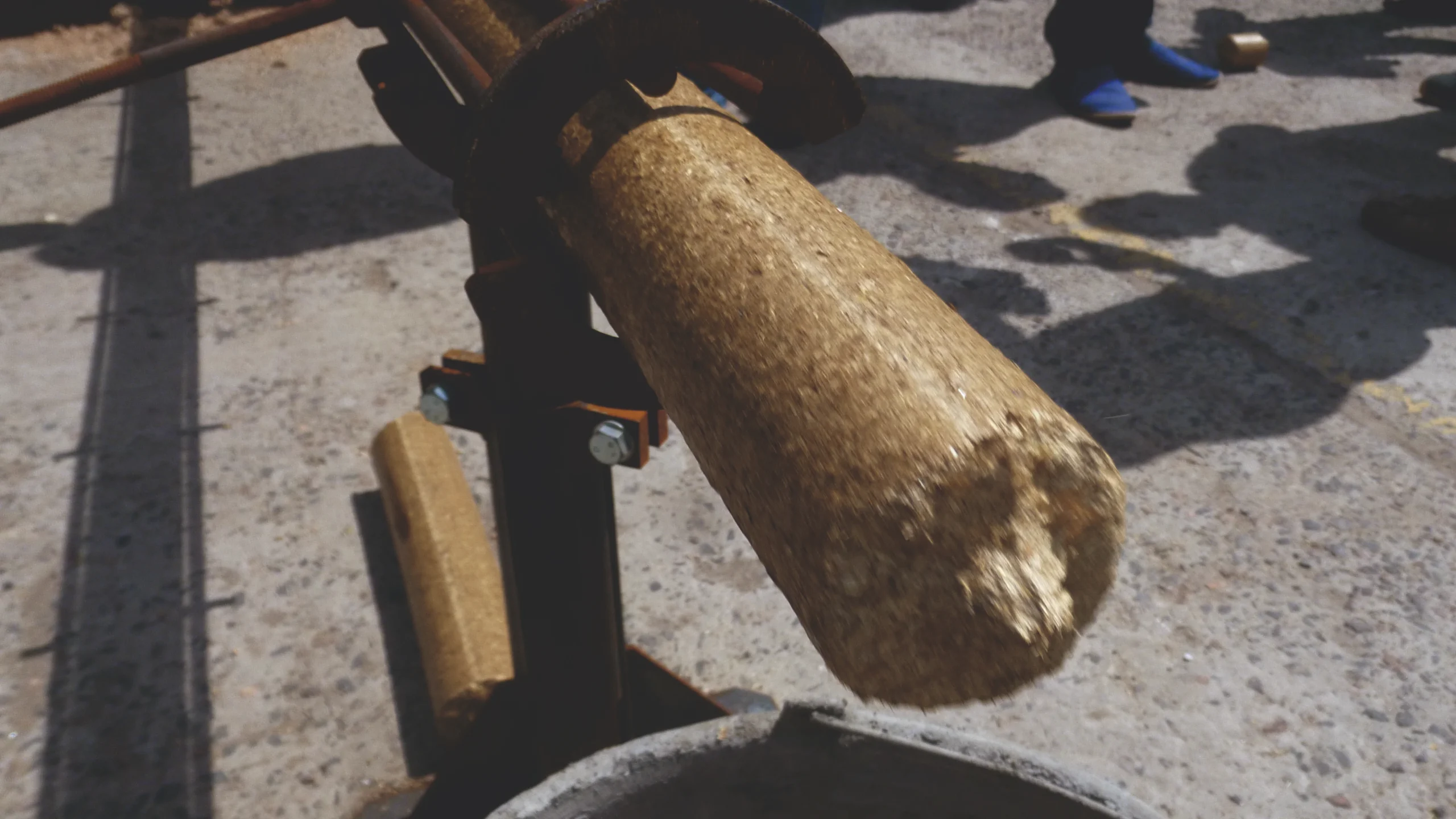
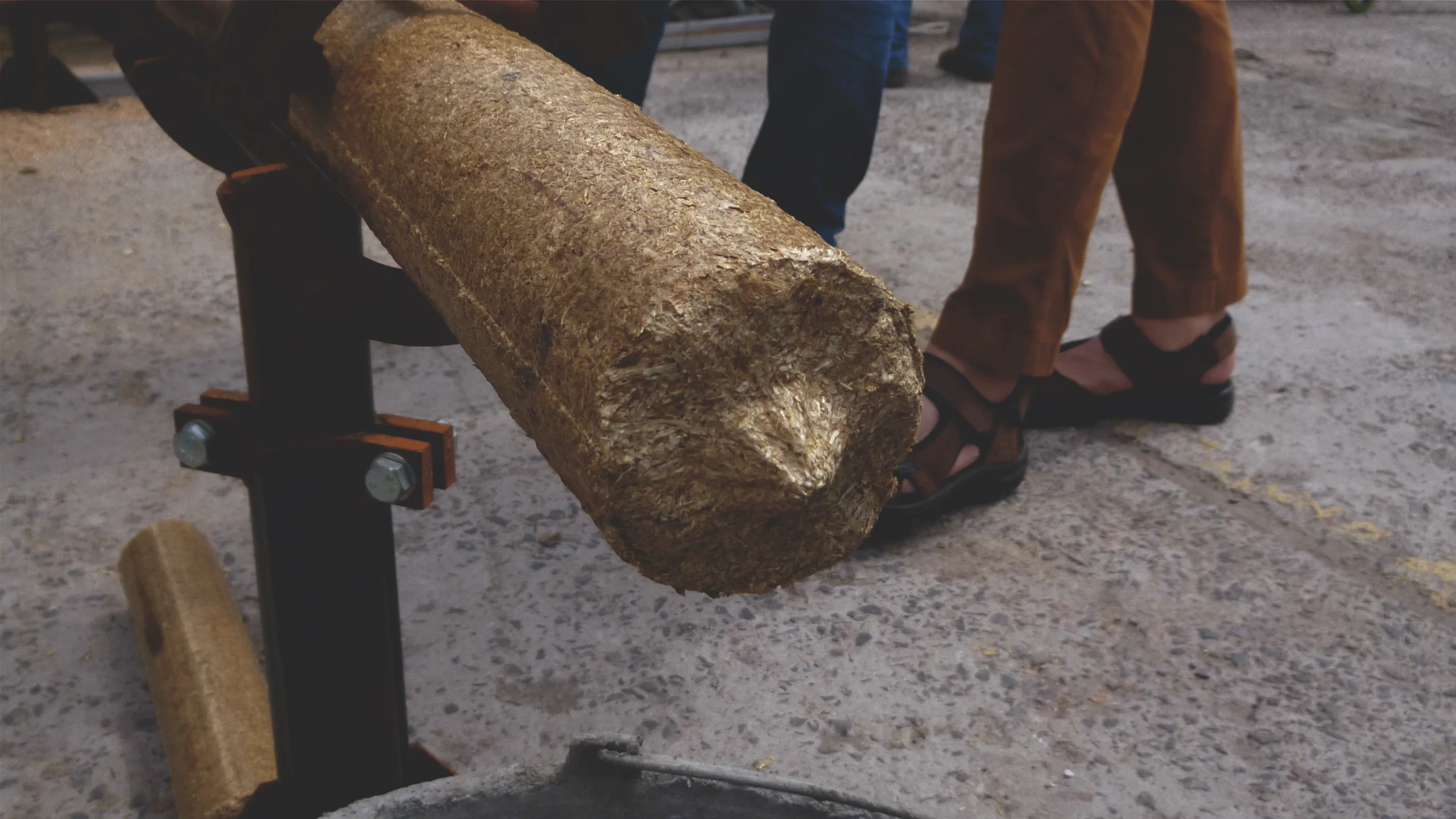
From the underpress, the raw material is fed into the forming matrix, in which the product is taken and compacted using a punch, and then a briquette with a diameter of 70 mm is formed.
From the forming matrix, the briquette is fed through the cooling chute into the dividing device.
LAYOUT SOLUTIONS
Our equipment meets your space
ENVISION & PREDICT
Making a layout ahead of time helps you picture the project. It also gives you a clear idea of what is needed for construction, where equipment will go, how much energy will be used, and how materials will move through the facility.
It helps answer these questions:
- if your premises, territory, access roads and power substation are suitable for the implementation of the project;
- what is the project budget.
LAYOUT SOLUTION - WHAT IS IT?
Includes:
- our specialist’s visit to your site;
- measuring the premises;
- coordinating your vision, capabilities and resources;
- making a draft of the technological line – for the conditions of your site;
- preparing a specification of the necessary equipment – for your conditions.
CONTACT OUR
 EXPERTS
TECHNICAL SUPPORT
We ensure this
Новини Bronto
Go to blog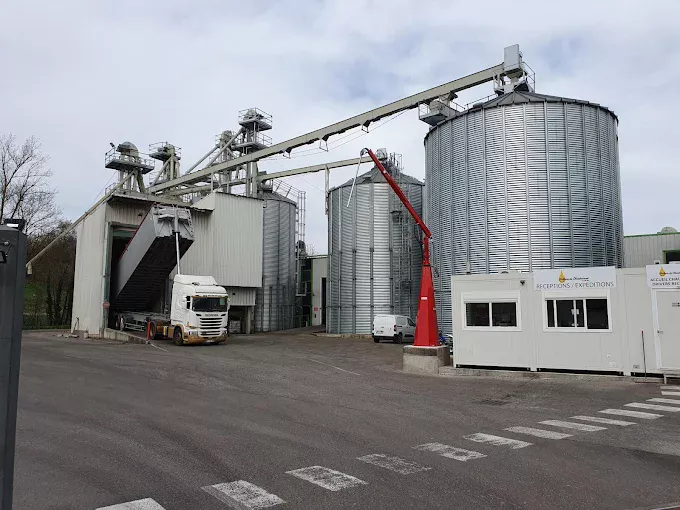
An automated soya oil production facility in France
how BRONTO helped Huilerie de Chambarand take its technology to the next level
Commissioning of a new development
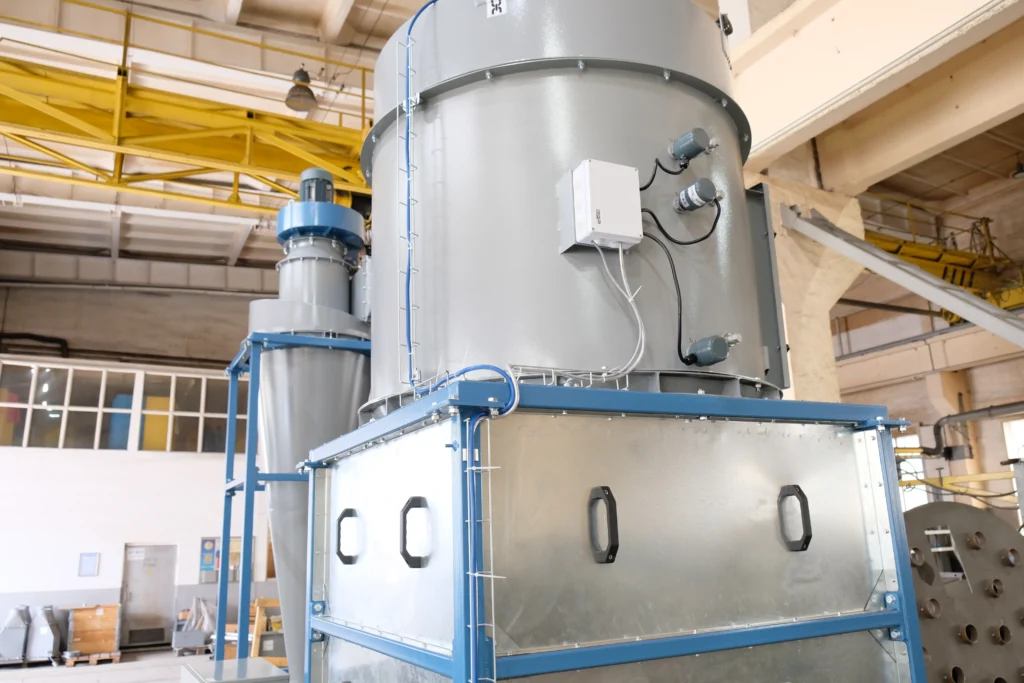
Our new product, the CH cooler, has been launched.
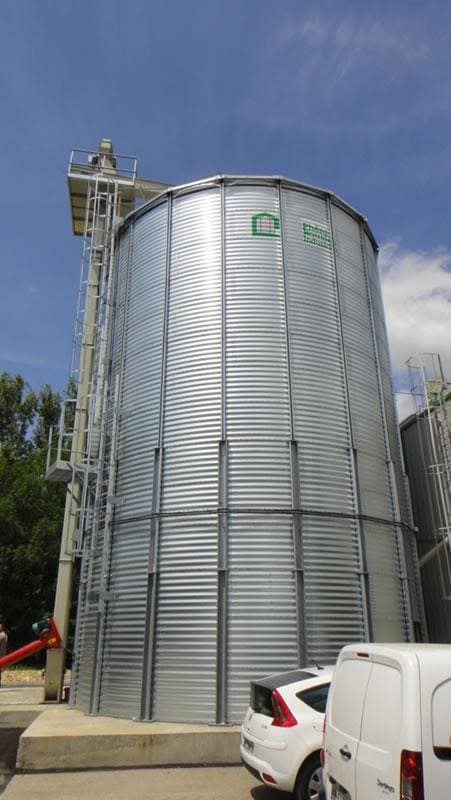
Case study: How a KAL SYSTEM dealer established market leadership in the soya processing sector in Hungary
Sector: agricultural processing, grain storage and animal feed equipment Market: Hungary Partner: KAL SYSTEM (dealer for Cherkasyelevatormash equipment).
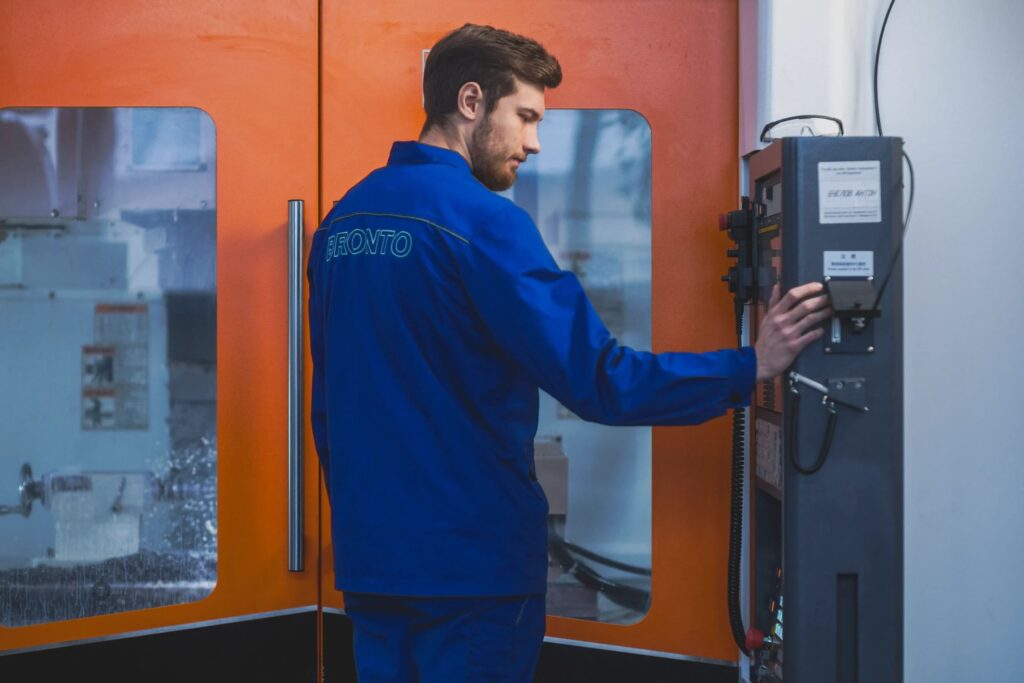
BRONTO’s Technological Leap: A New Generation of Equipment for the Manufacture of Spare Parts
A major upgrade of equipment has taken place at the BRONTO factory’s production facilities. We have taken another step towards excellence by replacing outdated, older-generation German-made machine tools with an automated CNC system from South Korea and the latest software.