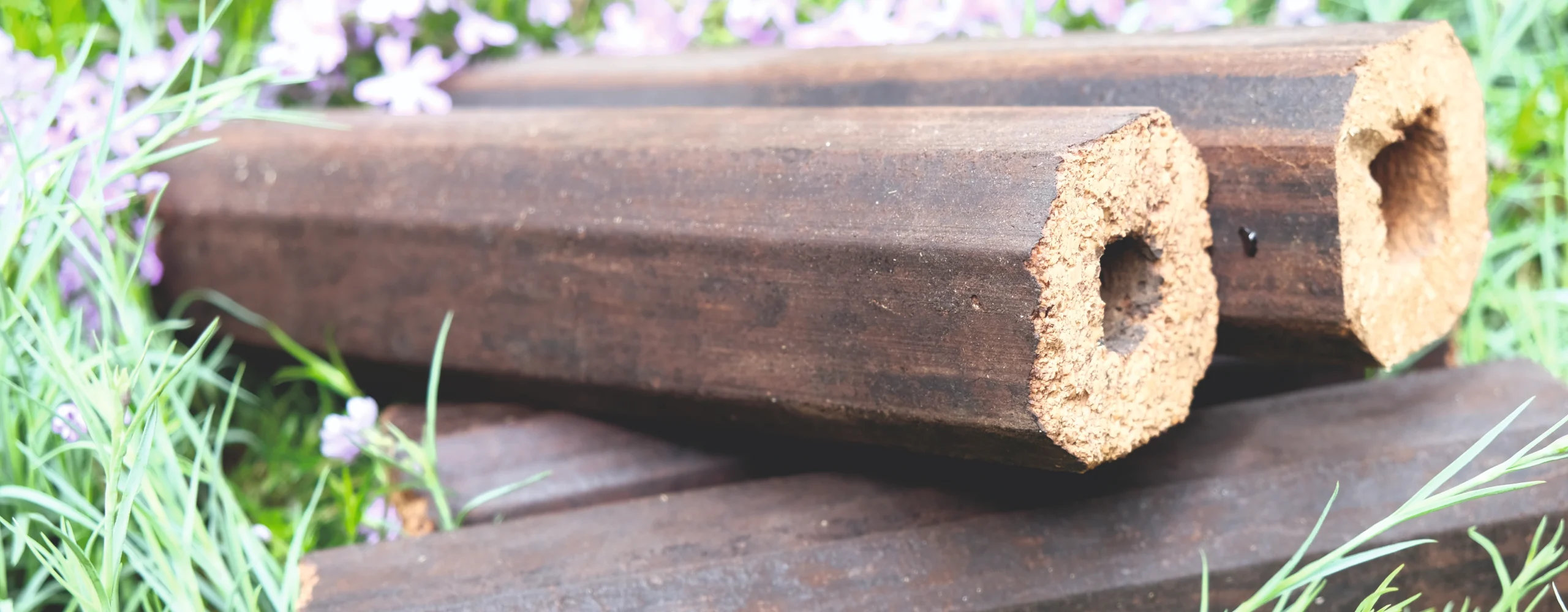
Equipment production and assembly

up to
8,5 t/d
without adding adhesives
We manufacture equipment that can be easily integrated into a complete Pini kay briquette production line, adapted to the specific needs of our customers.
Processing stages:
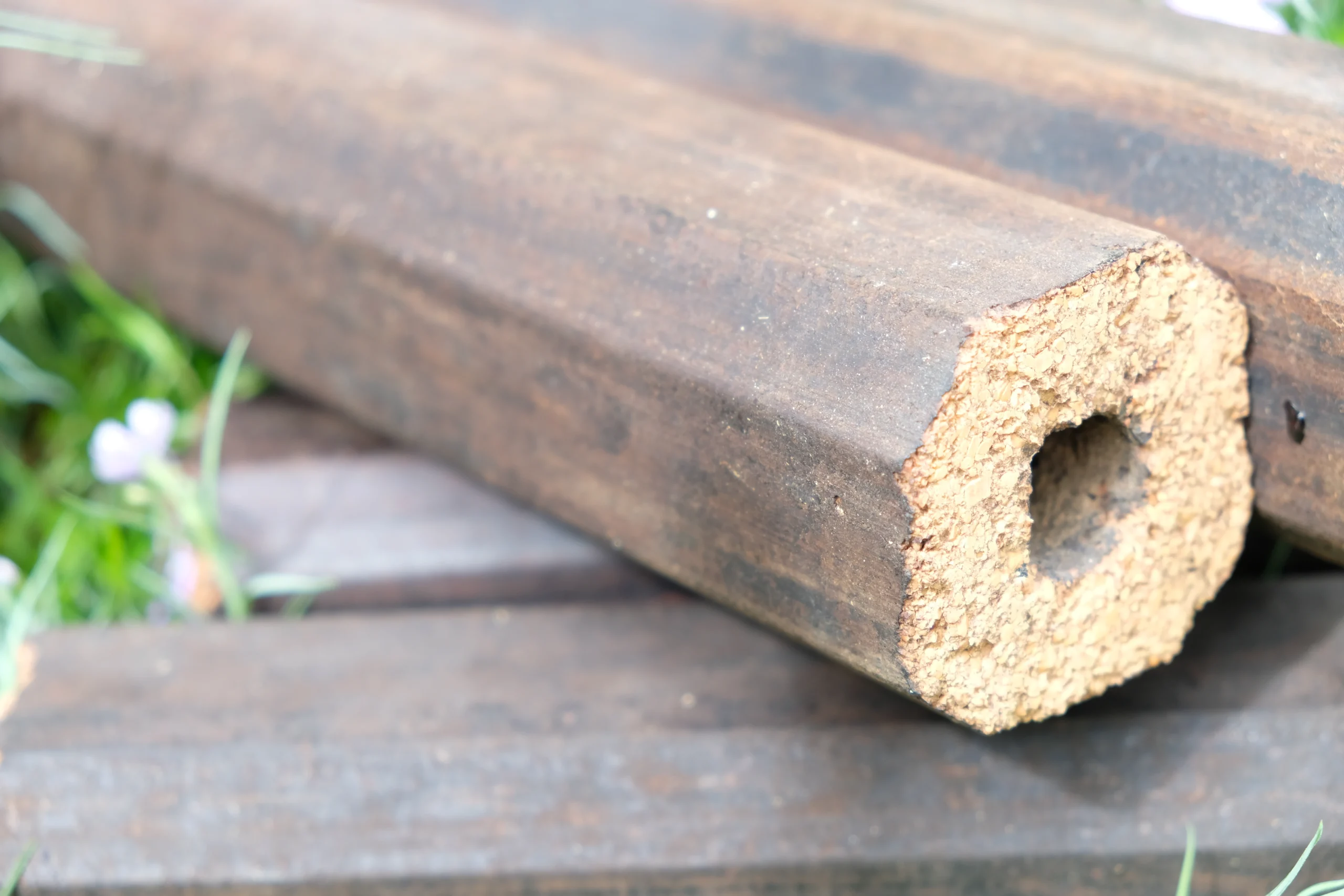


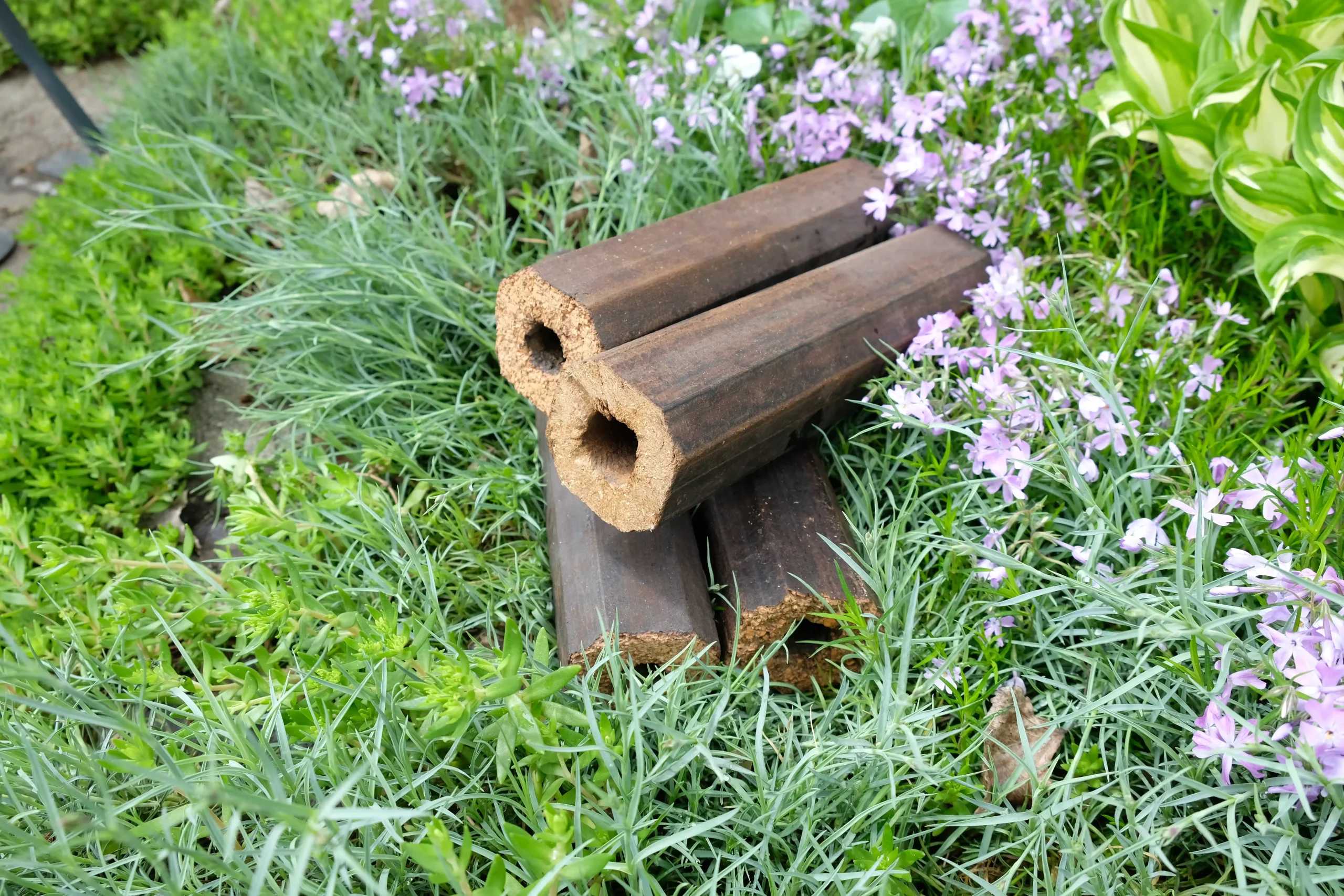


For the production of such briquettes, it is important to control the quality of the raw materials and the path of the raw materials to production.
There are no standards for incoming raw materials for Pini kay, so it will be important for you to know:
For the successful and productive production of these fuel briquettes, the press must receive sawdust:
It should not be stored for more than 2 years before use, be subjected to heat treatment at a temperature of more than 70°C, or come into contact with toxic substances.
If these conditions are met, our equipment will ensure the production of Pini kay briquettes:
The calorific value of briquettes depends on the raw material. From hardwoods – it will be higher, and from coniferous – lower.
In general, the calorific value of briquettes will be – 4200 – 4900 kCal/kg.
Our equipment meets your space
Making a layout ahead of time helps you picture the project. It also gives you a clear idea of what is needed for construction, where equipment will go, how much energy will be used, and how materials will move through the facility.
It helps answer these questions:
Includes:
 EXPERTS
We ensure this
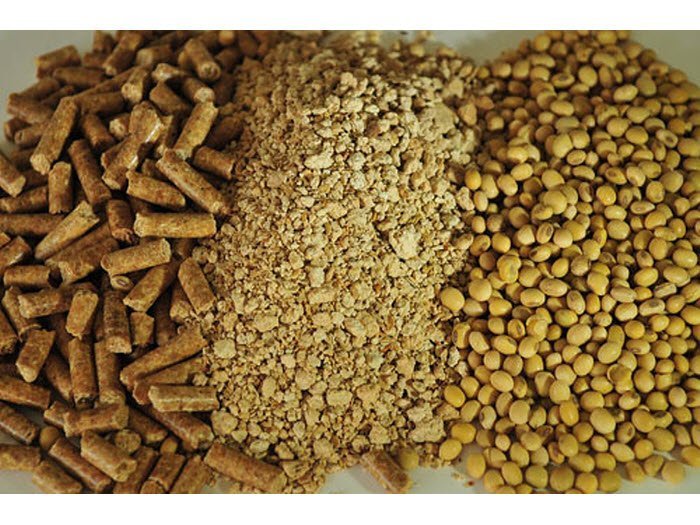
One of the key limiting factors in improving compound feed quality is the deficit of protein raw materials, a replenishable source of which is the grain of leguminous crops. Legumes (lupines, vetches, field beans, field peas, soybeans, chickpeas) contain 25% to 40% protein, 37–45% starch, 1.5–4.5% fat, vitamins, and micronutrients. The proteins of leguminous crops are characterized by good solubility: water- and salt-soluble fractions account for 70% to 90% of the protein. The amino acid profile includes all essential amino acids, with methionine + cystine being the limiting amino acid. Seeds of vetch and field beans have lysine as their second limiting amino acid.
The market for pet food (dogs and cats) is one of the most dynamic and profitable segments of the feed-milling industry. While the profitability of traditional compound feed for farm animals typically ranges from 5% to 15%, the production of dry pet food achieves a profitability of 50% to 250%.
There is currently frequent discussion regarding lowering the upper limit of permissible urease activity to 0.050 pH units.

A common question arises: How long does it take to fill and empty the MOS-500 mechanical oil separator?
EXPERTS
