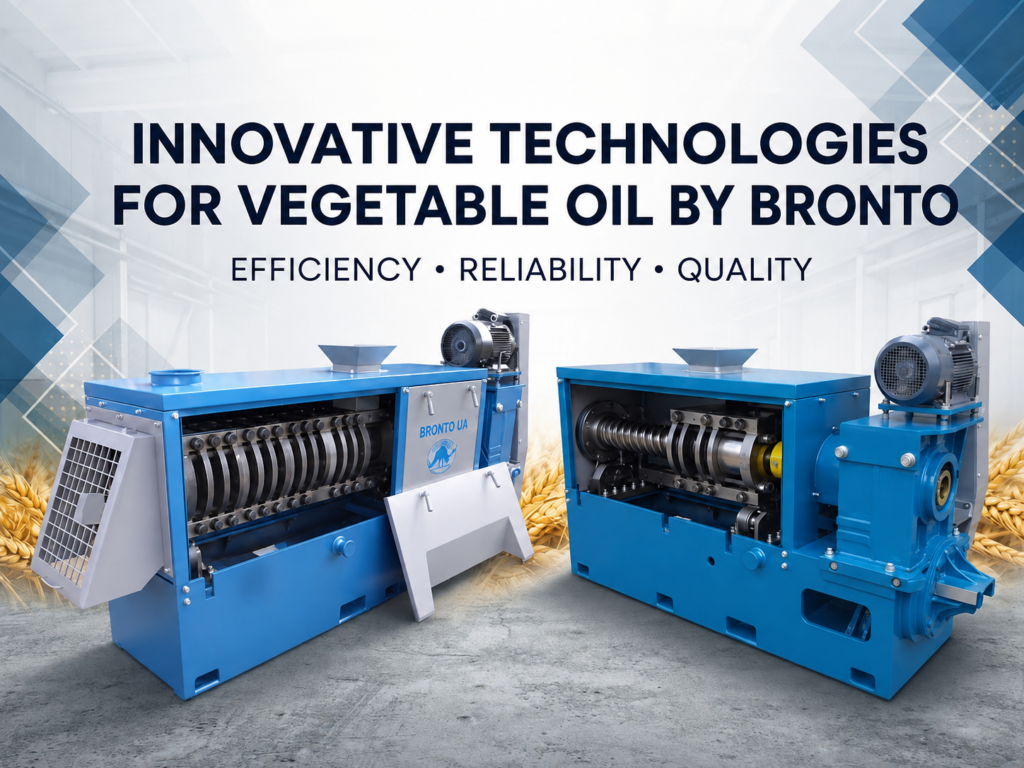
Before signing a contract for an oil press, every buyer goes through the same set of concerns: how much does it cost, when will it arrive, is this equipment a ‘pig in a poke’, and is the manufacturer even trustworthy? We’ve compiled the top 5 questions we’re asked most often about BRONTO presses — and honest answers to each of them.
There is no single fixed price for an oil press — and this is standard practice for industrial equipment, rather than an attempt to ‘conceal’ the cost. The final price depends on:
Therefore, the correct answer is as follows: the customer is provided with a personalised quote following a brief consultation regarding raw materials, desired output and production conditions. This takes just one phone call or email — and provides an exact figure rather than a rough ‘range’, which would be inaccurate anyway.
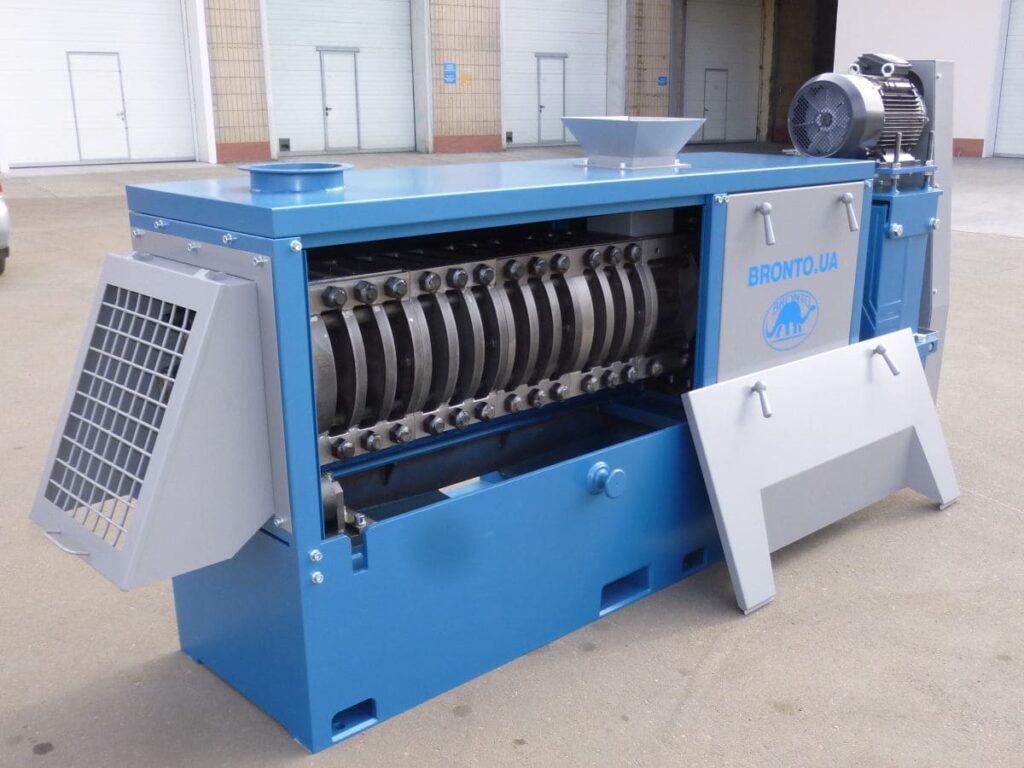
The delivery time depends on the model and the production workload at the time of ordering. The main factors affecting delivery times are:
The exact delivery date is always specified in the commercial quotation and the contract prior to payment — this is standard practice that protects both parties.
Yes, and this is one of the key arguments in favour of BRONTO. The manufacturing plant has been in operation since 1967 and officially confirms the quality of its production:
ISO 9001:2015 certification — the quality management system covers the entire production process, including oil presses;
CE certificates for BRONTO equipment, confirming compliance with European safety standards.
Copies of the certificates are published on the website in the ‘Service’ section, whilst the current CE certificate for the specific press model the customer is interested in is provided upon direct request to the manager — the buyer can check the documents before signing the contract, rather than after the equipment has been installed.
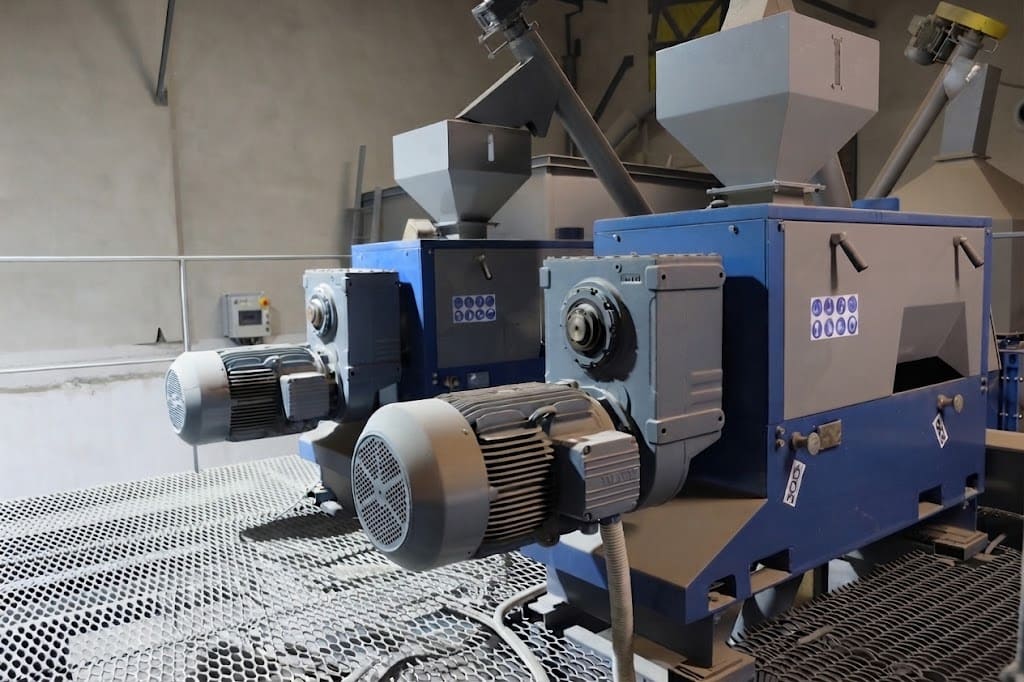
There are several options here, and we usually recommend combining them:
For customers from Nigeria and Ethiopia, the most practical first step is to watch video case studies of a specific press model and get in touch with a regional representative, and only then decide whether an in-person visit is necessary.
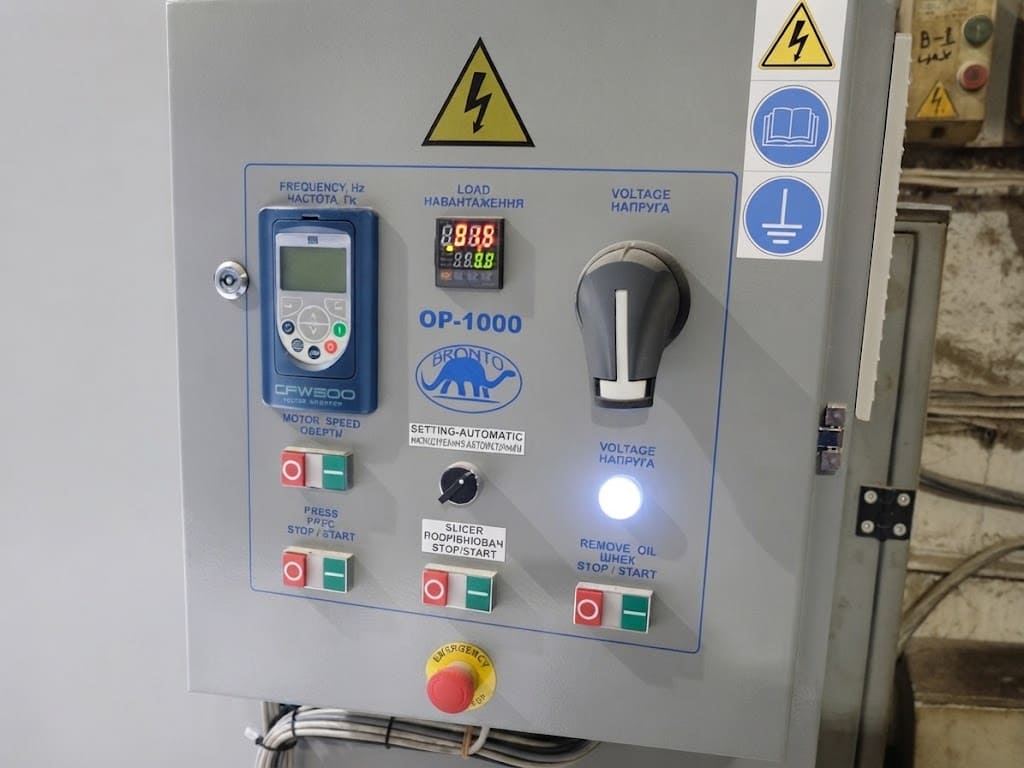
The honest answer: you shouldn’t choose based on who’s ‘best at vacuum’, but rather on whose strengths best suit your project. With BRONTO, these are:
Do you have a question of your own that isn’t on the list? Submit an enquiry at bronto.ua — our engineers will provide personalised advice tailored to your project.
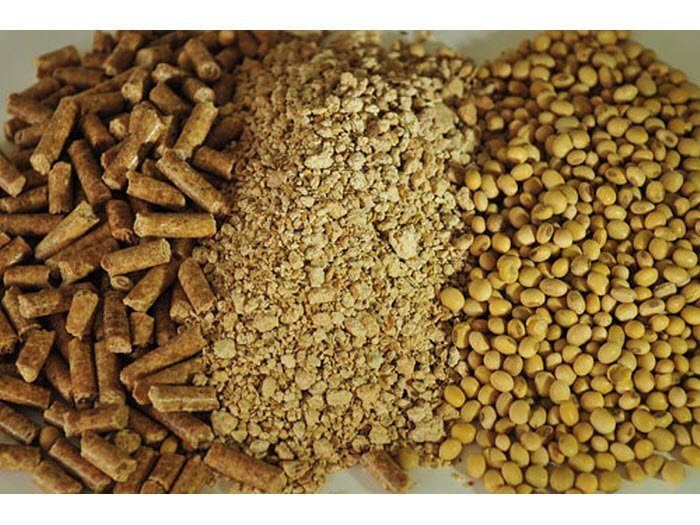
The oil cake is a product resulted from mechanical oil extraction from oilseed in our case we press the oil from the extruded full fat soy meal.
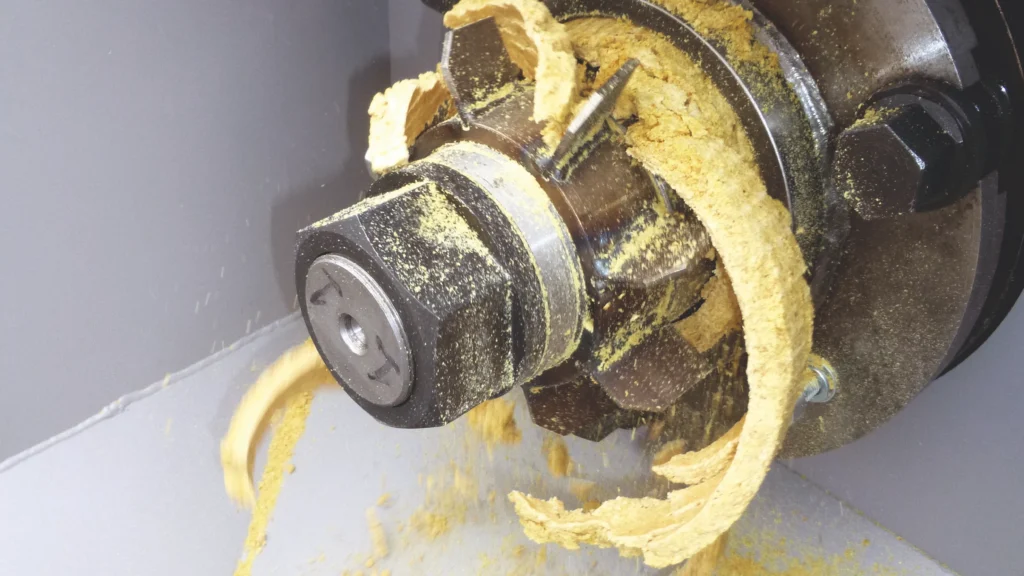
Soybean press cake also known as an oil cake is a product resulting from the mechanical soy extraction with the help of oil press.Solvent cake is a product passed through a solvent extraction and chemical soy defatting.
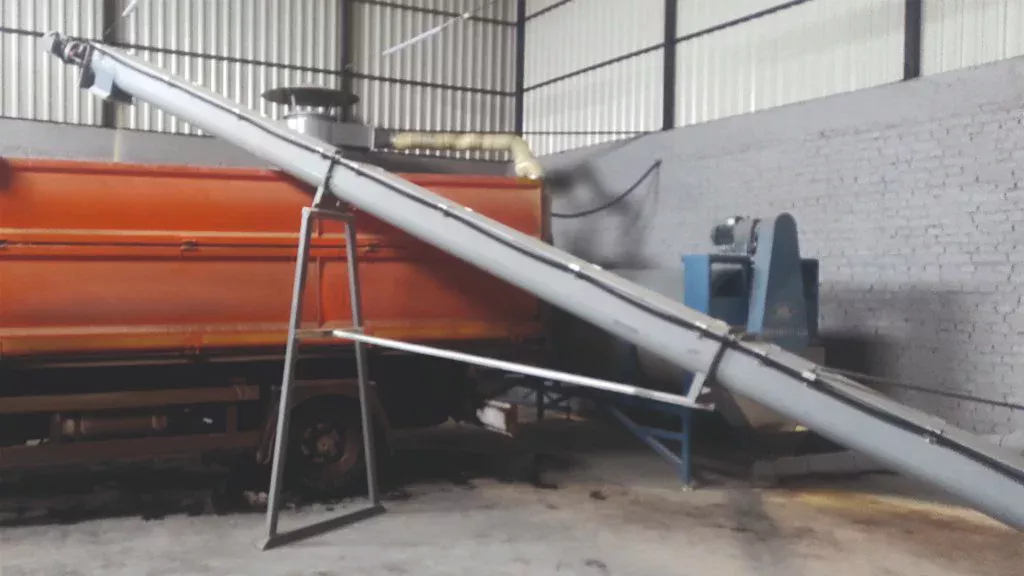
Are you no longer satisfied with the oil content of soybean meal? What can you do to return to 7-8% oil content?
Cold-Pressed Soybean OilCold-pressed oil is considered the healthiest: it has a distinct odor and doesn’t have a long shelf life.
 EXPERTS
