EN

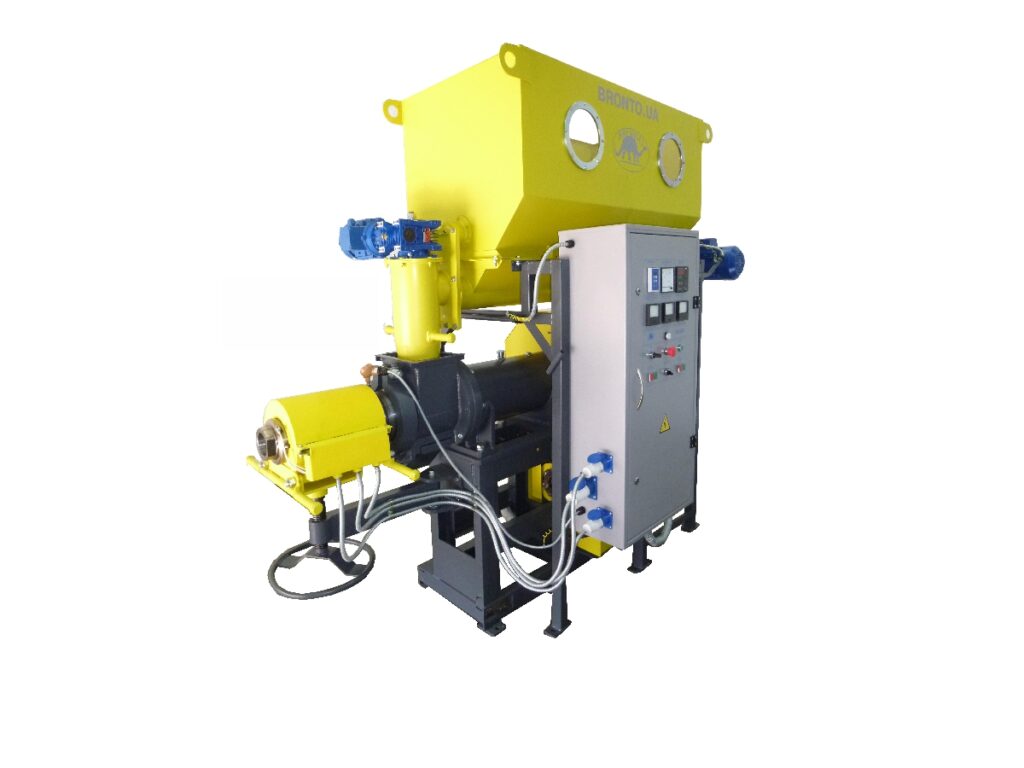
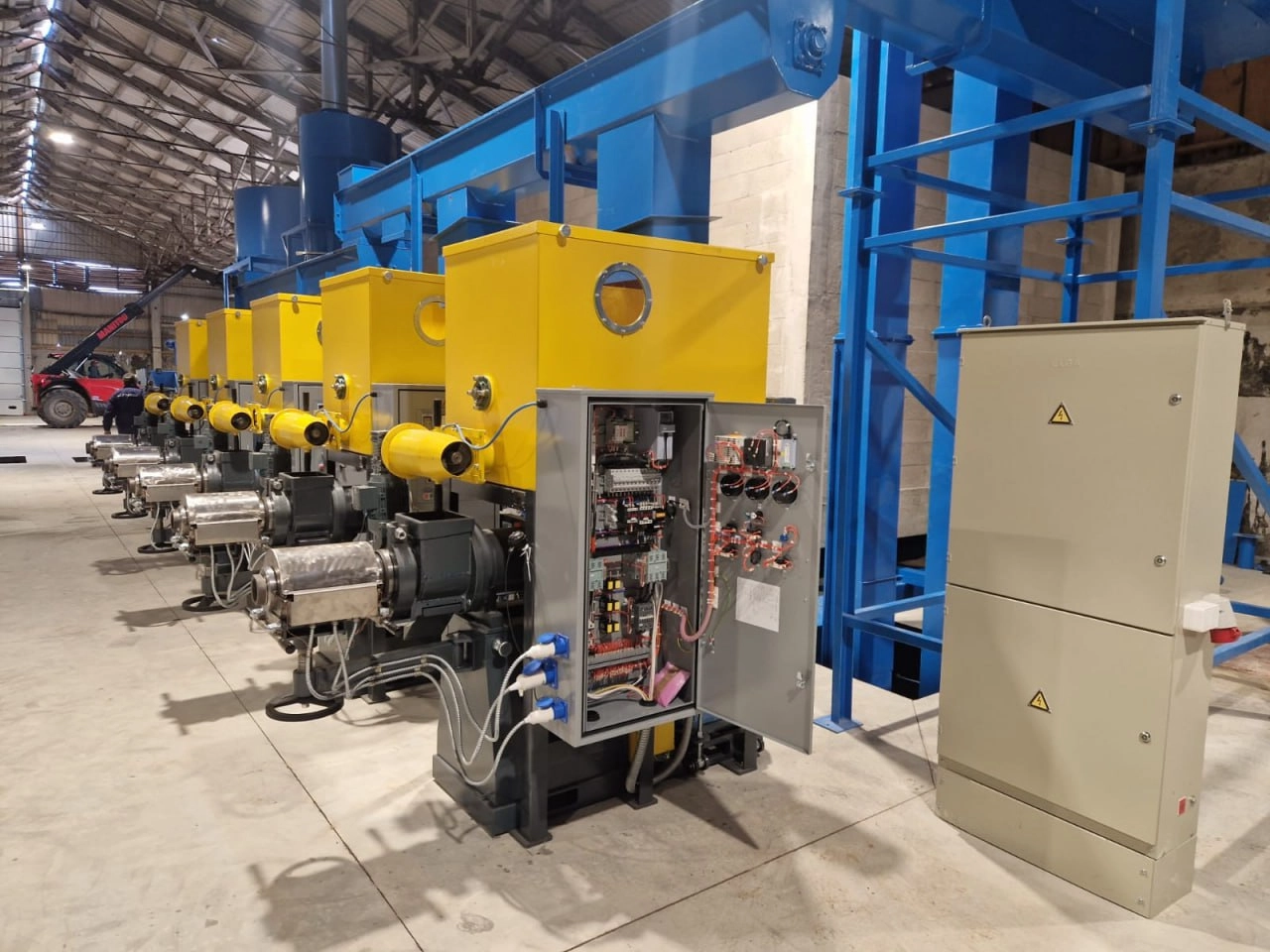
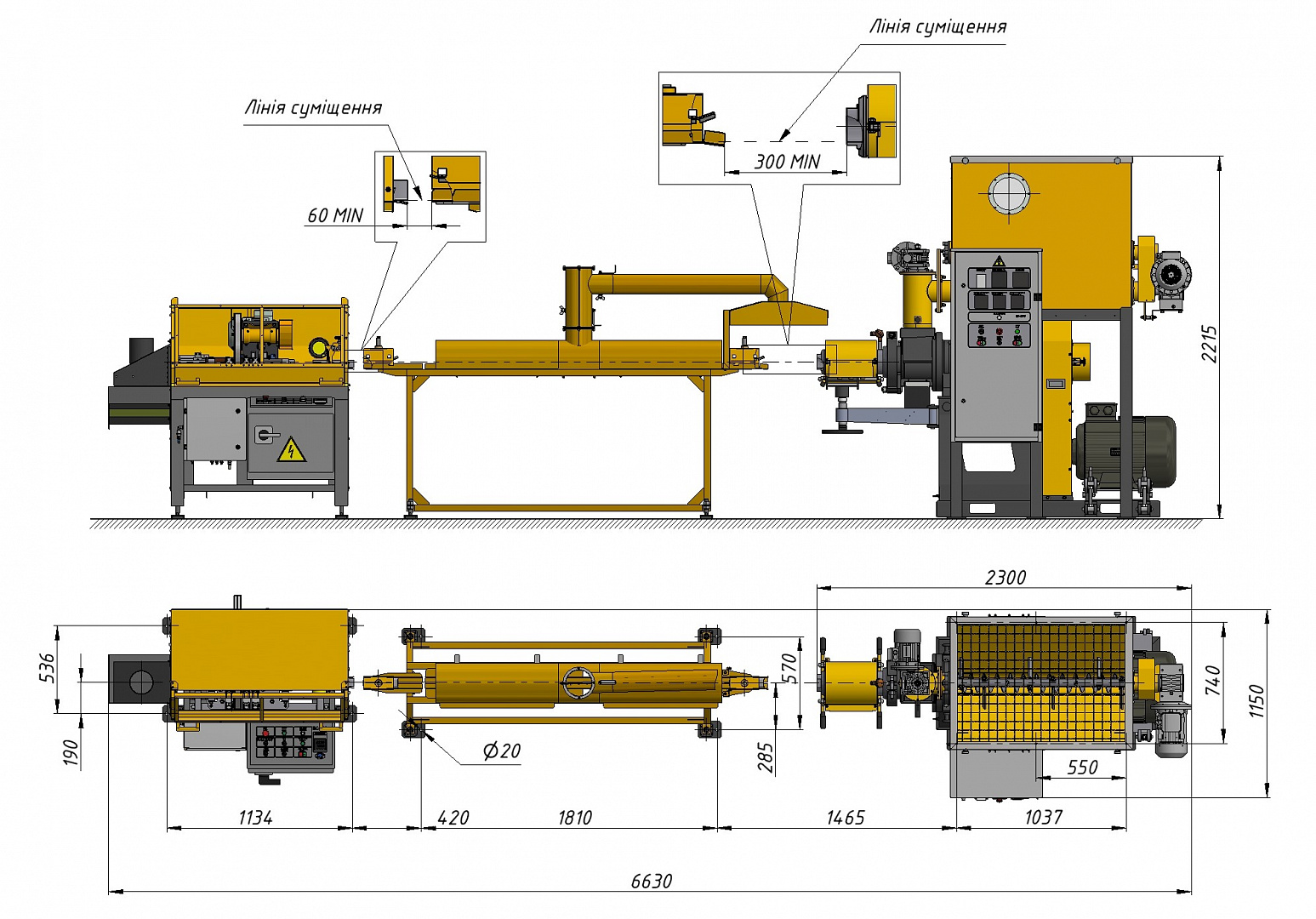
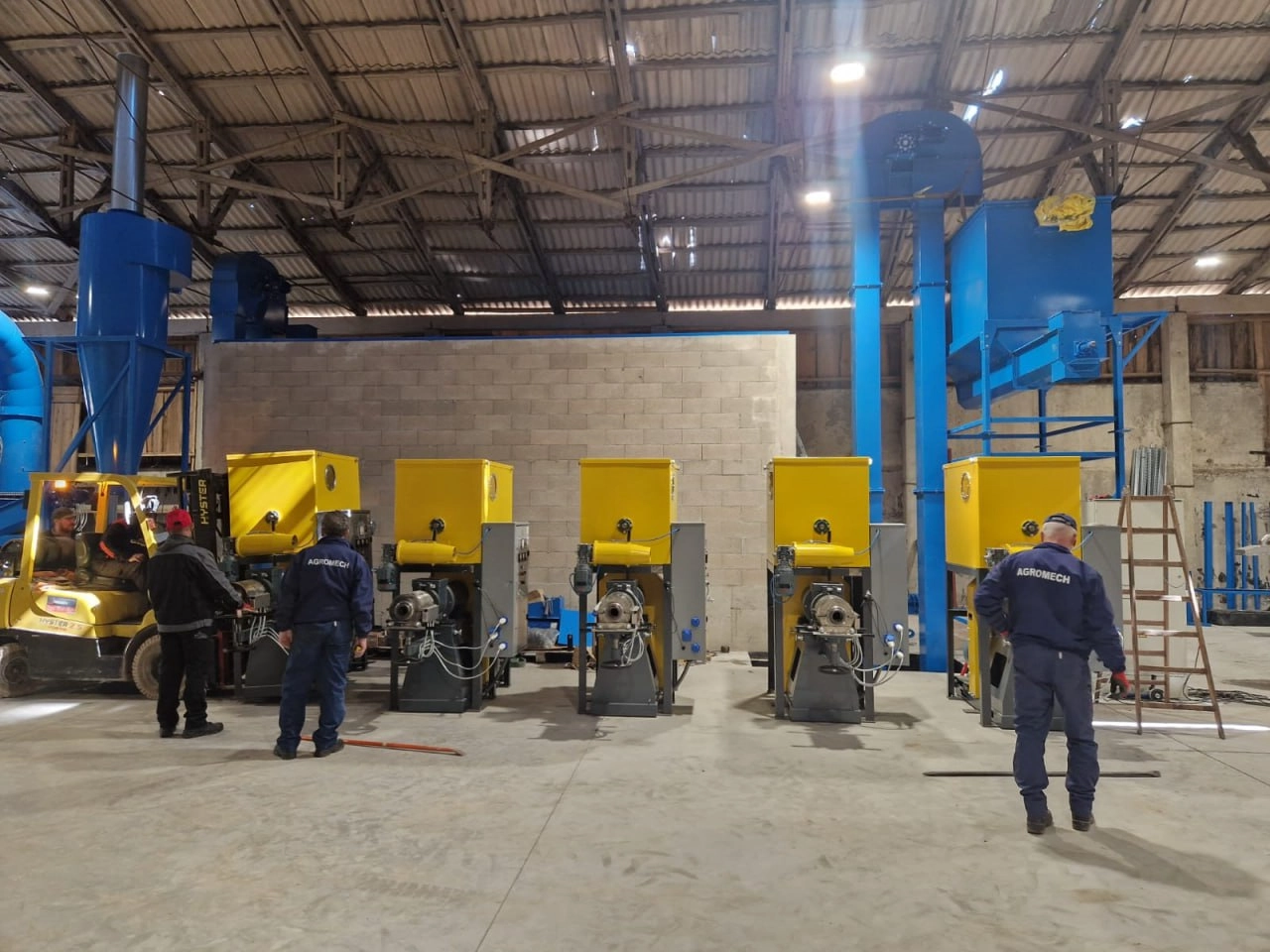
Extruder EB-350

Extruder EB-350

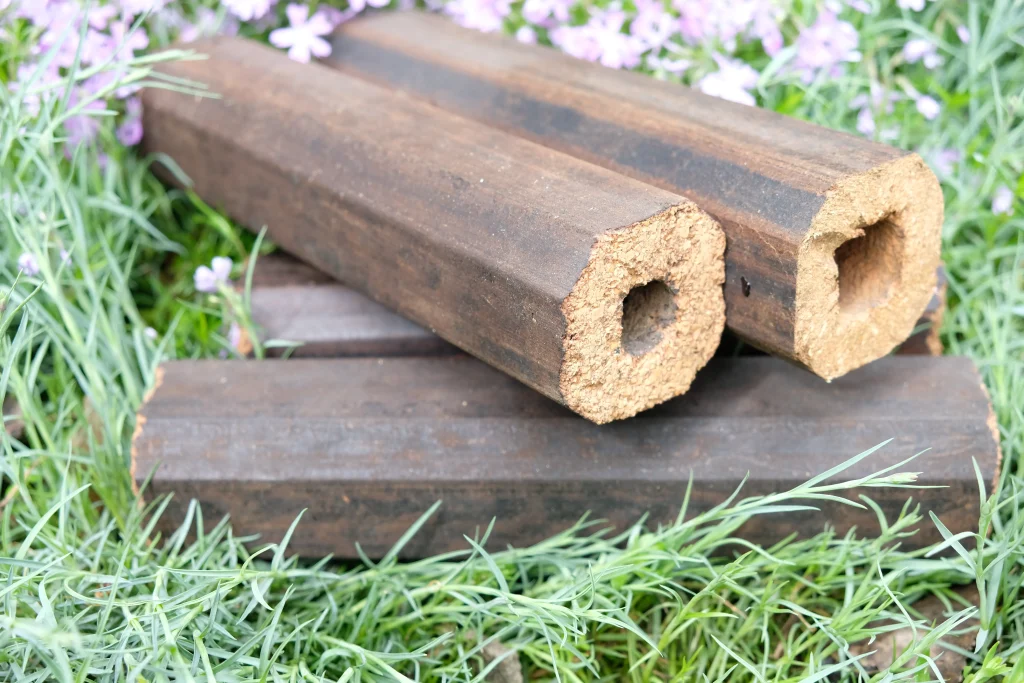
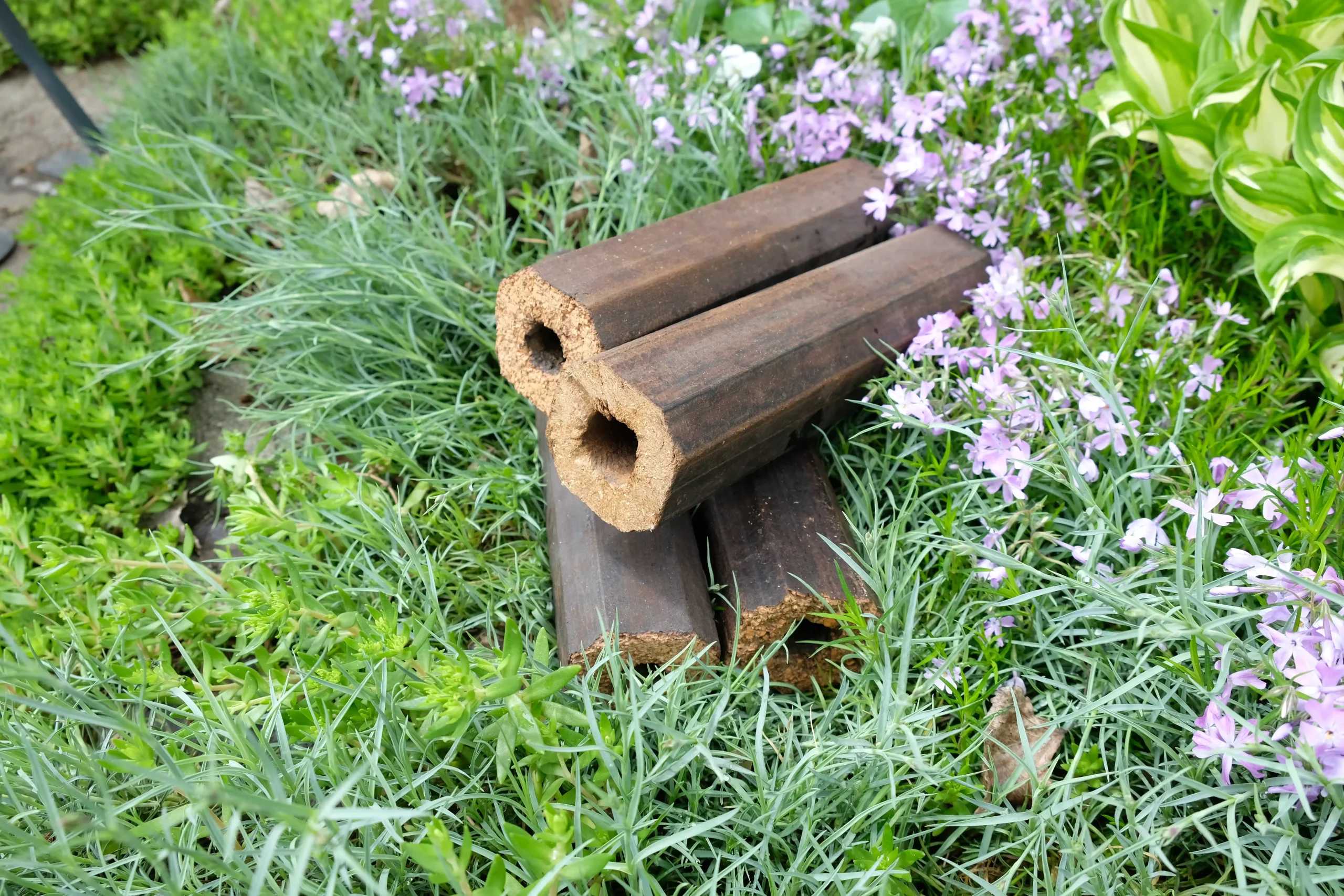
pini kay briquettes
pini kay briquettes
USED FOR
production of fuel briquettes Pini-kay
RAW MATERIALS
sawdust, sunflower husks, straw, reeds
HUMIDITY OF RAW MATERIALS
8%

technical specifications

Productivity, up to kg/hour
up to 500 kg/hour
Moisture content of the starting material
8%
Length
3800 mm
Width
1200 mm
Height
2250 mm
Mass
1600 kg
Power
46.4 kW

Calorific value of the manufactured briquette: 4200 – 4900 kcal/kg

Raw material requirements:

Fraction

grind the raw materials to

1-5 mm

remove dust and coarse fraction

Humidity

dry the raw materials to

8%

high-quality drying - high-quality briquettes

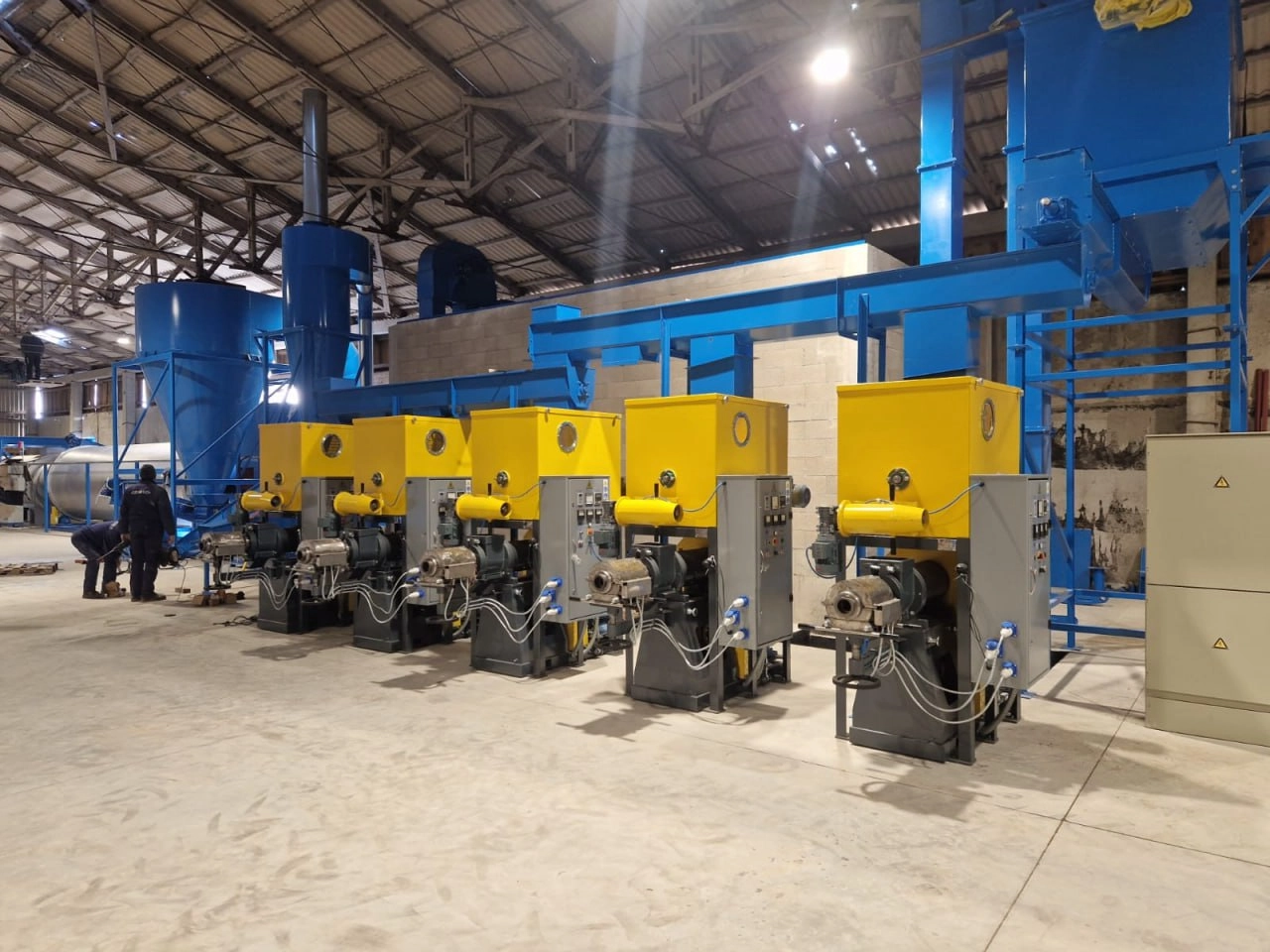
This extruder-press is used as part of technological lines for processing plant biomass into solid briquetted fuel.


Advantages of the extruder:


No additives are used to bond the briquette.

Manufacturing process:

The raw material is loaded into the press hopper.

Feeders at the bottom of the hopper feed the product into the working body.

The raw material is pushed by a conical screw through the working body of the extruder.

The material is compressed to 1-1.2 t/m³ and takes shape.

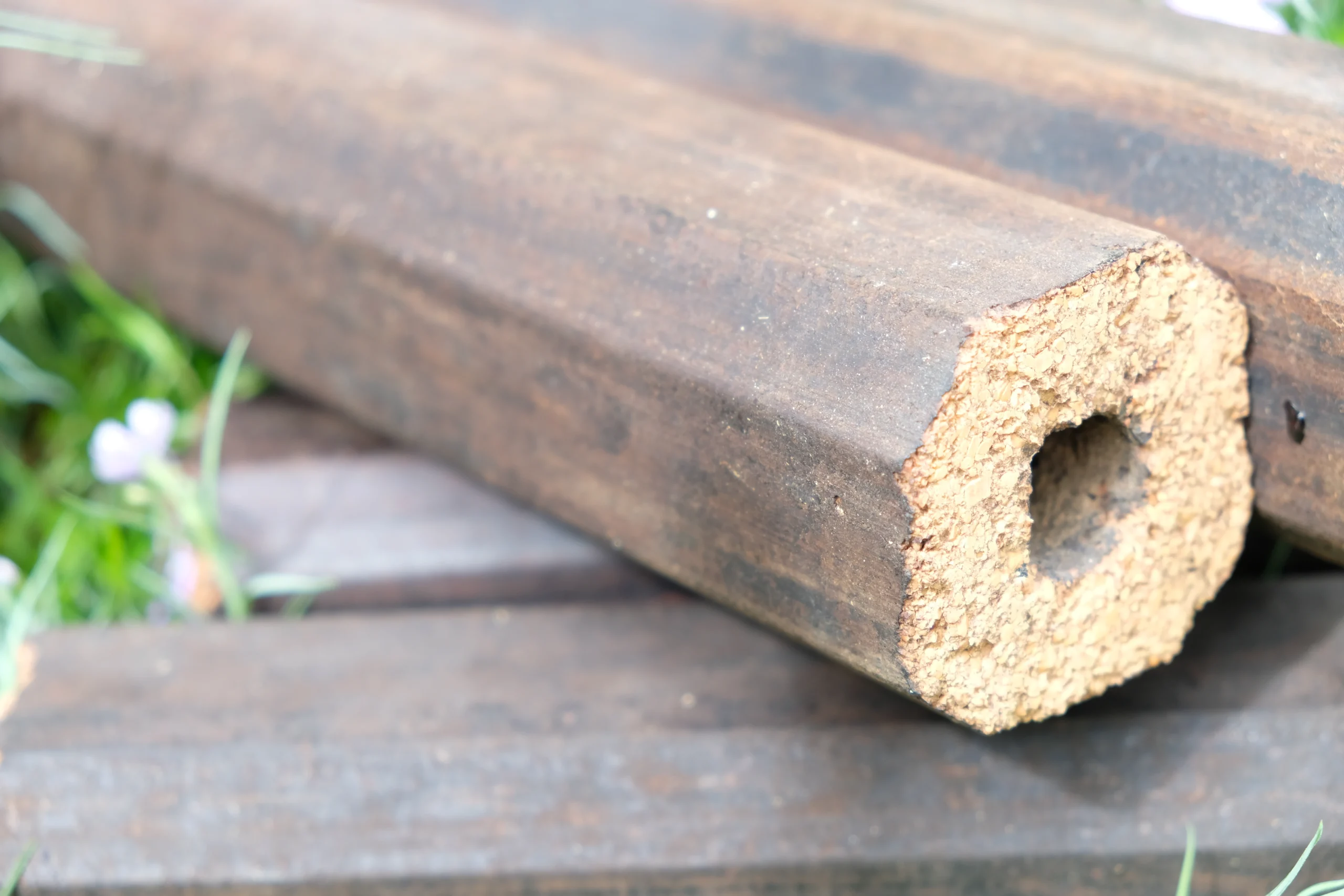
The cross-section of the briquette looks like a square 63 mm by 63 mm with chamfers and a 10-15 mm hole.

The fuel briquette moves along a square channel and is burned with furnaces. The processing temperature is 180-300 ºС.

This is done to separate lignin from plant raw materials.

This natural polymer glues the surface of the briquette, prevents moisture from penetrating, and makes the product resistant to destruction during transportation.

The biobriquette leaves the working body and moves along the cooler.

Clamps are mounted on the cooler.

They regulate the specific gravity of the fuel briquette during molding.

From the cooler, the briquette enters a mechanical divider or an AUTOMATIC TORCULATING DEVICE.

Here the length of the briquette is formed.

After cutting, the briquette is sent for cooling.


CONTACT OUR EXPERTS

Articles

Feed Soy Concentrates Based on Extruded Grain

One of the key limiting factors in improving compound feed quality is the deficit of protein raw materials, a replenishable source of which is the grain of leguminous crops. Legumes (lupines, vetches, field beans, field peas, soybeans, chickpeas) contain 25% to 40% protein, 37–45% starch, 1.5–4.5% fat, vitamins, and micronutrients. The proteins of leguminous crops are characterized by good solubility: water- and salt-soluble fractions account for 70% to 90% of the protein. The amino acid profile includes all essential amino acids, with methionine + cystine being the limiting amino acid. Seeds of vetch and field beans have lysine as their second limiting amino acid.

12.10.2026
work
Articles

Extrusion Preparation of Grain Raw Materials in Pet Food Production

The market for pet food (dogs and cats) is one of the most dynamic and profitable segments of the feed-milling industry. While the profitability of traditional compound feed for farm animals typically ranges from 5% to 15%, the production of dry pet food achieves a profitability of 50% to 250%.

12.10.2026
News

Has the upper limit of urease activity been revised?

There is currently frequent discussion regarding lowering the upper limit of permissible urease activity to 0.050 pH units.

09.10.2026
FAQ: questions

MOS-500 Separator Discharge Timing

A common question arises: How long does it take to fill and empty the MOS-500 mechanical oil separator?

05.10.2026

CONTACT OUR EXPERTS

Our site uses cookies.

This site uses cookies to save your preferences and personalize advertising offers. By clicking “Agree”, you consent to the use of cookies and accept our privacy policy.

Privacy Policy