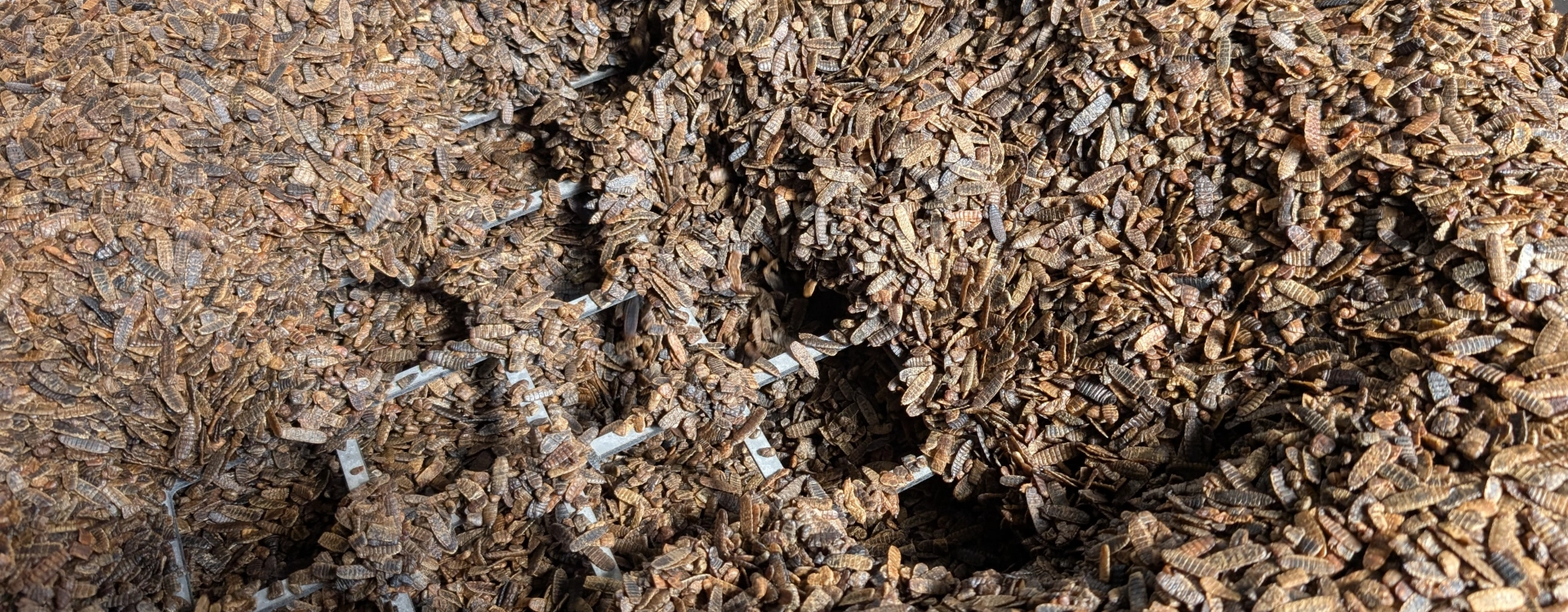
Black soldier fly larvae processing line
for uninterrupted production of cake and fat
processed products

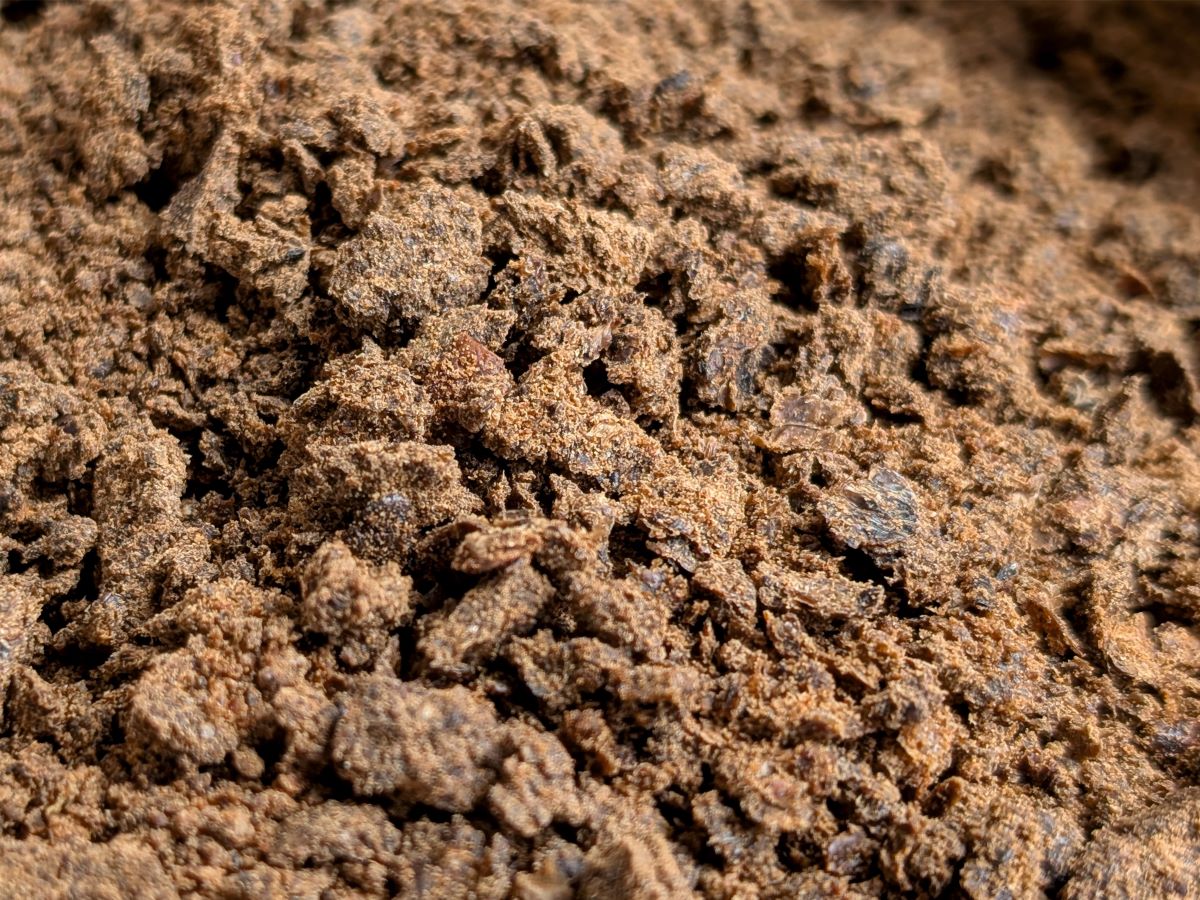
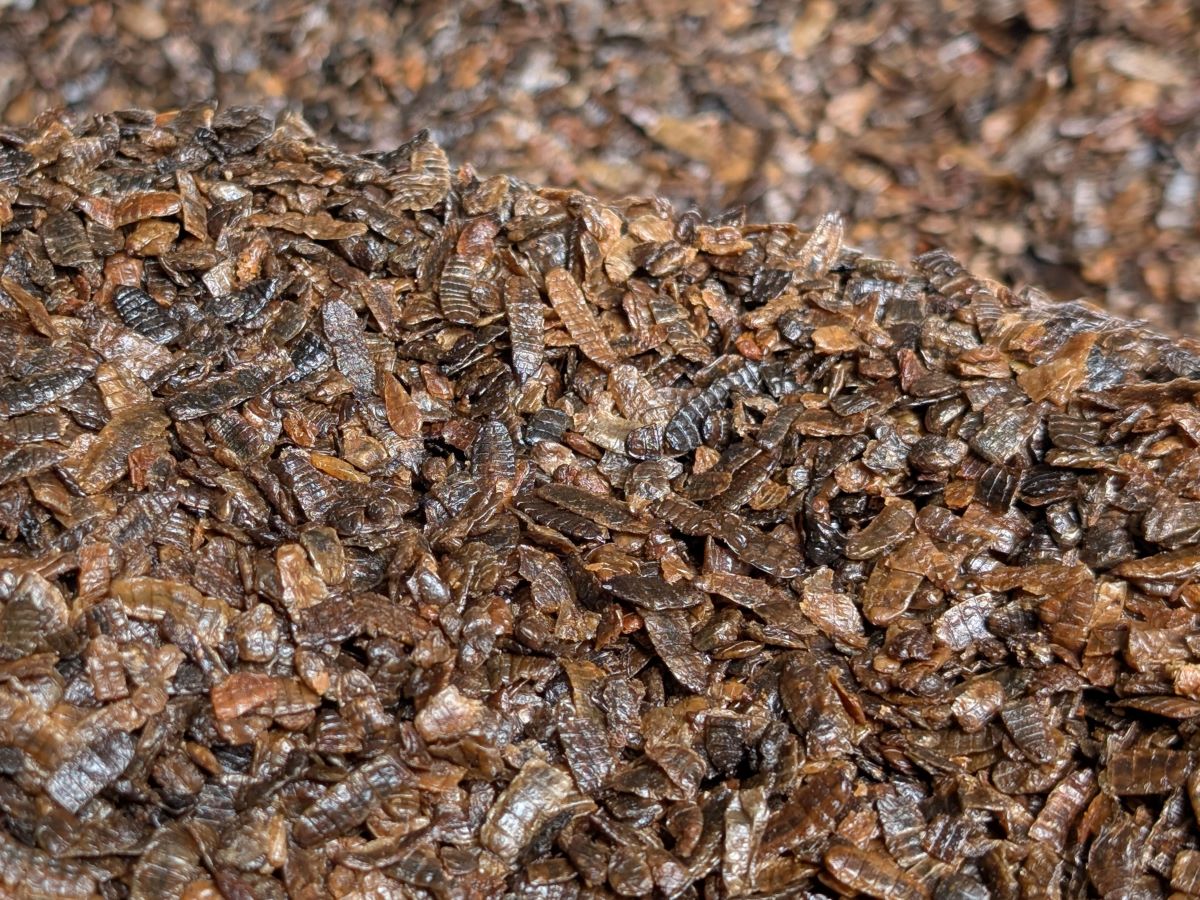
Cake
up to
3,6 t/d
protein content up to 50-60%
oil content 9-10%

Fat
up to
1,3 t/d
without the use of chemicals
long shelf life
TECHNICAL SUPPORT ALL OVER THE WORLD
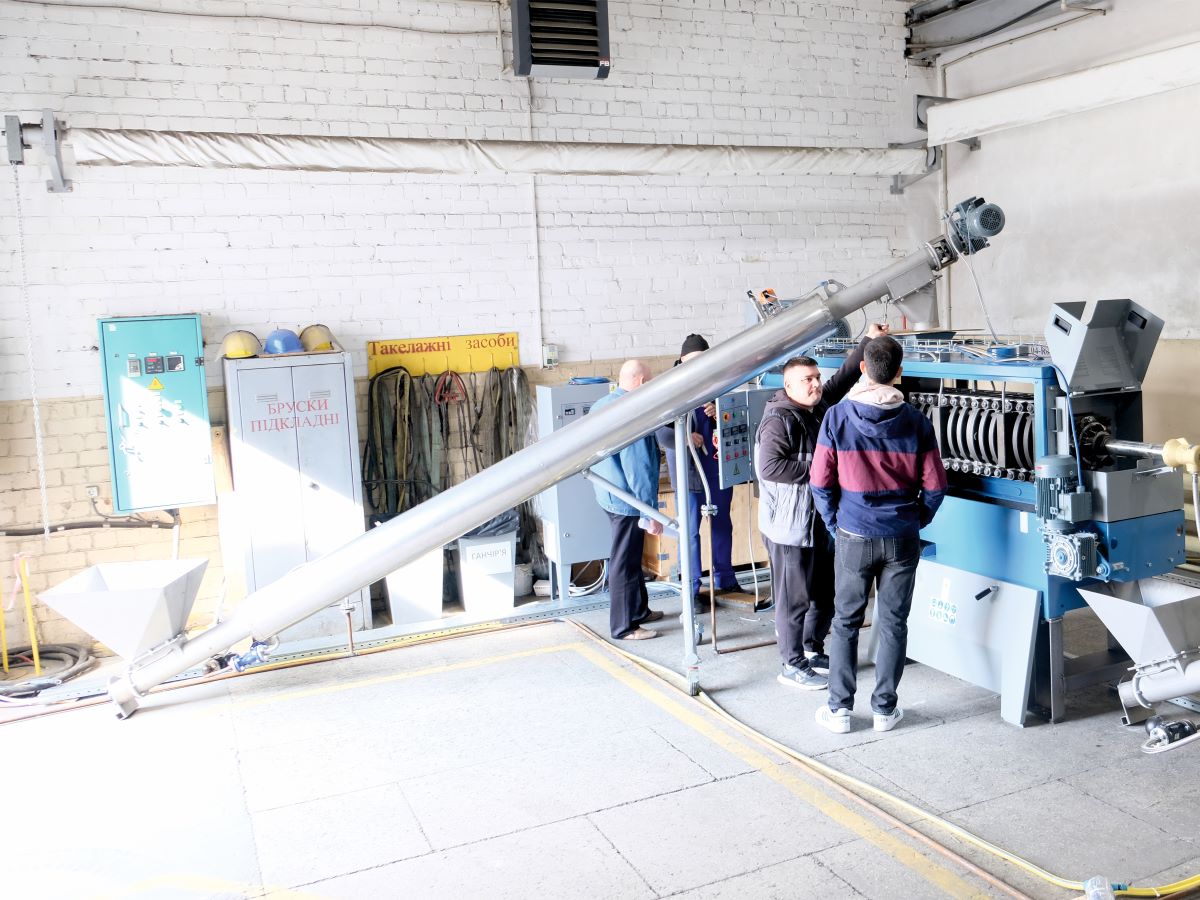
We manufacture equipment that can be easily integrated into a complete black lionfish larva processing line, adapted to the specific needs of our customers.
Main steps:
- preheating of the larva;
- squeezing of the heated mass;
- thermal control of the squeezing process;
- cooling of the cake with an oil content of 8-10%
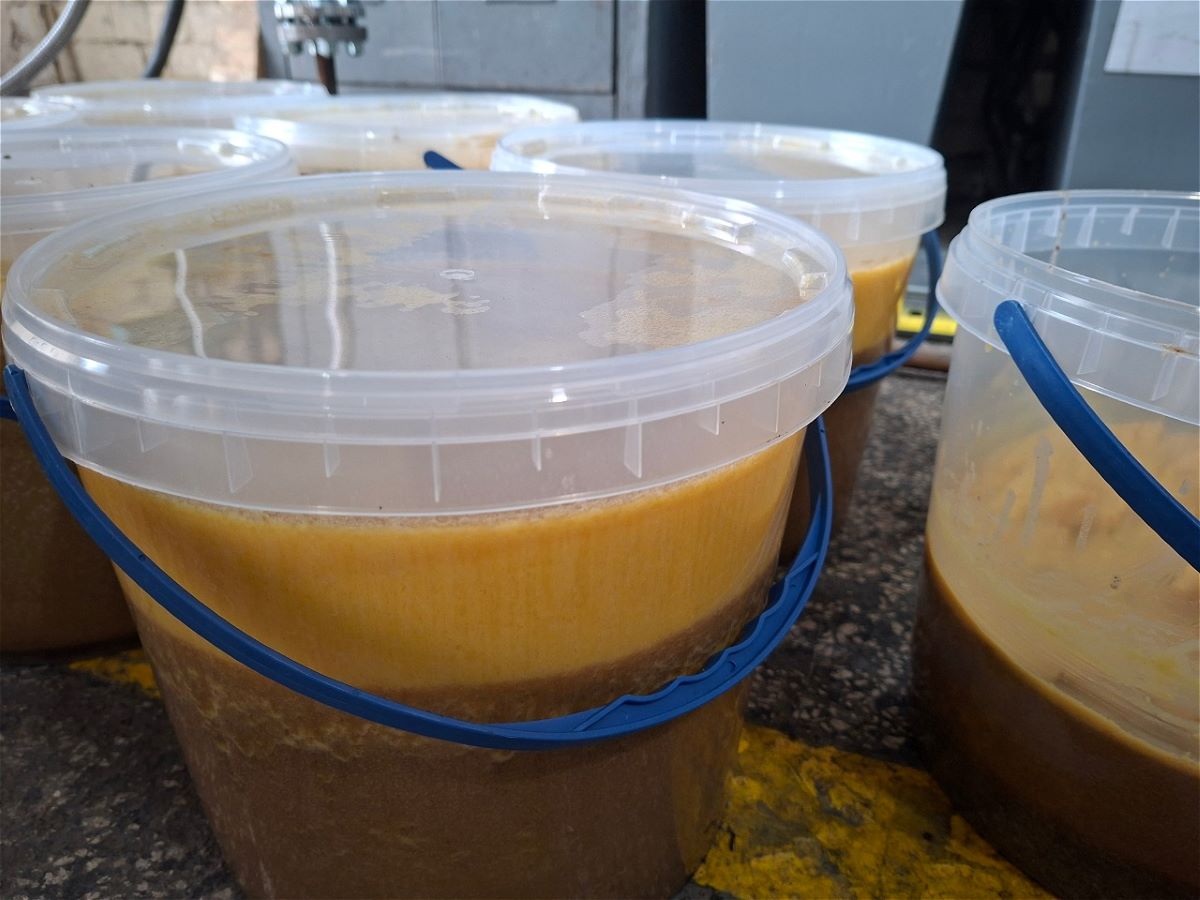
More information about the processing of black fly larvae (BSFL)
Effective Solution for Producing Oil and High-Protein Feed Component from Black Soldier Fly Larvae (BSFL)
Our production line provides the optimal balance between productivity and preservation of the nutritional value of the end products.
Main Advantages of the Line
Our technological line is designed to address the key challenges in BSFL processing:
- Controlled Temperature Regime: Heats the raw material and stably maintains its temperature within 55-65°C, which is critically important for preserving protein quality.
- High Pressing Efficiency: Ensures maximum oil yield and maintains the residual oil content in the press cake at 9-10%.
How it Works: Processing Stages
1. Preliminary Preparation and Feeding
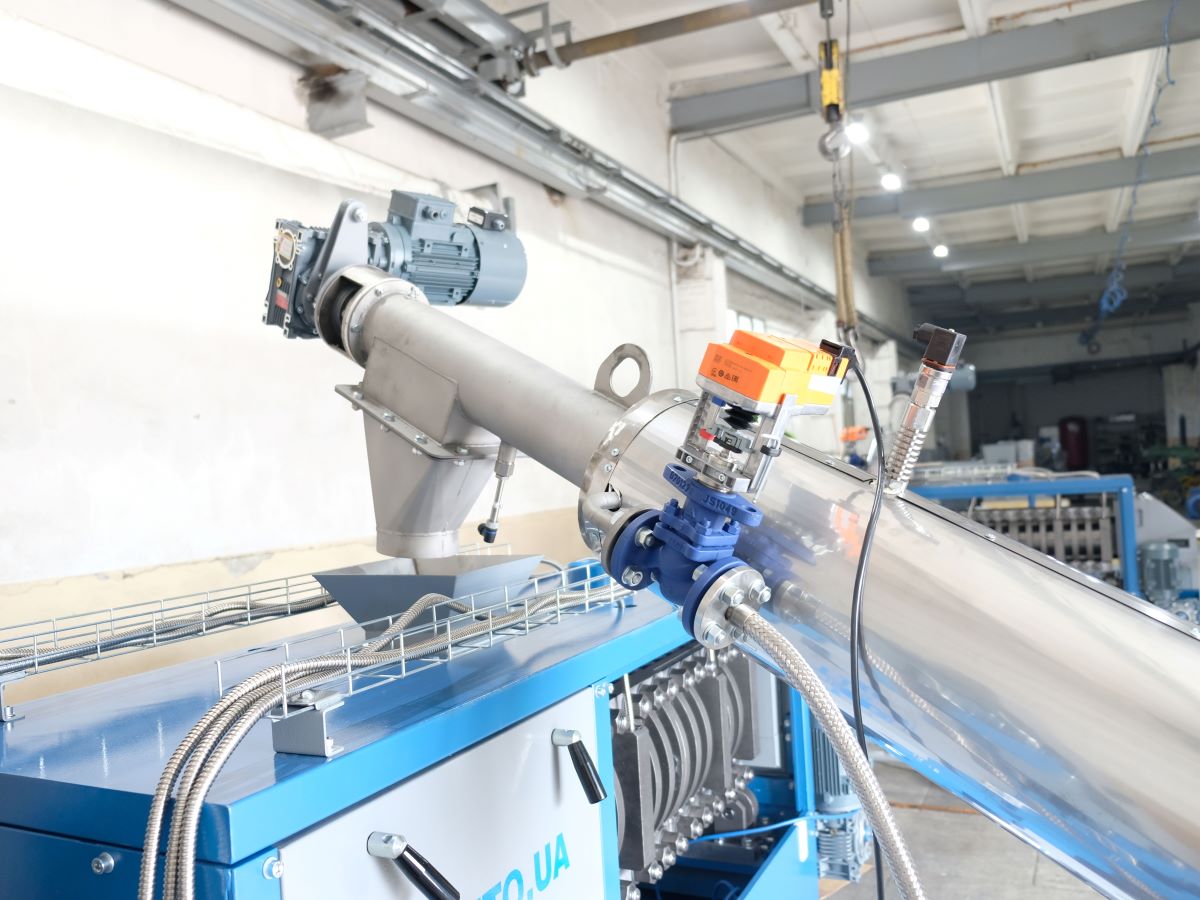
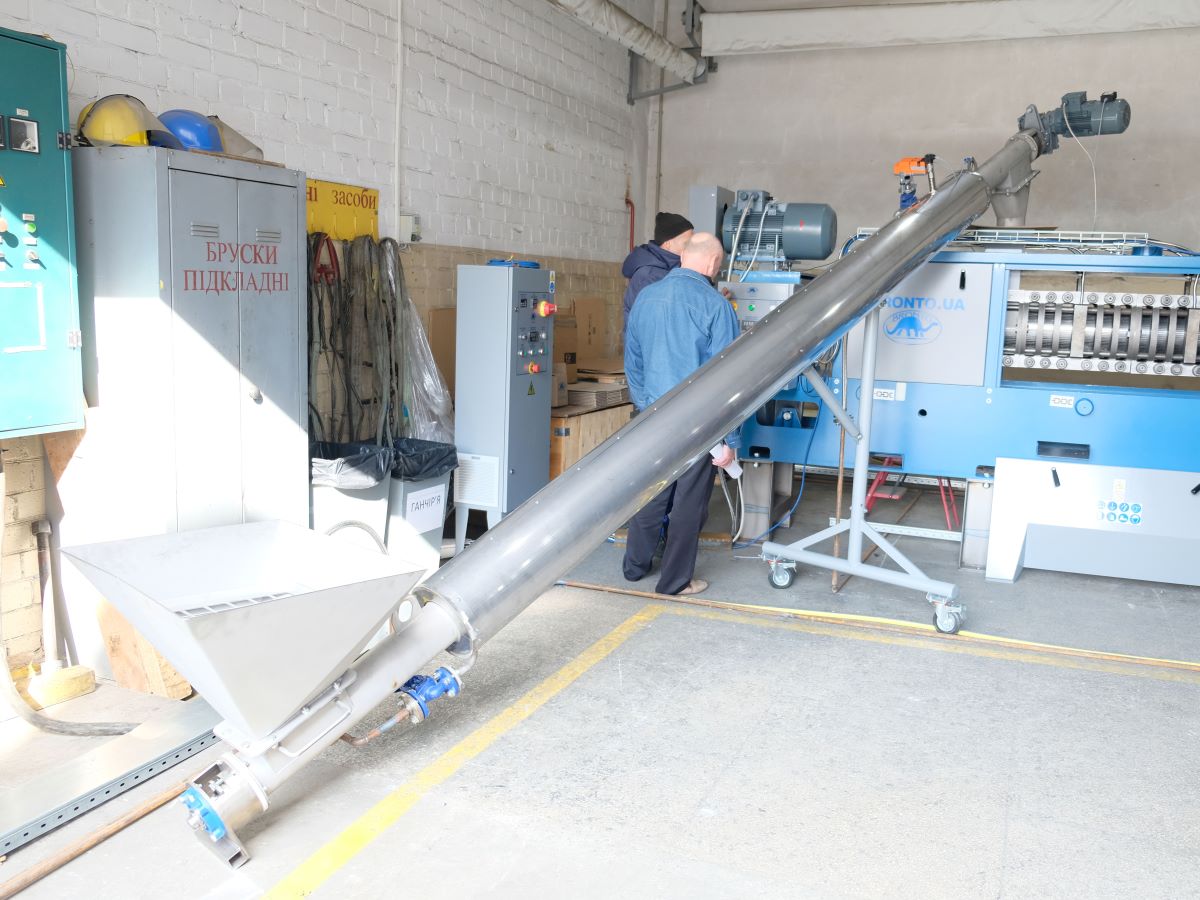
Dried Black Soldier Fly larvae with 8% moisture are loaded into the HSF-110 heated feeder hopper. In the feeder, the raw material moves along an inclined pipe with the help of a screw. An external steam “jacket” evenly heats the larvae before sending them to the press.
- Time Adjustment: The residence time of the raw material in the feeder is set between 1.5 and 3 minutes by adjusting the screw rotation speed via the control panel.
- Precise Dosing: In addition to heating, the feeder accurately doses the raw material into the oil press.
2. Oil Pressing
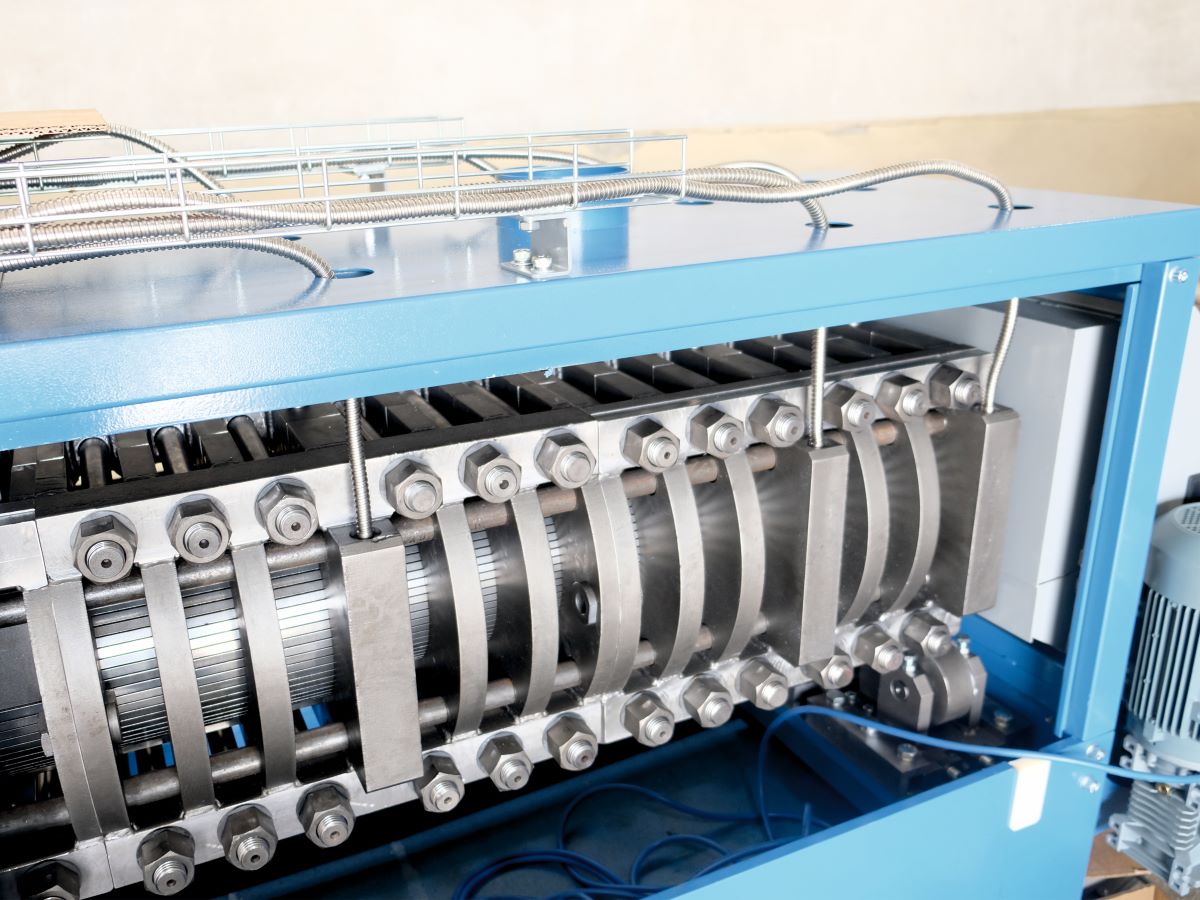
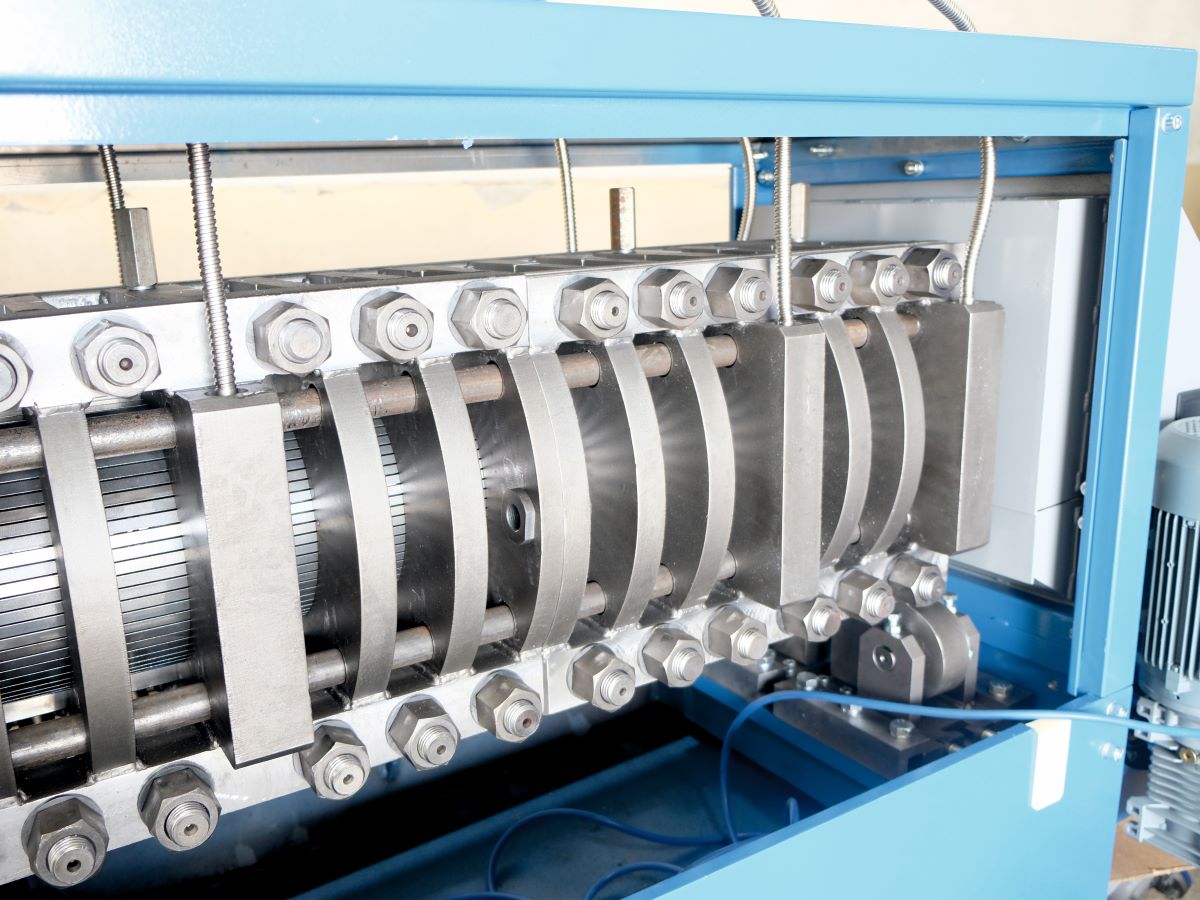
The heated larvae enter the OP-500H oil press with automatic temperature control. In the press’s cage chamber, the material is compressed between the chamber walls and the screw system on the shaft. Due to the gradual reduction of the chamber’s internal volume, the oil is efficiently separated.
- The oil passes through special gaps between the cage bars and is collected in a tray for further purification.
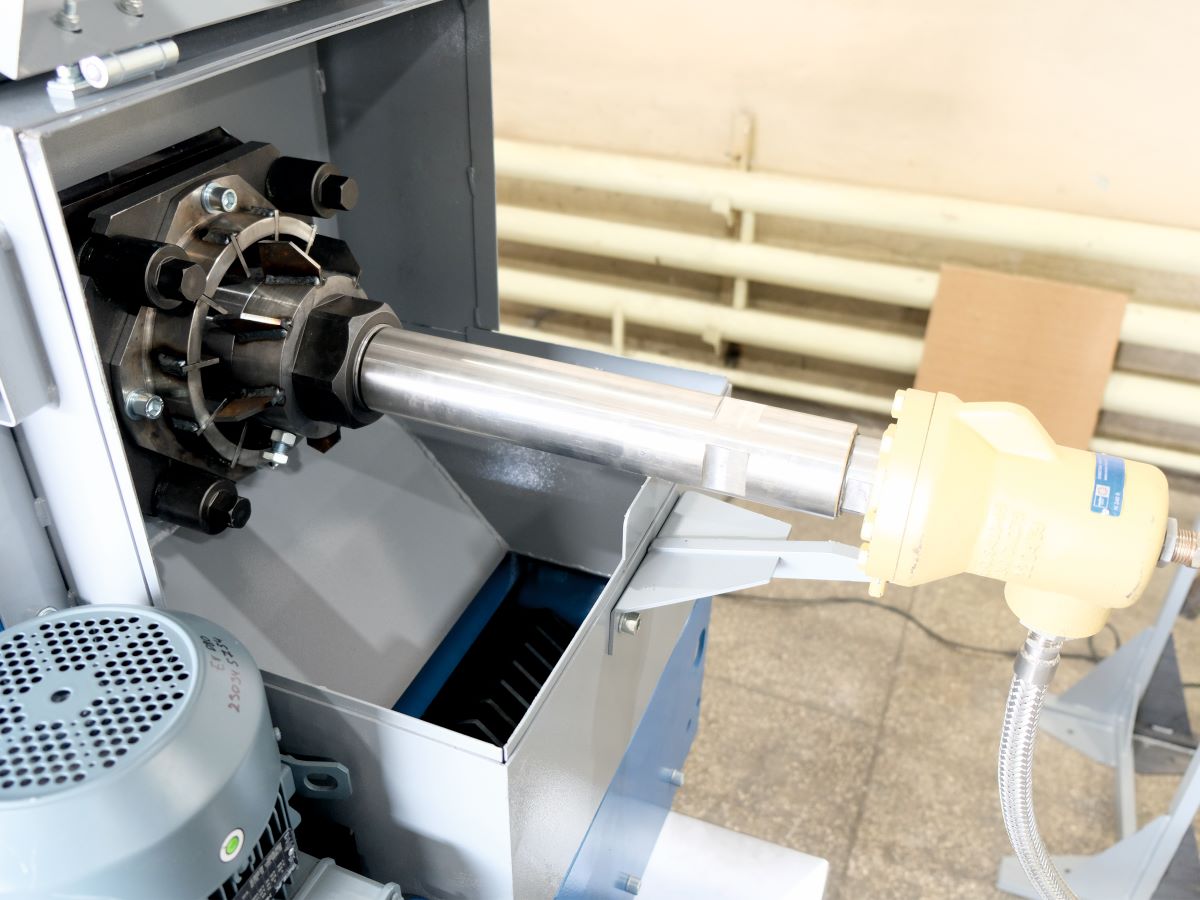
- The press cake (high-protein component) with a residual oil content of 9-10% exits through an adjustable cone assembly.
3. Unique Temperature Control System
Our press is equipped with a unique system to maintain the set pressing temperature:
- External Heating: Electric heating elements automatically maintain the temperature of the cage chamber.
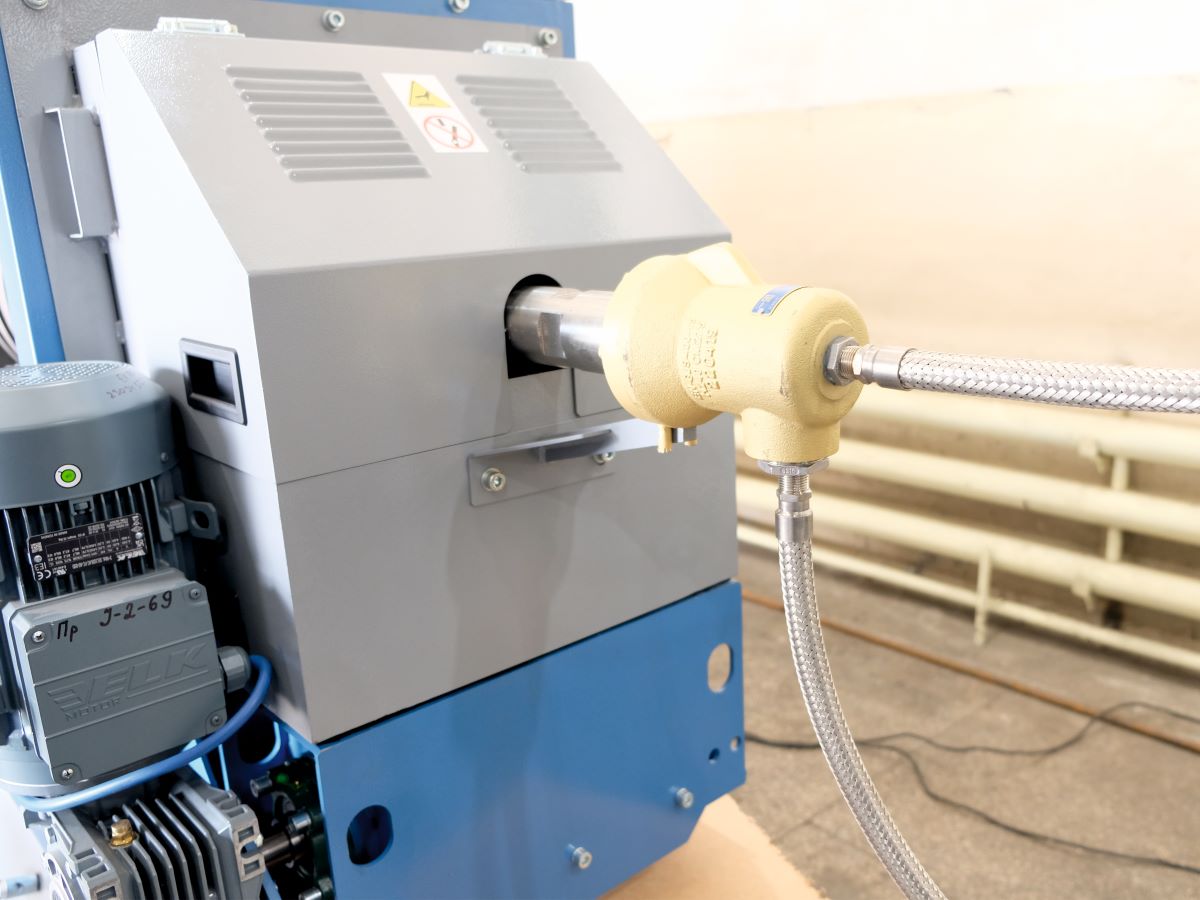
- Internal Control: Steam is supplied through the hollow shaft of the press for additional heating, or running water is used to cool the screws.
This technology enables controlled cold pressing at 55-65°C, which is crucial for preserving the nutritional properties of the protein in the press cake.
4. Final Product Processing
- Press Cake: After exiting the press, the press cake passes through a crusher, then proceeds to cooling and packaging.
- Oil: The collected oil is sent for purification from solid impurities and storage.
Line Configuration
- HSF-110 heated feeder.
- OP-500H oil press with heating and cooling units.
- Press cake crusher.
- Steam generation system.
- Automatic or semi-automatic control panels.
Custom Solutions for Your Business
We are interested in creating layout solutions that perfectly match your facilities and production conditions. Our specialists will prepare a clear list of equipment required for the successful implementation of your Black Soldier Fly larvae processing project.
LAYOUT SOLUTIONS
Our equipment meets your space
ENVISION & PREDICT
Making a layout ahead of time helps you picture the project. It also gives you a clear idea of what is needed for construction, where equipment will go, how much energy will be used, and how materials will move through the facility.
It helps answer these questions:
- if your premises, territory, access roads and power substation are suitable for the implementation of the project;
- what is the project budget.
LAYOUT SOLUTION - WHAT IS IT?
Includes:
- our specialist’s visit to your site;
- measuring the premises;
- coordinating your vision, capabilities and resources;
- making a draft of the technological line – for the conditions of your site;
- preparing a specification of the necessary equipment – for your conditions.
CONTACT OUR
 EXPERTS
TECHNICAL SUPPORT
We ensure this
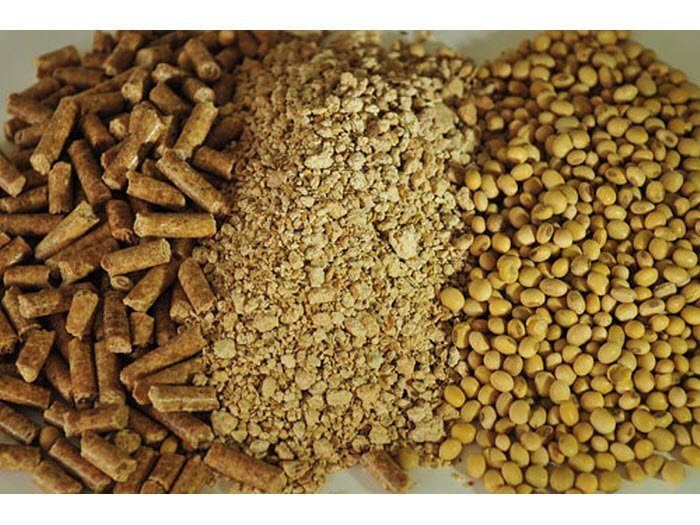
HOW TO PROCESS SOY INTO OIL CAKE
The oil cake is a product resulted from mechanical oil extraction from oilseed in our case we press the oil from the extruded full fat soy meal.
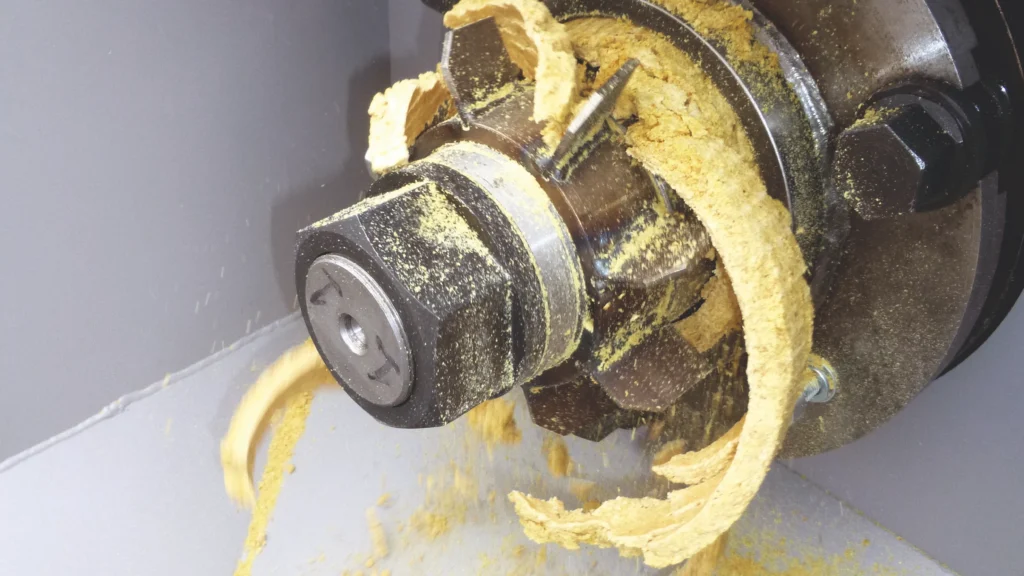
SOY PRESS CAKE AND SOY SOLVENT CAKE
Soybean press cake also known as an oil cake is a product resulting from the mechanical soy extraction with the help of oil press.Solvent cake is a product passed through a solvent extraction and chemical soy defatting.
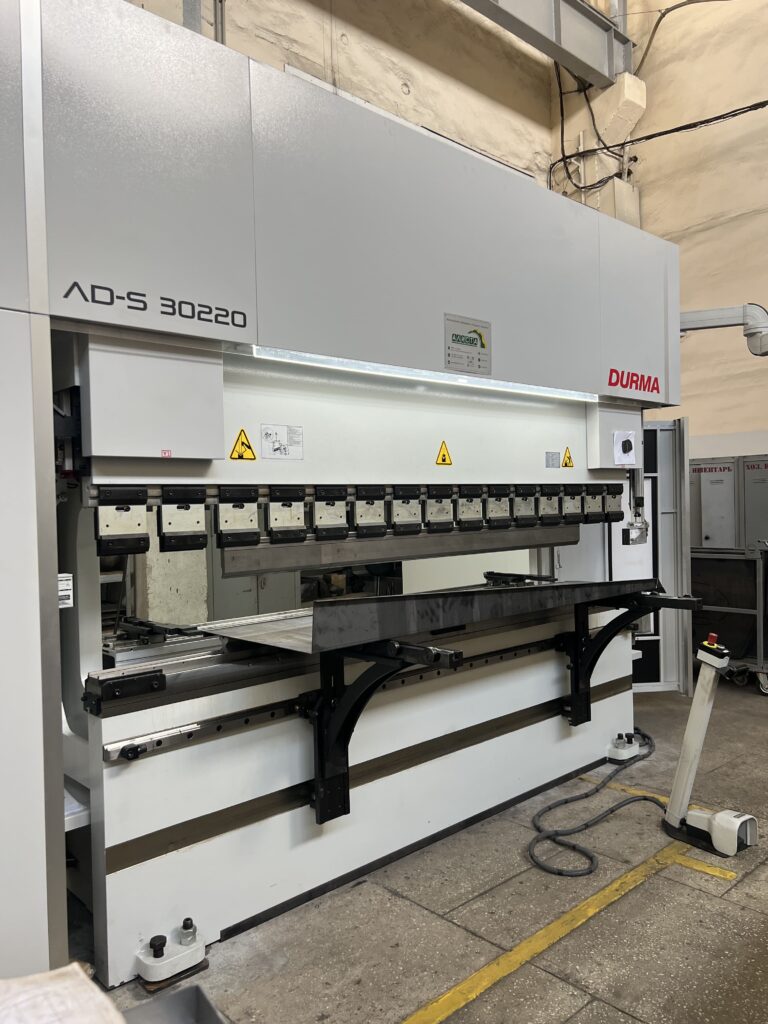
BRONTO Upgrades Production:
New CNC Press Brake by Durma for Faster, More Precise Equipment Manufacturing
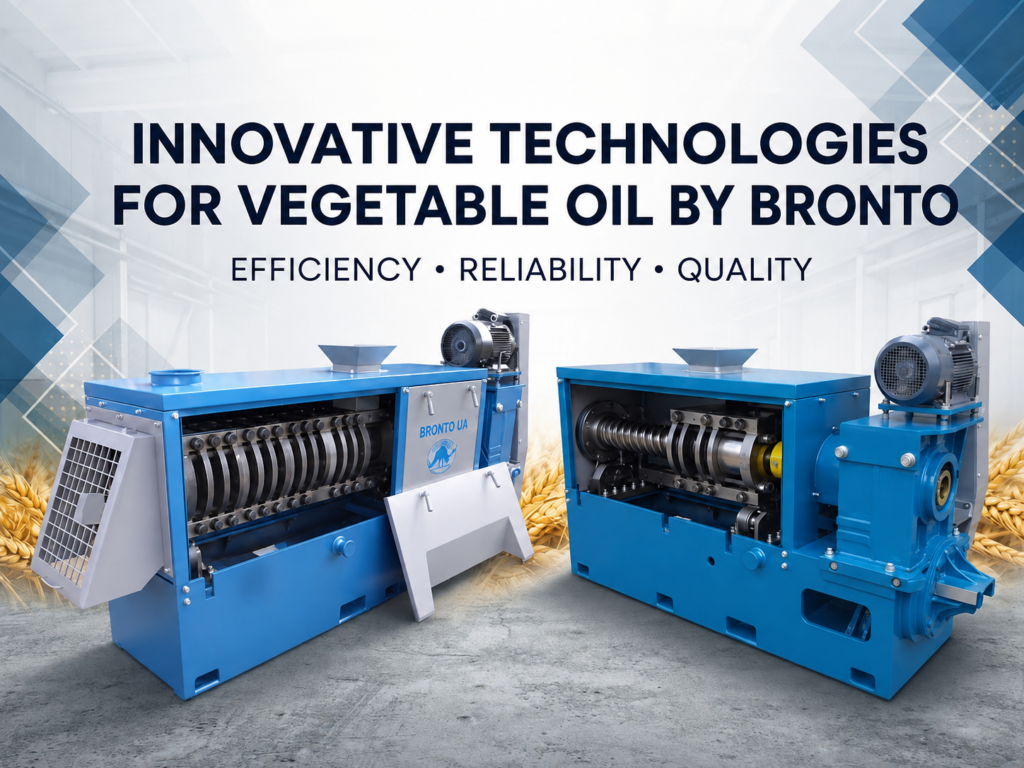
Top 5 questions buyers of oil presses ask before making a purchase
Before signing a contract for an oil press, every buyer goes through the same set of concerns: how much does it cost, when will it arrive, is this equipment a ‘pig in a poke’, and is the manufacturer even trustworthy? We’ve compiled the top 5 questions we’re asked most often about BRONTO presses — and honest answers to each of them.