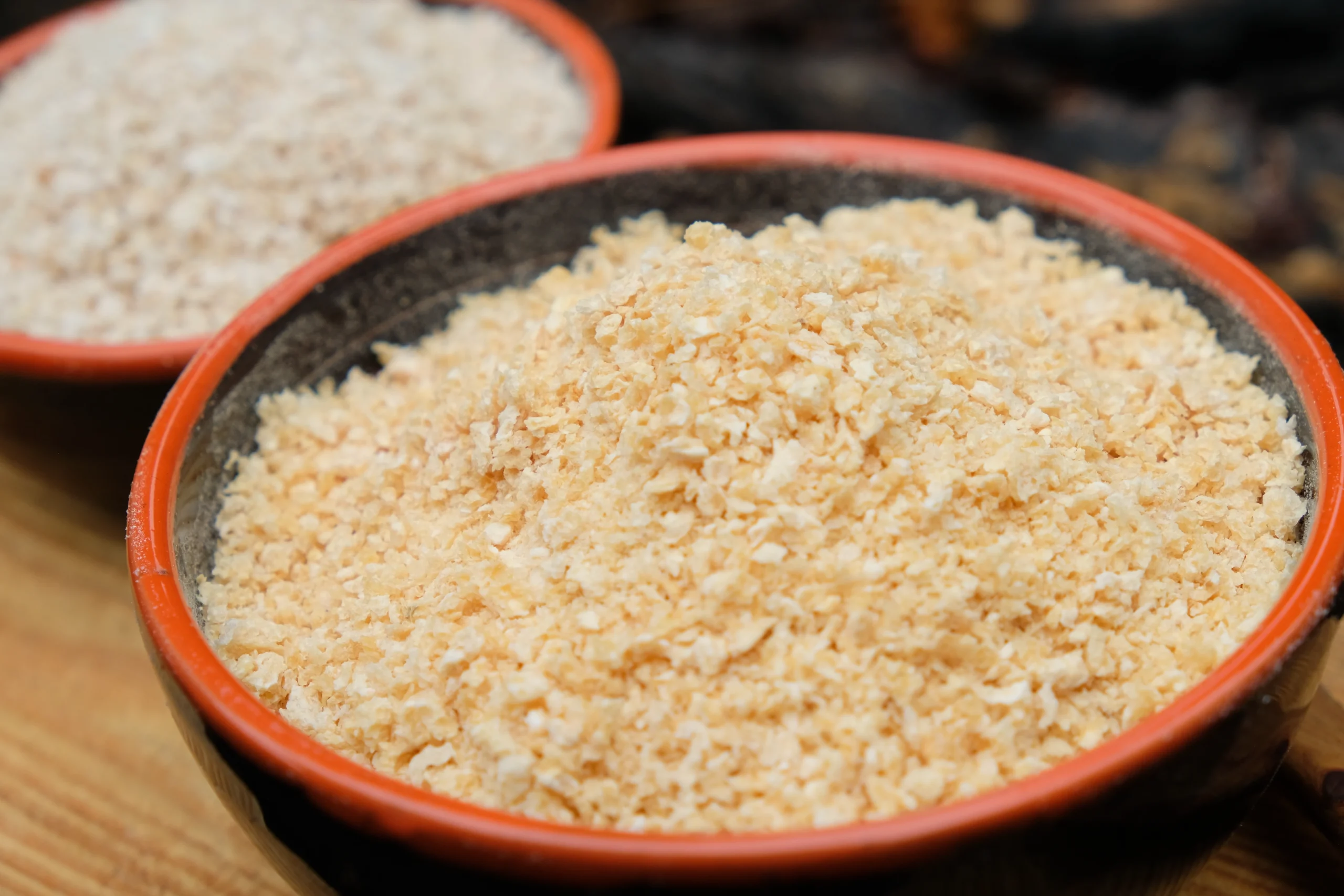
Production Line for Instant Porridge
complete Production Line for Instant Porridge
Processing Products

Extruded Porridge
from
3 t/d
0,8 - 5 mm flake
TECHNICAL SUPPORT ALL OVER THE WORLD
We manufacture machinery that seamlessly integrates into a complete instant porridge production line, tailored to meet our clients’ specific needs.
Main steps:
- mixing raw materials with other ingredients;
- extrusion cooking of the mixture;
- drying of the extrudate;
- crushing into granules;
- cooling and sieving
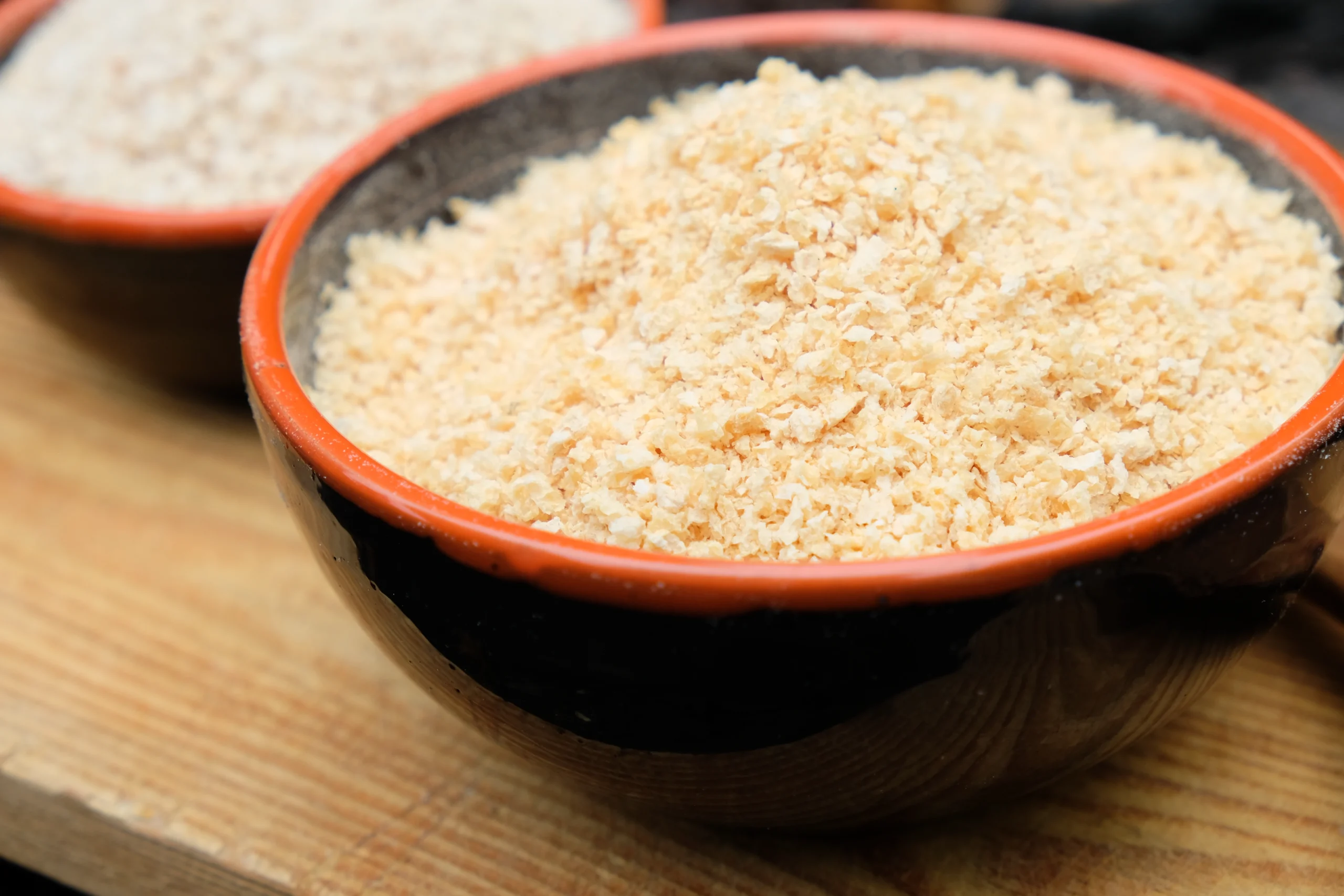
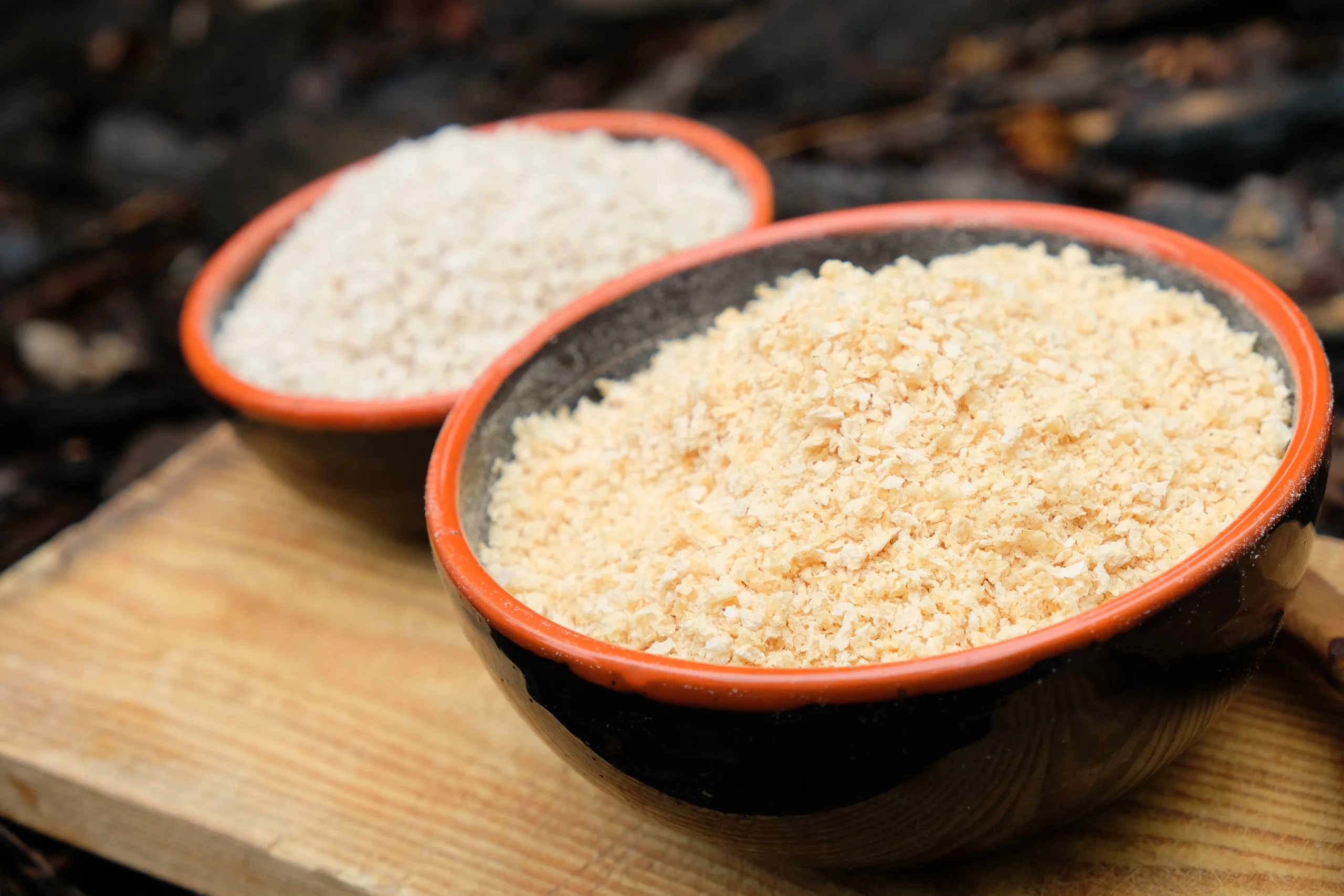
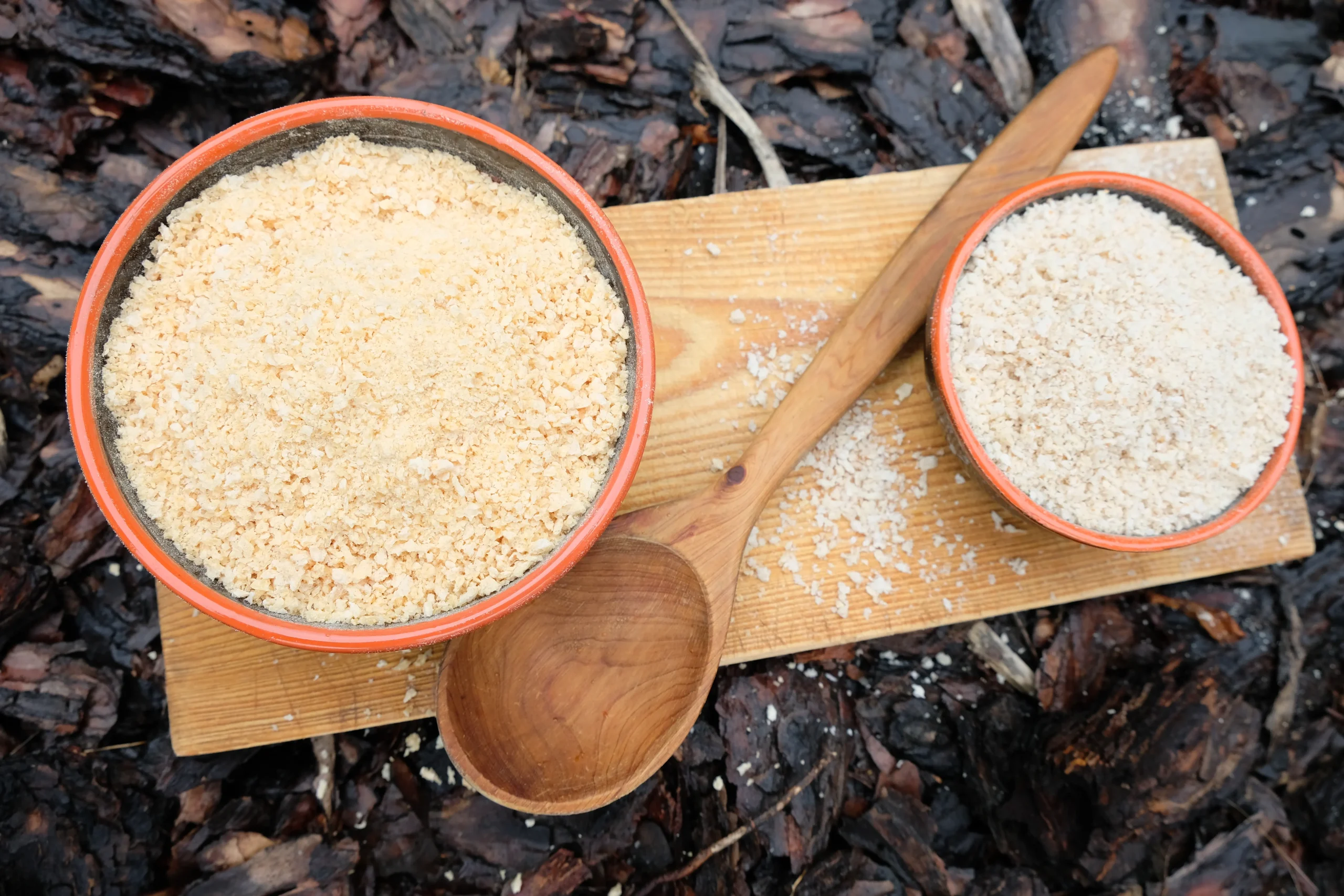
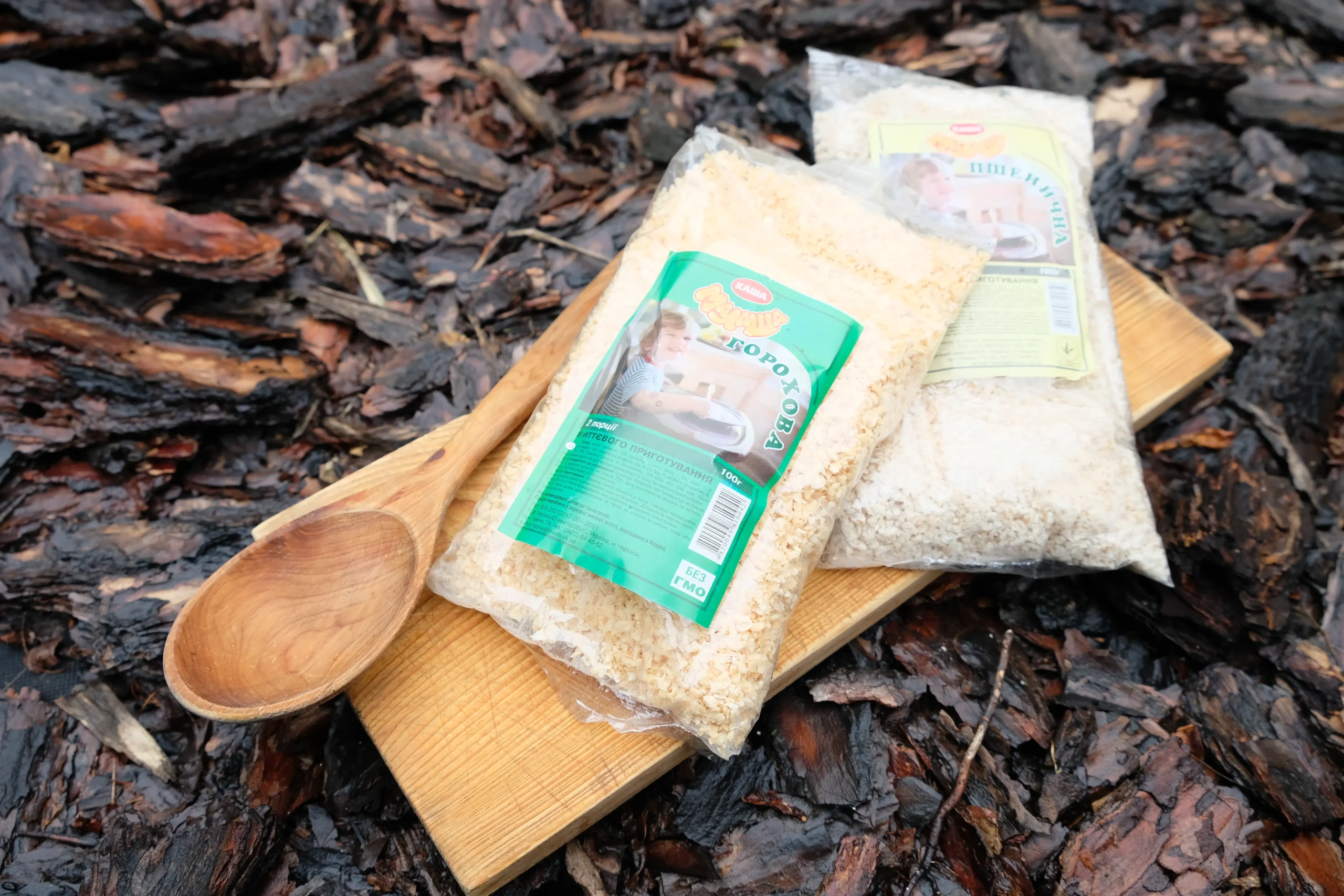
More information about extruded porridge
Extruded porridge is a quick-cooking product obtained by passing grain raw materials through an extruder under the influence of high temperature and pressure.
The extrusion process ensures a long shelf life of the finished product due to reduced moisture content and the destruction of pathogenic microorganisms.
The production of extruded porridge consists of several main stages: preparation and cleaning of the grain, moistening, grinding (if necessary), and then extrusion. During extrusion, the mixture of grain raw materials enters a screw extruder, where, under the influence of temperatures of 120–180°C and high pressure, rapid gelatinization of starch and destruction of cell walls occur. At the output, a porous, easily soluble extrudate is formed. The product is then dried to a low moisture content and packaged.
Extrusion allows for the combination of different types of grains, as well as the addition of functional ingredients (proteins, vitamins, minerals, fiber) to the recipe. This approach ensures high nutritional value and ease of preparation — you only need to pour boiling water over the extrudate.
Steps of porridge extrusion:
Raw material preparation:
- The groats must pass through a separator to remove large foreign objects and lumps.
Mixing and pre-conditioning:
- The mixture is moistened to 15–22% and heated.
Extrusion:
- The mixture is kneaded under pressure and heated for 15–25 seconds;
- The raw material is plasticized;
- The product, heated to 100–130 °C, exits the working part of the extruder and expands in volume by 3-4 times;
- The product is cut with a knife divider into pieces 15–30 mm long.
Drying and cooling:
- The pieces of extruded breading are dried to 10-12% moisture.
Grinding:
- The dried extrudate passes through a roller crusher and is crushed to a fraction of 2-4 mm.
Sorting:
- In a sieve separator, fractions less than 2 mm and more than 5 mm are removed from the product;
- The fraction less than 2 mm is returned to the raw material preparation stage, and the fraction more than 5 mm is sent for re-grinding.
Packaging:
- The finished breading is packed in bags or sacks, depending on the order parameters.
LAYOUT SOLUTIONS
Our equipment meets your space
ENVISION & PREDICT
Making a layout ahead of time helps you picture the project. It also gives you a clear idea of what is needed for construction, where equipment will go, how much energy will be used, and how materials will move through the facility.
It helps answer these questions:
- if your premises, territory, access roads and power substation are suitable for the implementation of the project;
- what is the project budget.
LAYOUT SOLUTION - WHAT IS IT?
Includes:
- our specialist’s visit to your site;
- measuring the premises;
- coordinating your vision, capabilities and resources;
- making a draft of the technological line – for the conditions of your site;
- preparing a specification of the necessary equipment – for your conditions.
CONTACT OUR
 EXPERTS
TECHNICAL SUPPORT
We ensure this
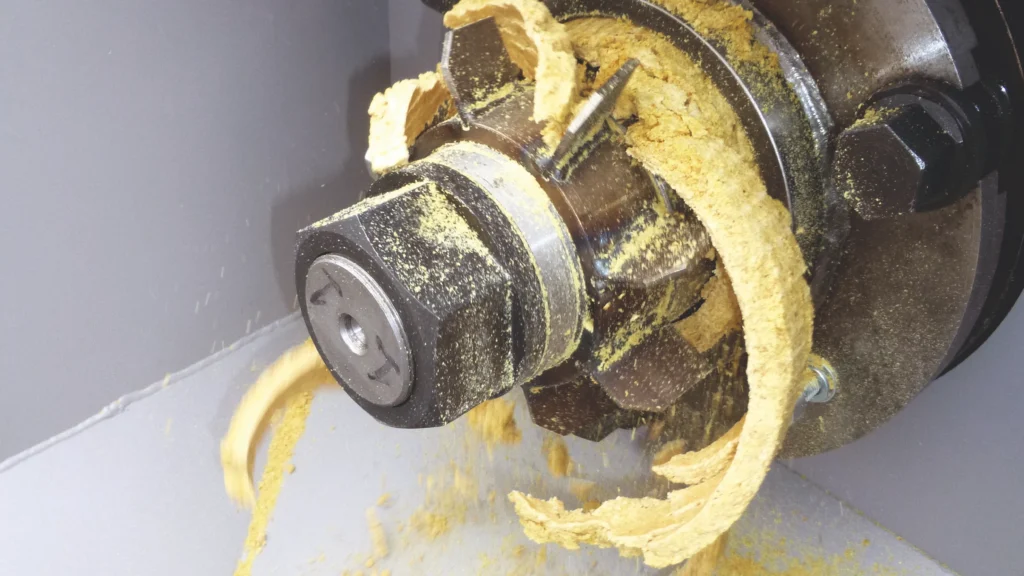
HOW TO PROCESS SOY INTO OIL CAKE
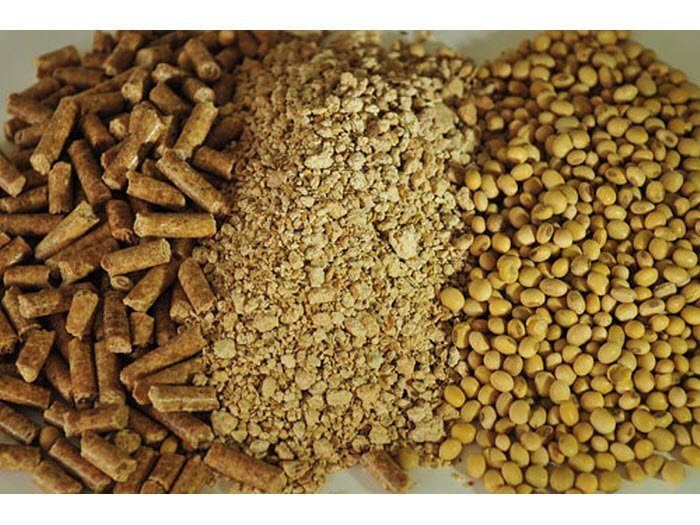
The oil cake is a product resulted from mechanical oil extraction from oilseed in our case we press the oil from the extruded full fat soy meal.
SOY PRESS CAKE AND SOY SOLVENT CAKE
Soybean press cake also known as an oil cake is a product resulting from the mechanical soy extraction with the help of oil press.Solvent cake is a product passed through a solvent extraction and chemical soy defatting.
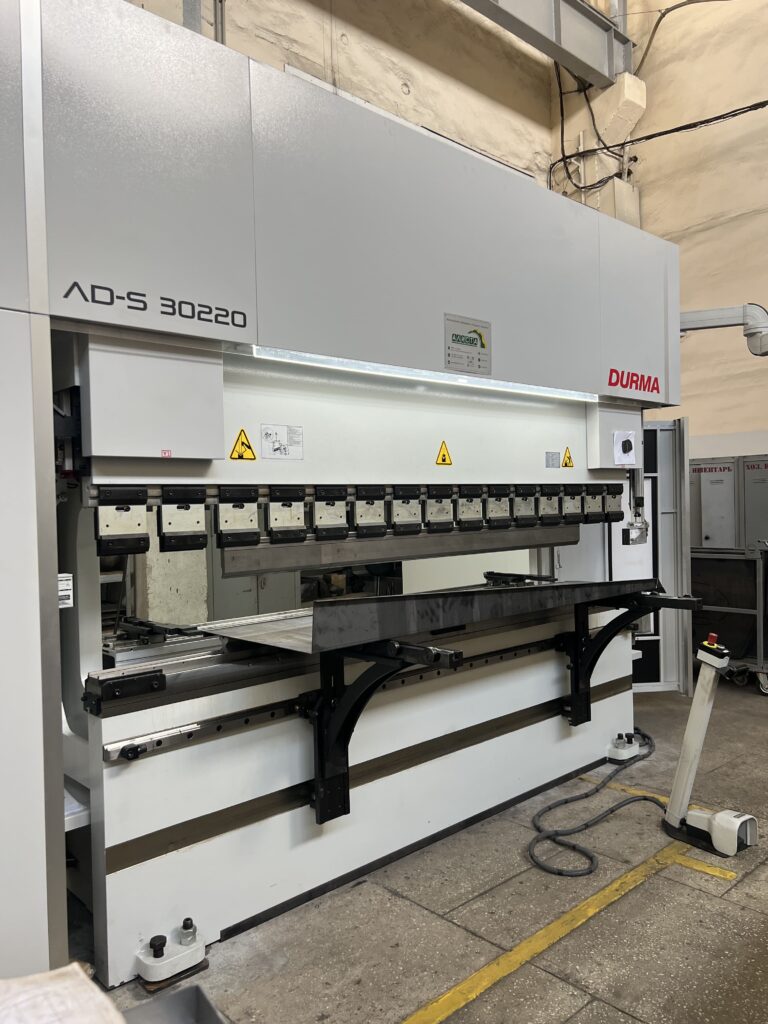
BRONTO Upgrades Production:
New CNC Press Brake by Durma for Faster, More Precise Equipment Manufacturing
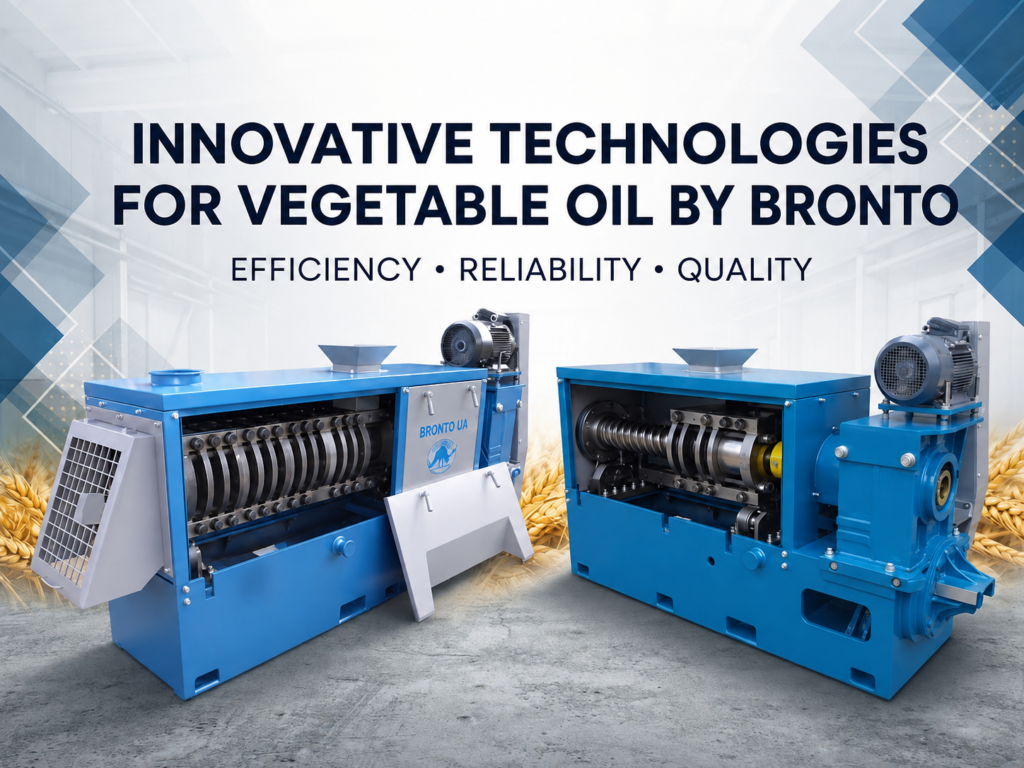
Top 5 questions buyers of oil presses ask before making a purchase
Before signing a contract for an oil press, every buyer goes through the same set of concerns: how much does it cost, when will it arrive, is this equipment a ‘pig in a poke’, and is the manufacturer even trustworthy? We’ve compiled the top 5 questions we’re asked most often about BRONTO presses — and honest answers to each of them.