
When a customer chooses an oil press or an extruder, they rarely see the people behind the scenes who decide what pressing temperature is best suited to their raw materials, whether the seed chamber can handle a particular variety of rapeseed, and why one model produces oilcake with an oil content of 8 per cent whilst another produces oilcake with a higher oil content. We’d like to give you a little glimpse behind the scenes – not to talk about the equipment models themselves, but to explain how the team that designs, tests and refines them works.
BRONTO’s R&D department is not a single office with just one designer. It comprises engineers, process engineers and testing specialists who work closely together at every stage: from the client’s first call describing the raw materials to the final commissioning of the line at the client’s site.
This division of roles is a conscious choice. Equipment for processing oilseeds involves too many variables — moisture content, contamination, the specific characteristics of the raw materials, and climatic storage conditions — to rely on the experience of a single person. Solutions emerge at the intersection of several areas of expertise: press mechanics, extrusion thermodynamics and practical experience with similar projects in various countries.
We deliberately avoid focusing this work on specific individuals — not because people are unimportant, but because the result is always a team effort, and it is the team, rather than any one individual, that is responsible for the advice the client receives.
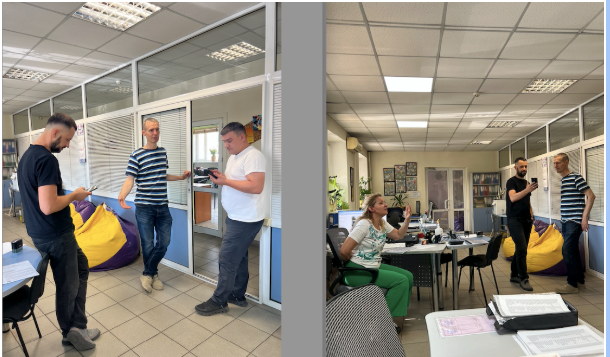
The department’s guiding principle is simple – no equipment recommendation is made without testing a real sample of the client’s raw material.
This means that before proposing a specific model of press or extruder, the team:
This approach is slower than simply selecting a model from a catalogue. But it is precisely this that distinguishes an engineering recommendation from a ‘rule-of-thumb’ sale — an approach that often lies behind cheap alternatives which cannot withstand real-world operating conditions. This ensures our equipment has a sufficient margin of reliability.
BRONTO has been manufacturing extrusion and pressing equipment for over 40 years. During this time, the department has handled hundreds of projects — ranging from small production lines for animal feed manufacturers to industrial complexes for processing rapeseed and soya for export.
The team’s key working principle is that this experience does not remain ‘in the head’ of any one specialist. Every new project is documented: raw material parameters, the selected operating mode, and the result achieved. This forms an internal knowledge base which the team draws on during subsequent projects — regardless of who is specifically managing a particular order.
The practical benefit for the client is a saving of time in achieving their objectives. The advice provided does not depend on which specialist they are speaking to. The response is based on the accumulated experience of the entire department, rather than the personal memory of a single individual.
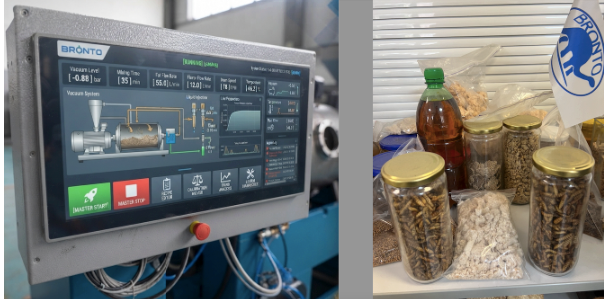
Two illustrative examples from the department’s portfolio:
Huilerie de Chambarand (France). The team worked on modernising the OP-1000 press to meet the specific requirements of a French oil producer — revising the processing parameters to suit local raw materials and improving the stability of the final product.
KAL SYSTEM (Hungary). A project for a soya processing line, where the department selected the equipment configuration to suit the customer’s raw material volumes and parameters, rather than offering a standard ‘off-the-shelf’ solution.
In both cases, the approach was the same: first, to understand the raw materials and the customer’s requirements, and then to address the equipment.
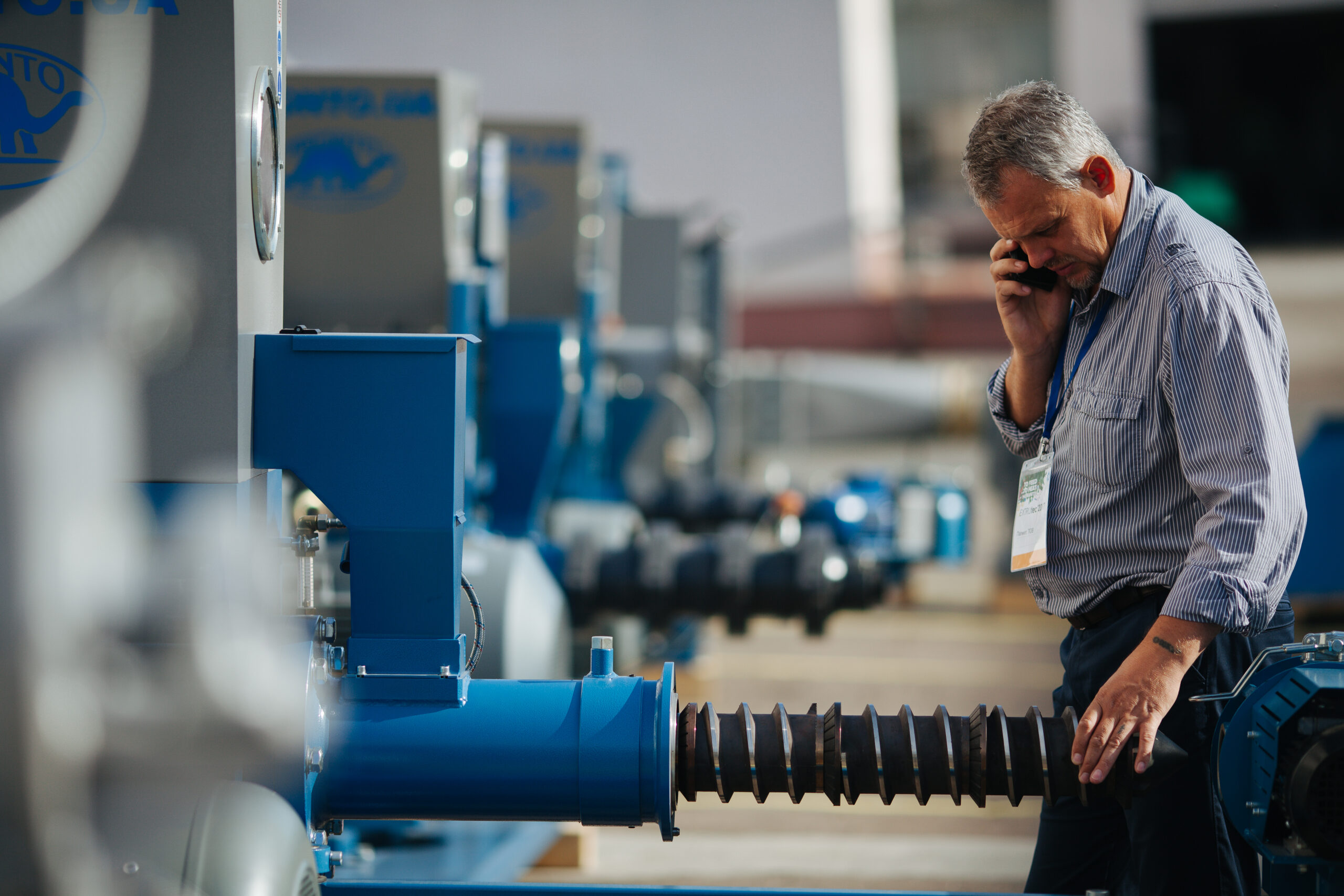
The team is currently working actively on enquiries from processors in Nigeria and Ethiopia, where the raw materials – local varieties of sunflower and groundnuts – as well as storage conditions and moisture levels differ significantly from what is customary in Ukrainian or European practice. This is precisely the kind of situation where an institutional, rather than a ‘heroic’, approach to engineering gives us an edge: solutions are developed on the basis of systematic testing, rather than a one-off assessment by a single individual who may be unavailable when the client needs an answer.
This is what we believe in: reliable equipment is not the result of a single successful decision, but of a system that verifies every decision before it reaches the client.
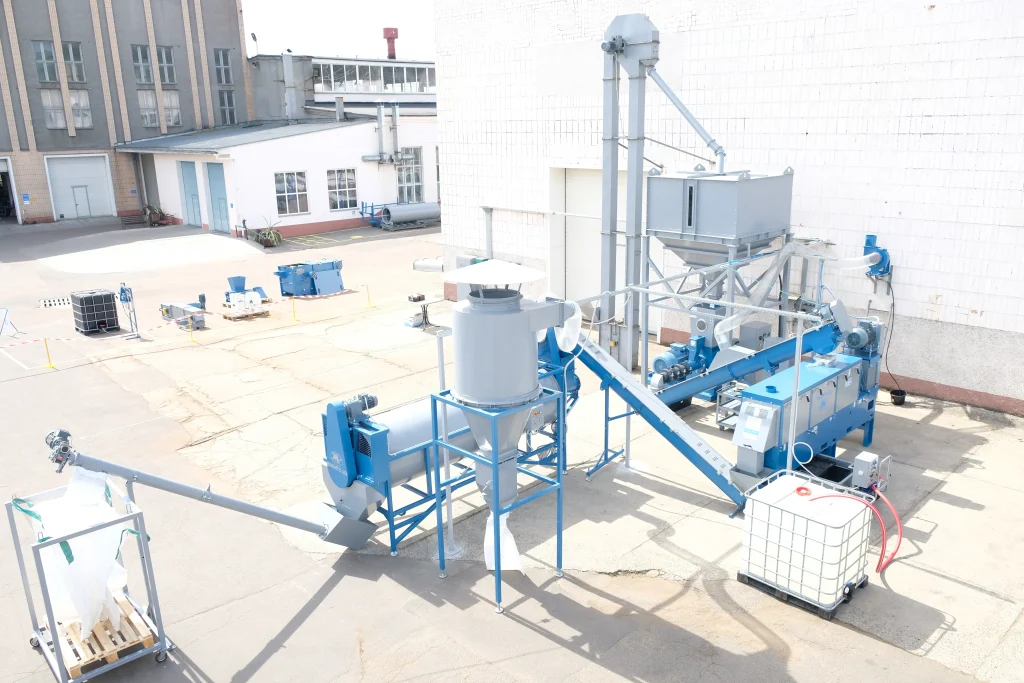
Soybean processing flow:
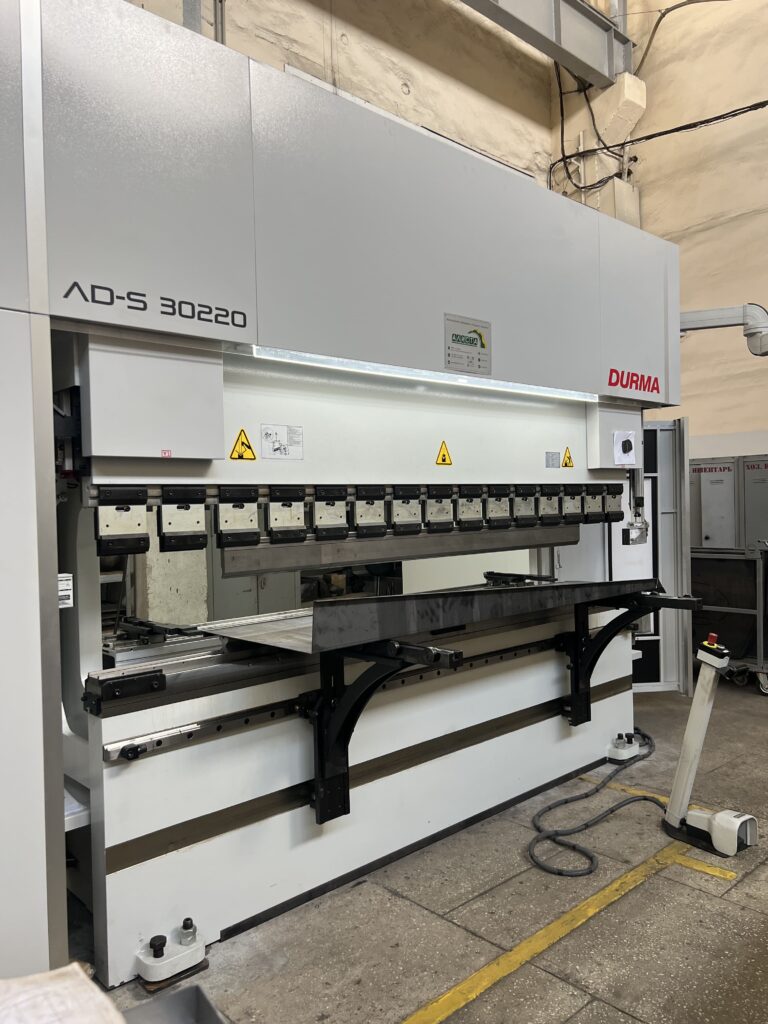
New CNC Press Brake by Durma for Faster, More Precise Equipment Manufacturing
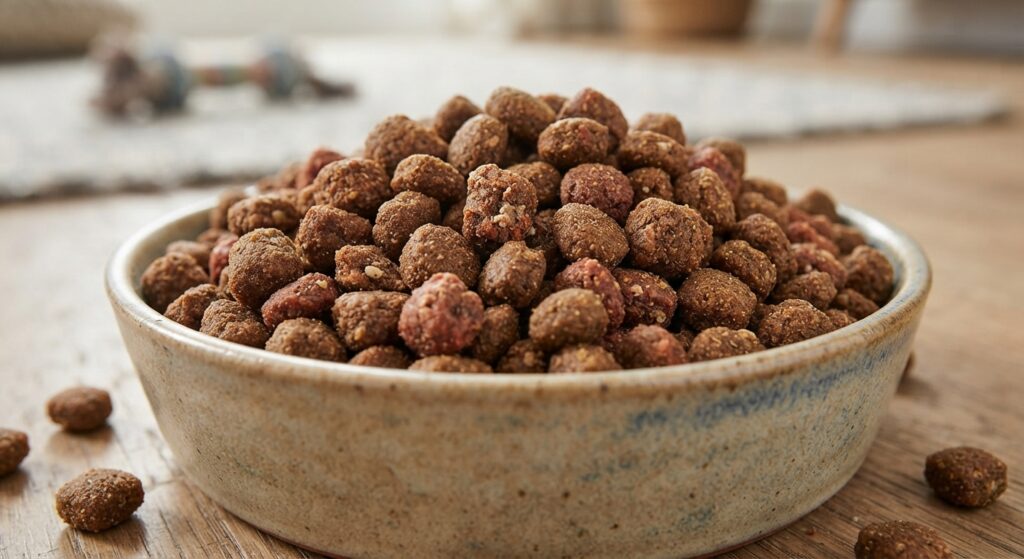
The same BRONTO technological platform — a single-screw extruder, belt dryer, vacuum cooler and pellet cooler — allows for the production of feed with completely different purposes, depending on the recipe and various settings. The difference lies not in the equipment itself, but in how it is configured: the extrusion temperature, the degree of pellet expansion, the moisture content of the mixture and the method of adding fats determine whether the line will produce dry dog food, floating pellets for tilapia or complete feed for poultry. Let’s take a look at the types of feed that are actually produced on BRONTO lines.
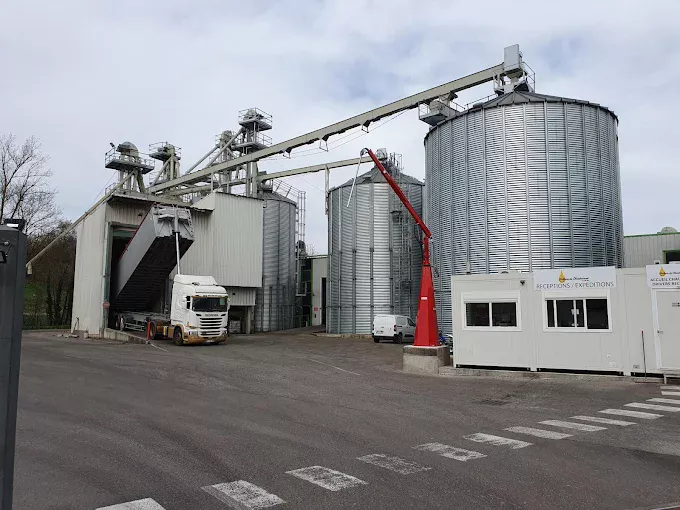
how BRONTO helped Huilerie de Chambarand take its technology to the next level
 EXPERTS
