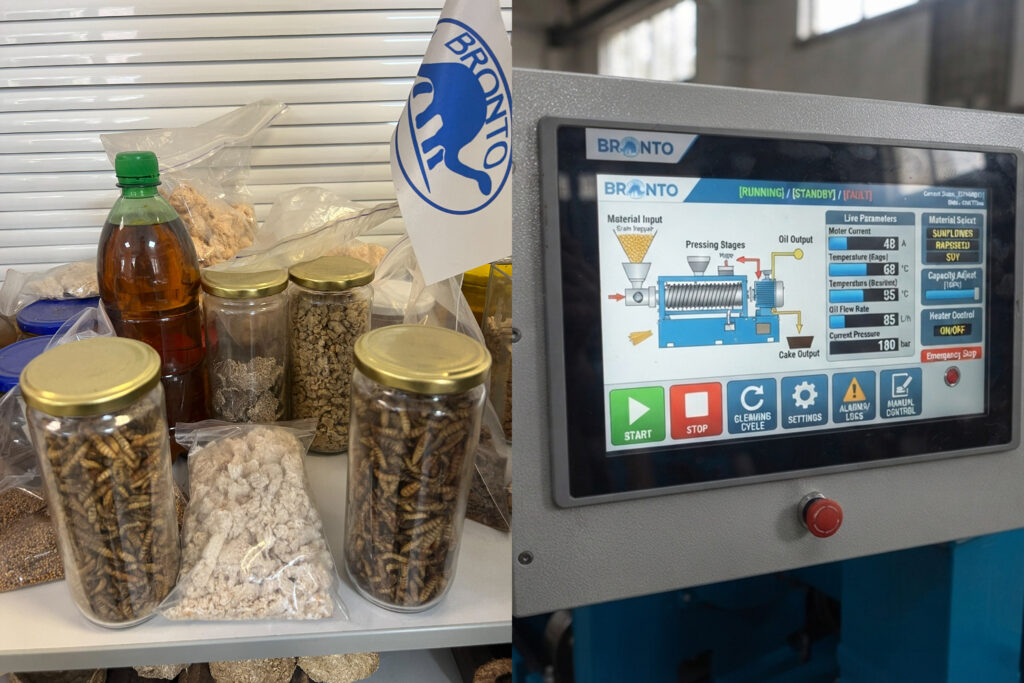
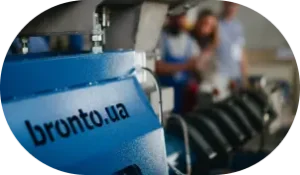
When a customer chooses an oil press or an extruder, they rarely see the people behind the scenes who decide what pressing temperature is best suited to their raw materials, whether the seed chamber can handle a particular variety of rapeseed, and why one model produces oilcake with an oil content of 8 per cent whilst another produces oilcake with a higher oil content. We’d like to give you a little glimpse behind the scenes – not to talk about the equipment models themselves, but to explain how the team that designs, tests and refines them works.
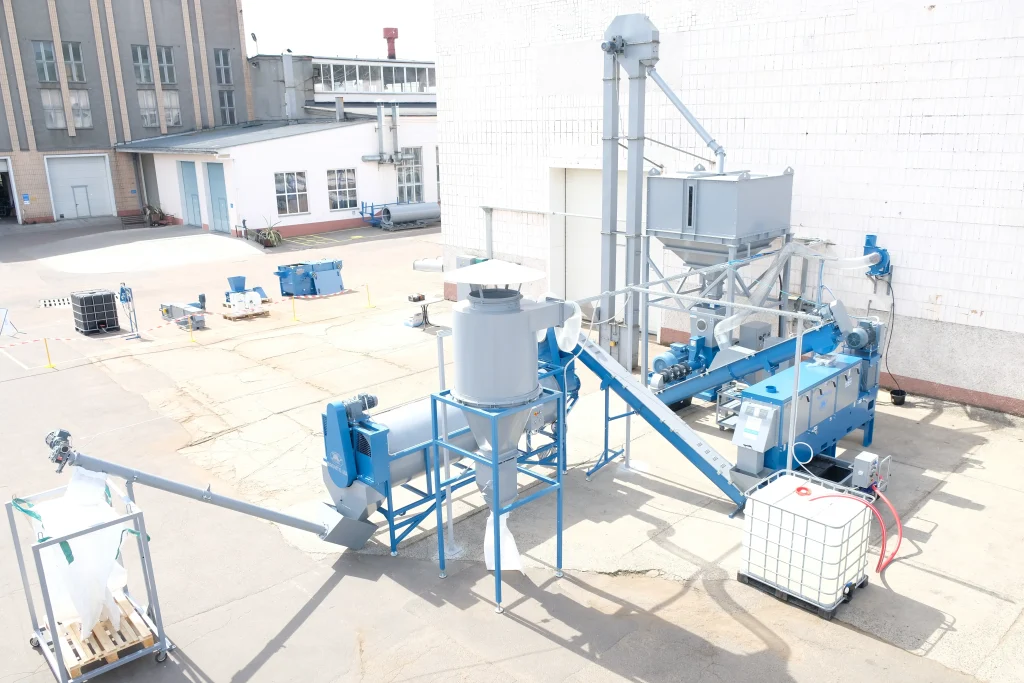
Soybean processing flow:
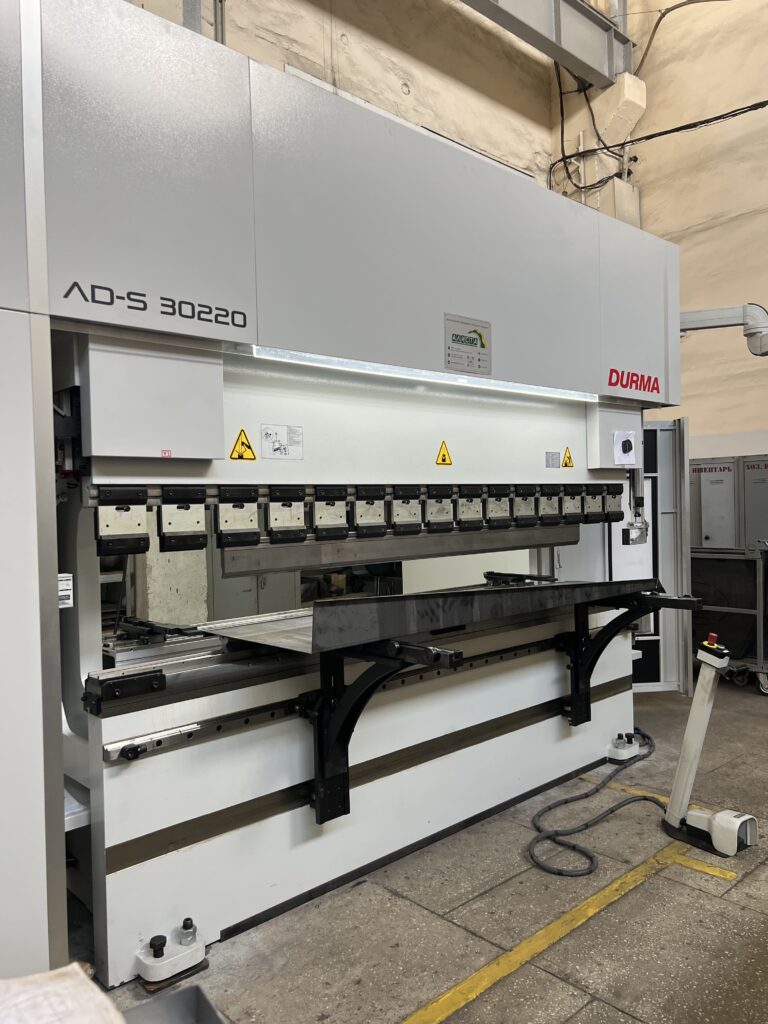
New CNC Press Brake by Durma for Faster, More Precise Equipment Manufacturing
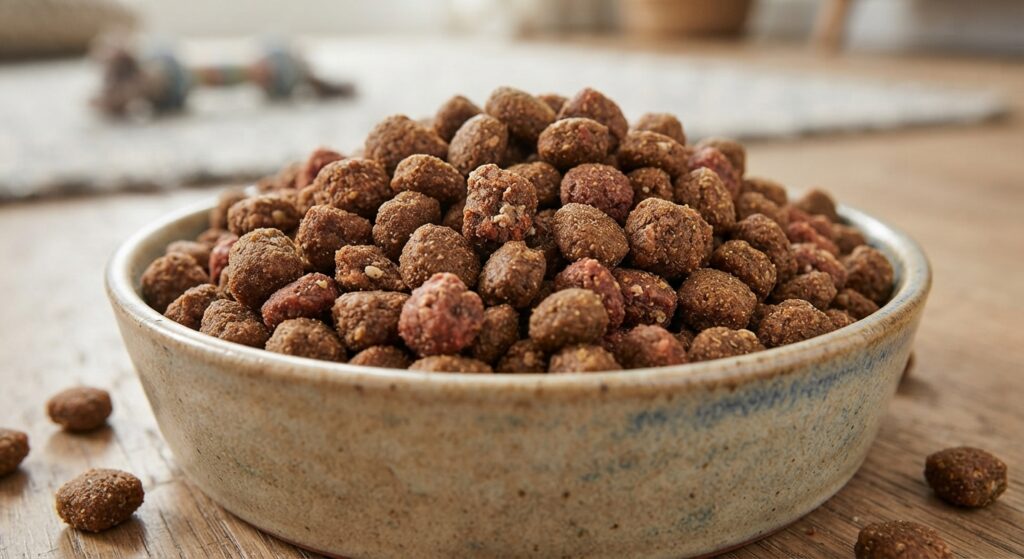
The same BRONTO technological platform — a single-screw extruder, belt dryer, vacuum cooler and pellet cooler — allows for the production of feed with completely different purposes, depending on the recipe and various settings. The difference lies not in the equipment itself, but in how it is configured: the extrusion temperature, the degree of pellet expansion, the moisture content of the mixture and the method of adding fats determine whether the line will produce dry dog food, floating pellets for tilapia or complete feed for poultry. Let’s take a look at the types of feed that are actually produced on BRONTO lines.
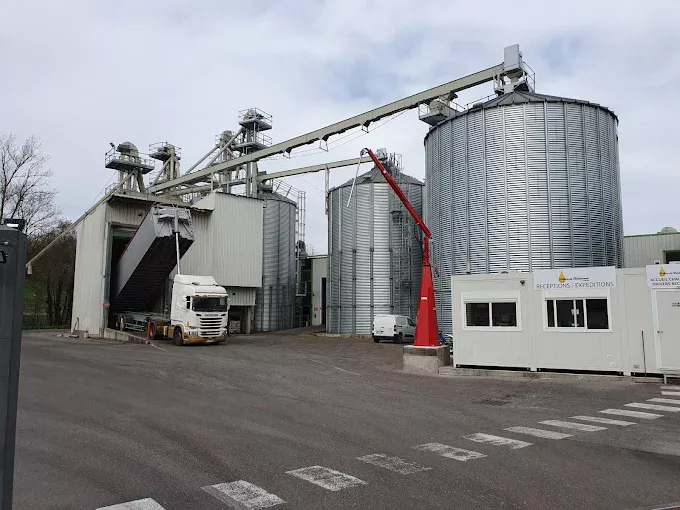
how BRONTO helped Huilerie de Chambarand take its technology to the next level
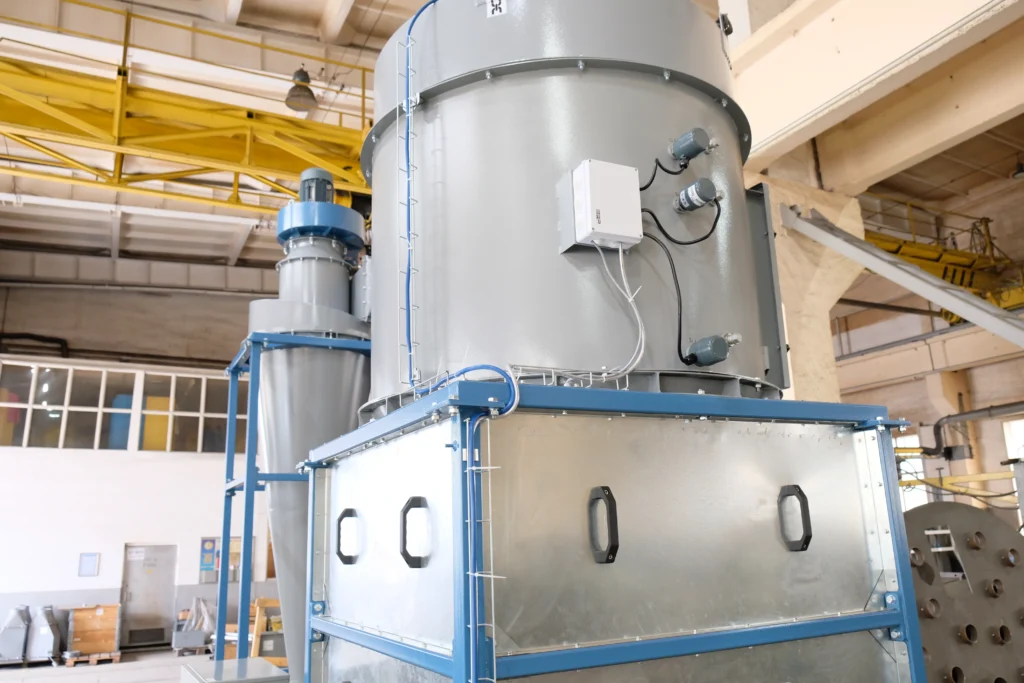
Our new product, the CH cooler, has been launched.
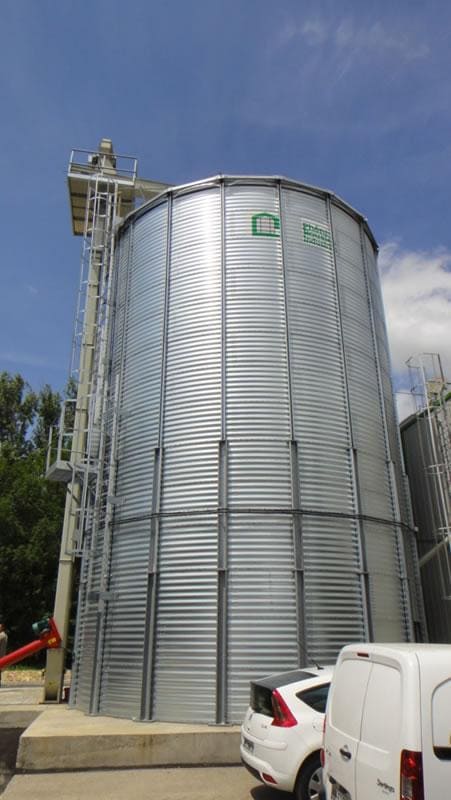
Sector: agricultural processing, grain storage and animal feed equipment Market: Hungary Partner: KAL SYSTEM (dealer for Cherkasyelevatormash equipment).
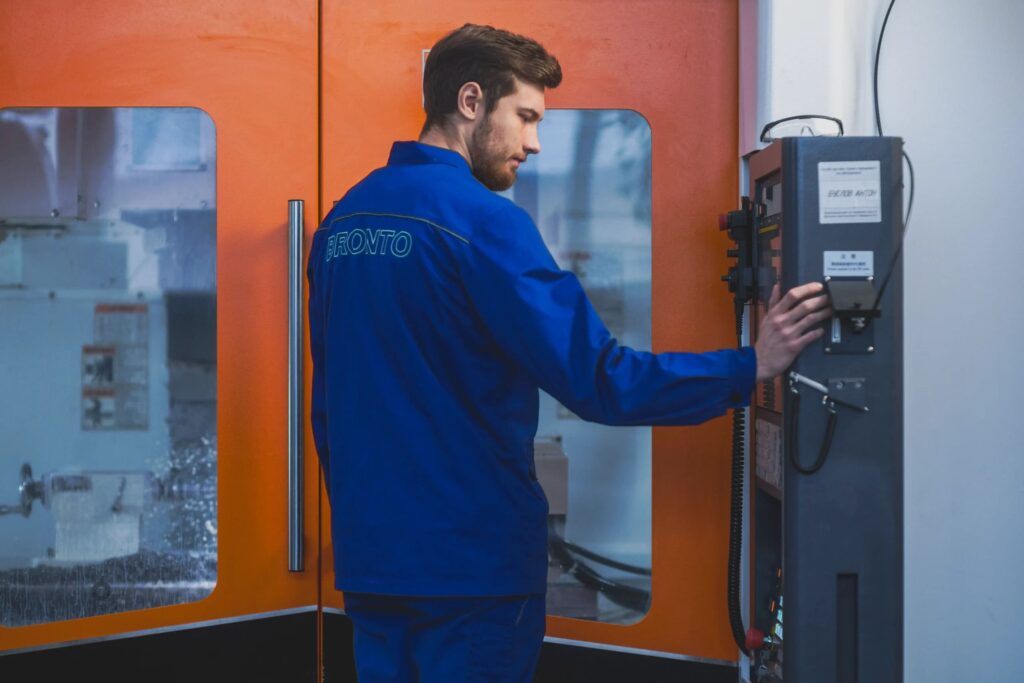
A major upgrade of equipment has taken place at the BRONTO factory’s production facilities. We have taken another step towards excellence by replacing outdated, older-generation German-made machine tools with an automated CNC system from South Korea and the latest software.

Romania, which joined the European Union in 2007, has gone through a challenging transformation of its agricultural sector. The legacy of the socialist era left the country with highly fragmented farmland and a predominance of small-scale farms, where the level of technical equipment was far below modern standards. Under such conditions, achieving high production efficiency remained a serious challenge for local farmers for many years.
 EXPERTS
