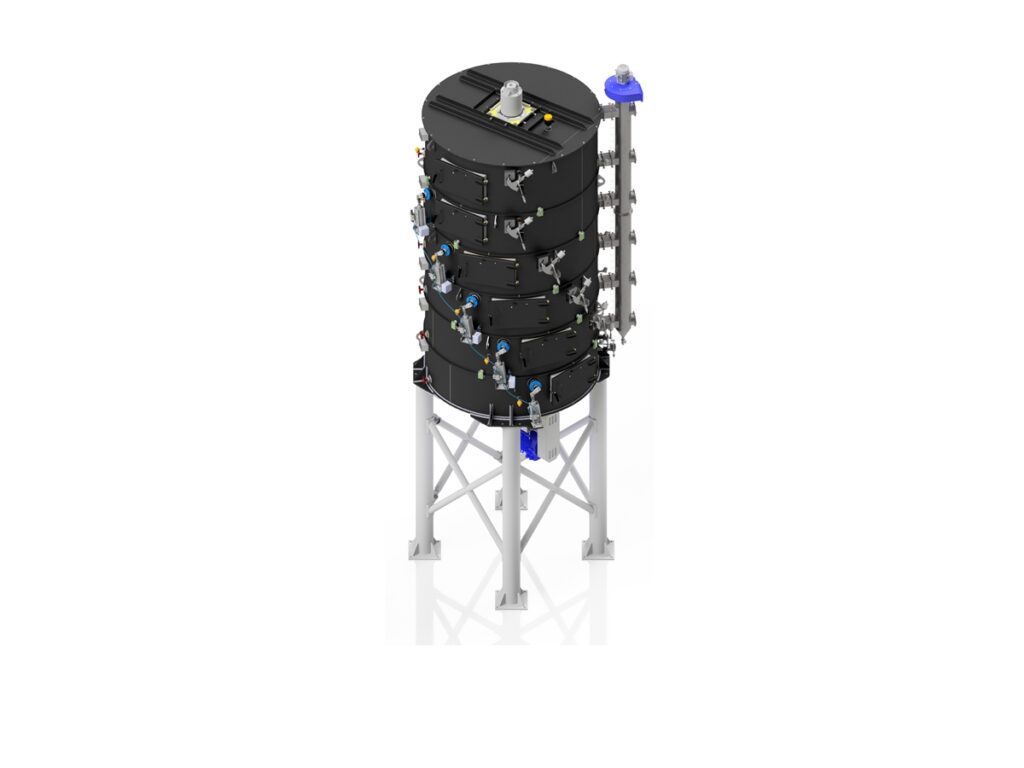
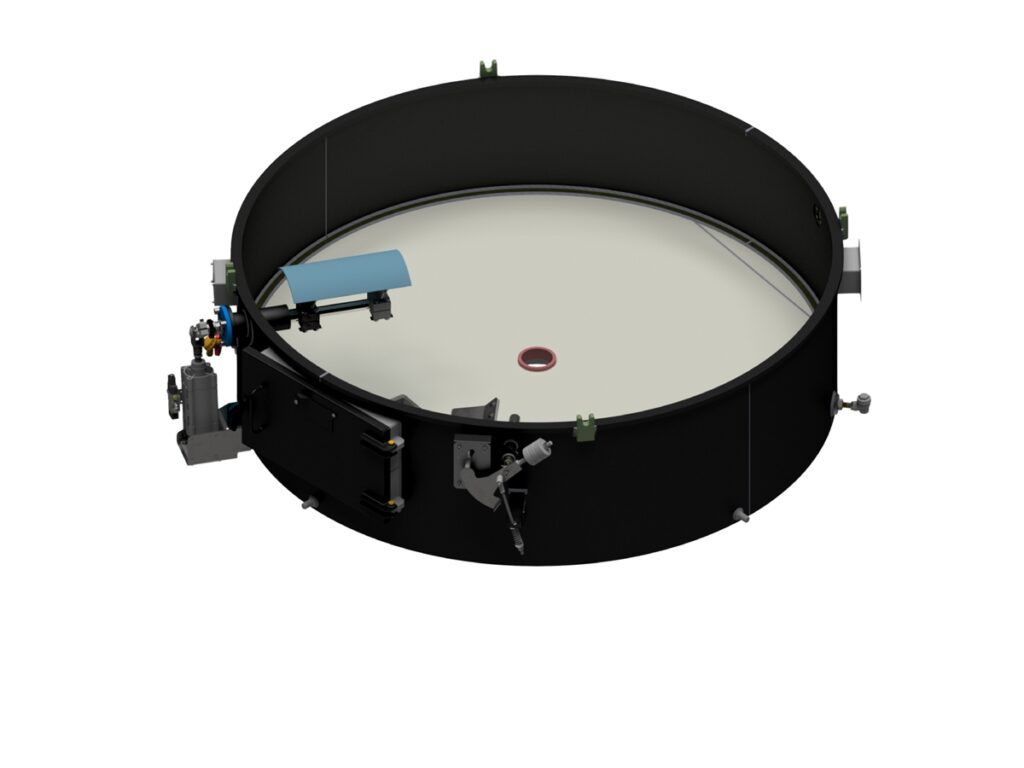
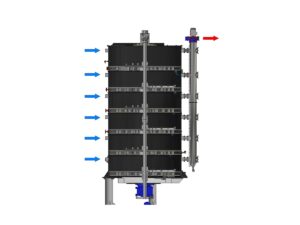
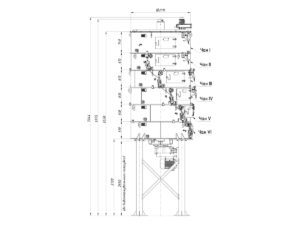
Mint moistened to 12.5% enters the upper 1st vat from the inactivator

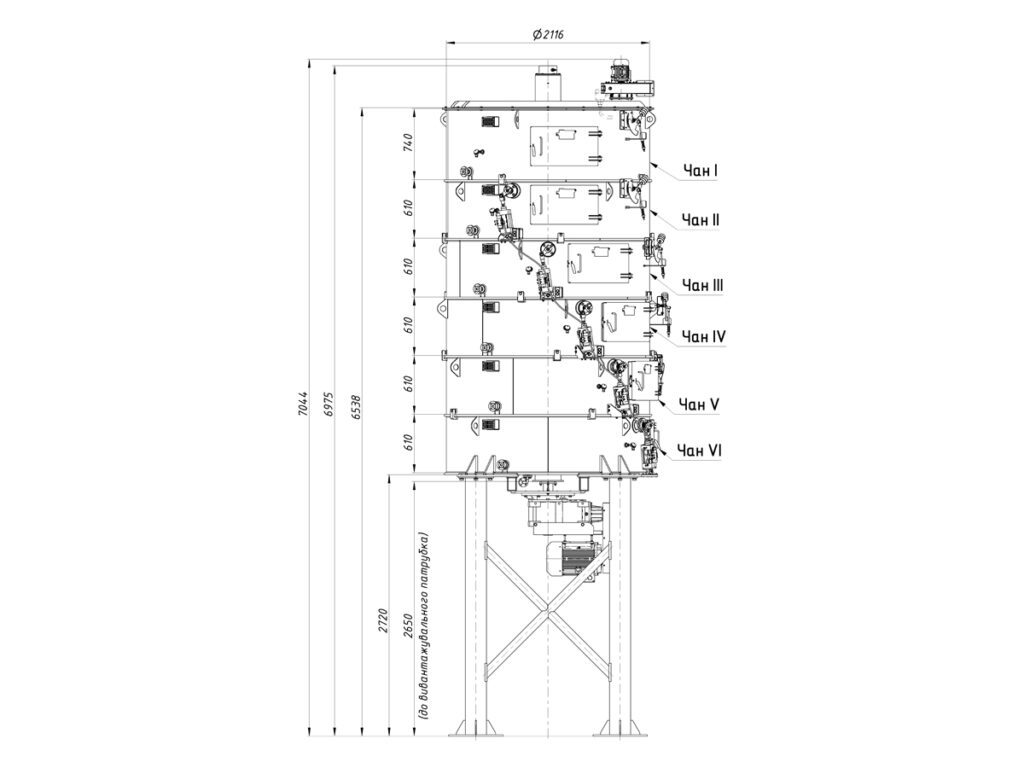
The height of the 1st tank is 740 mm. This is done to increase the height of the layer of raw materials and the residence time – to ensure steaming before roasting. Here the raw materials stay for up to 15 minutes.
Moistening up to 12.5% and roasting mint up to 115 ºС:
- ensure the production of aromatic oil on forpresses without changes in the triglyceride composition and with a dissolved content of 0.13 to 0.35% phosphatides
The height of the mint layer in the roaster:
- in the 1st tank: up to 400 mm
- in all the following tanks: up to 300 mm
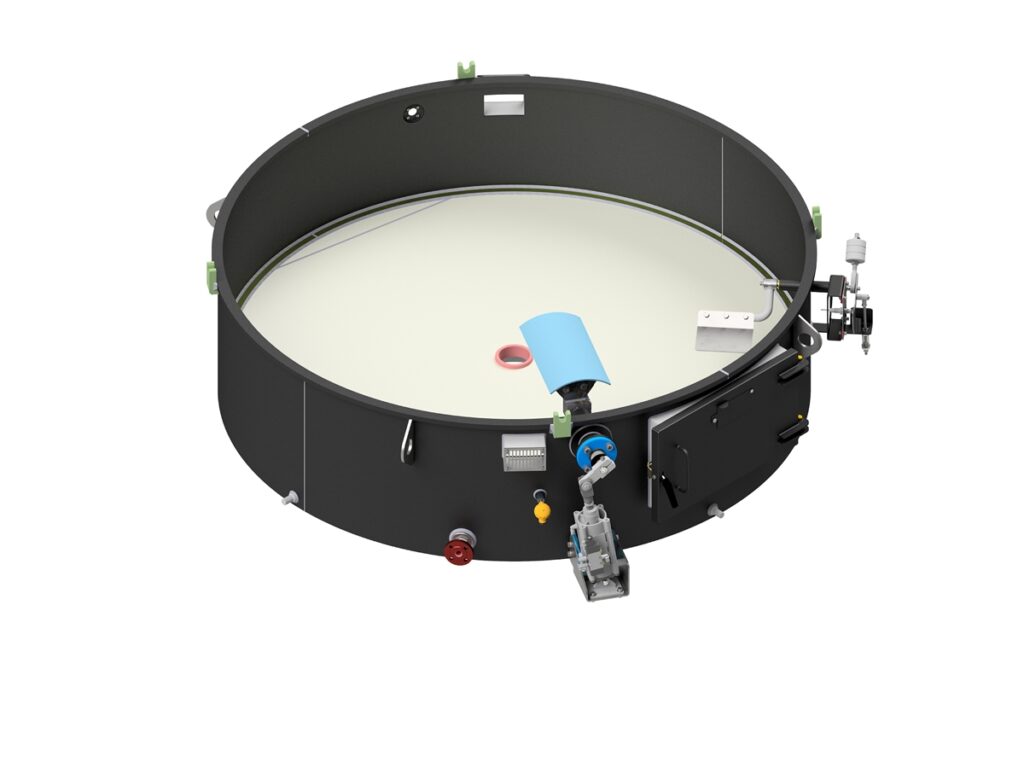
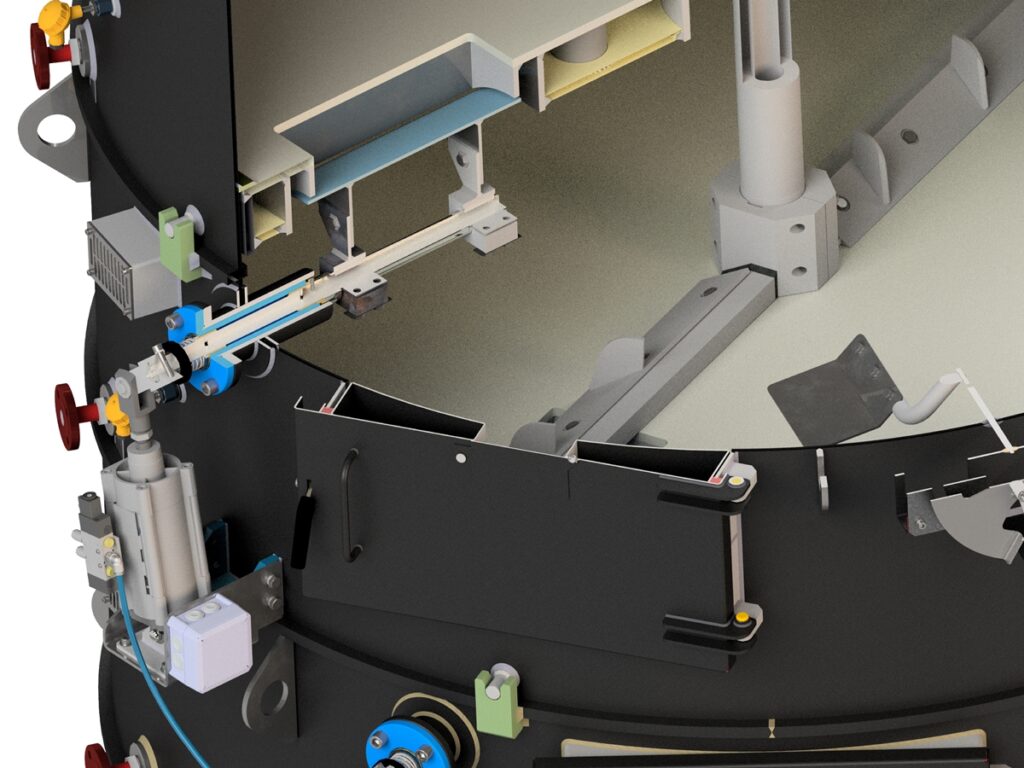
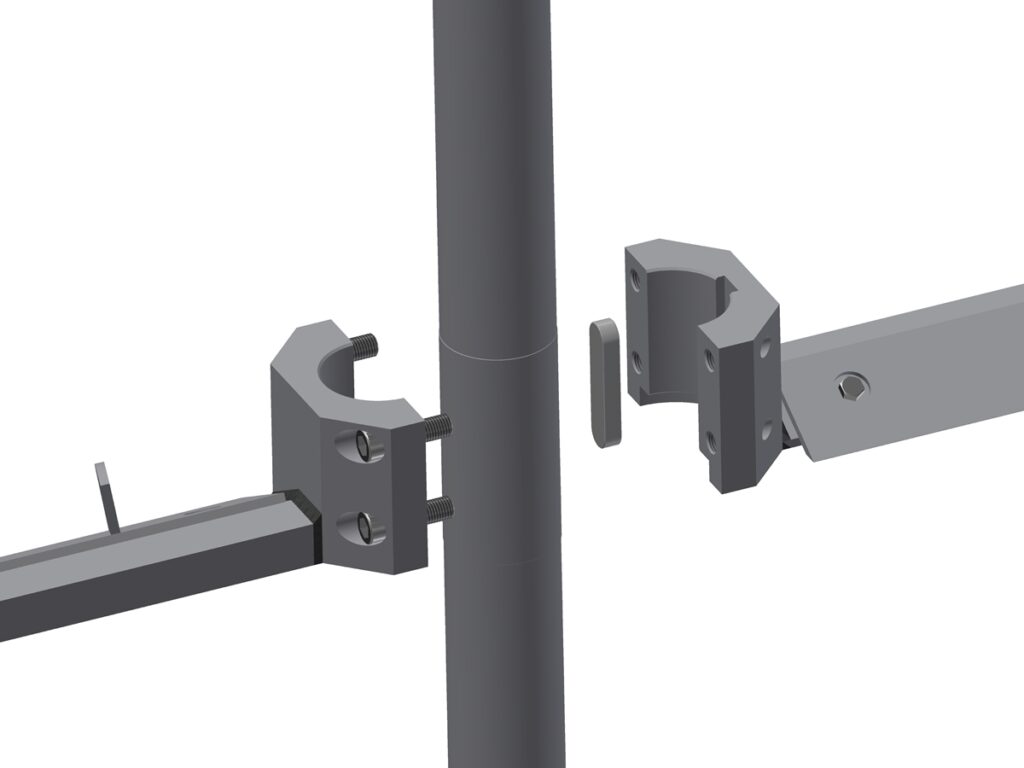
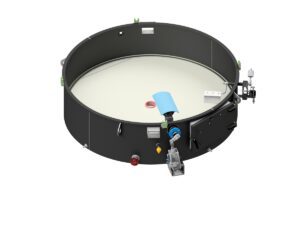
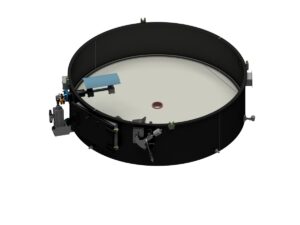
In all tanks, raw materials are moved and mixed with the help of special paddles:
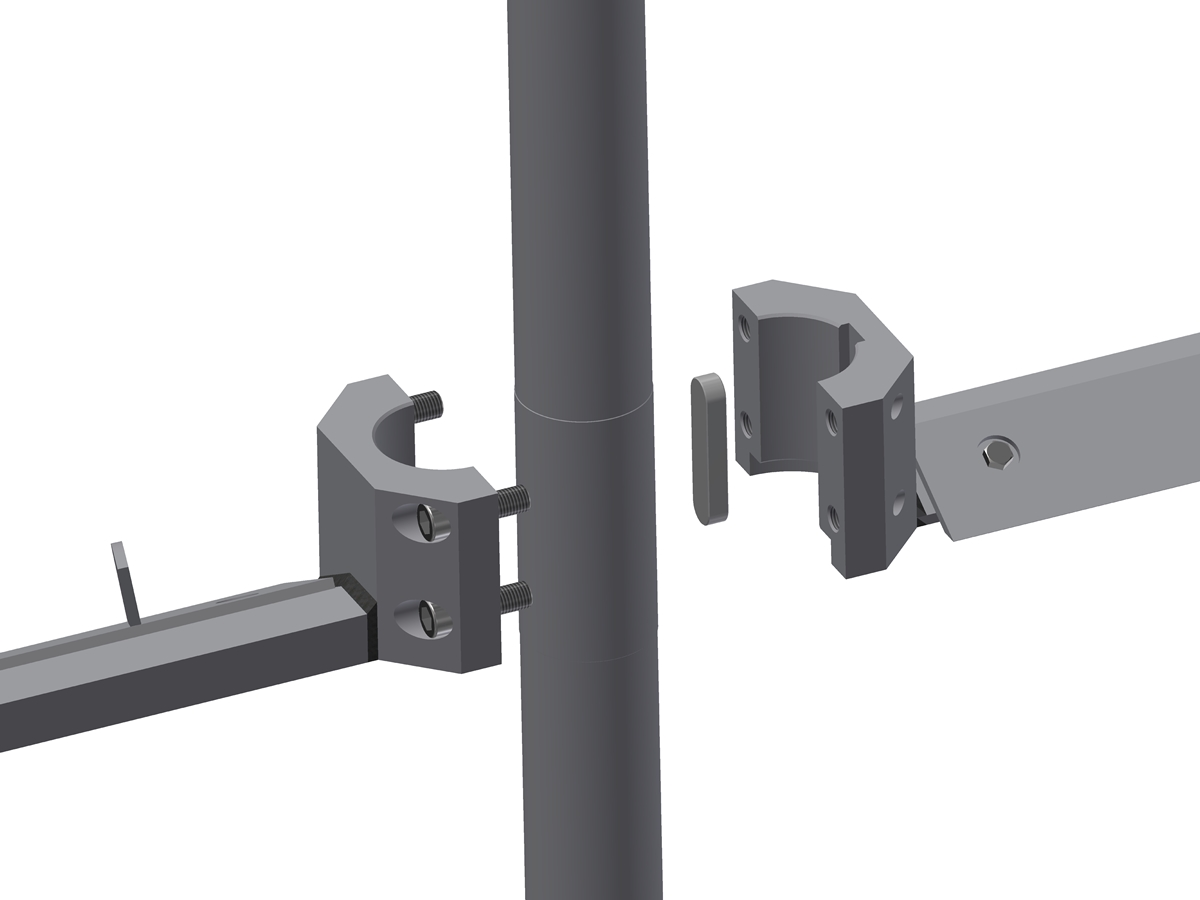
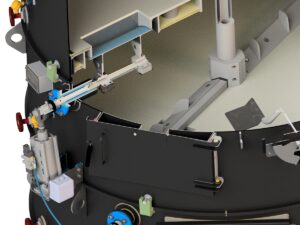
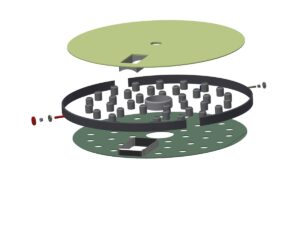
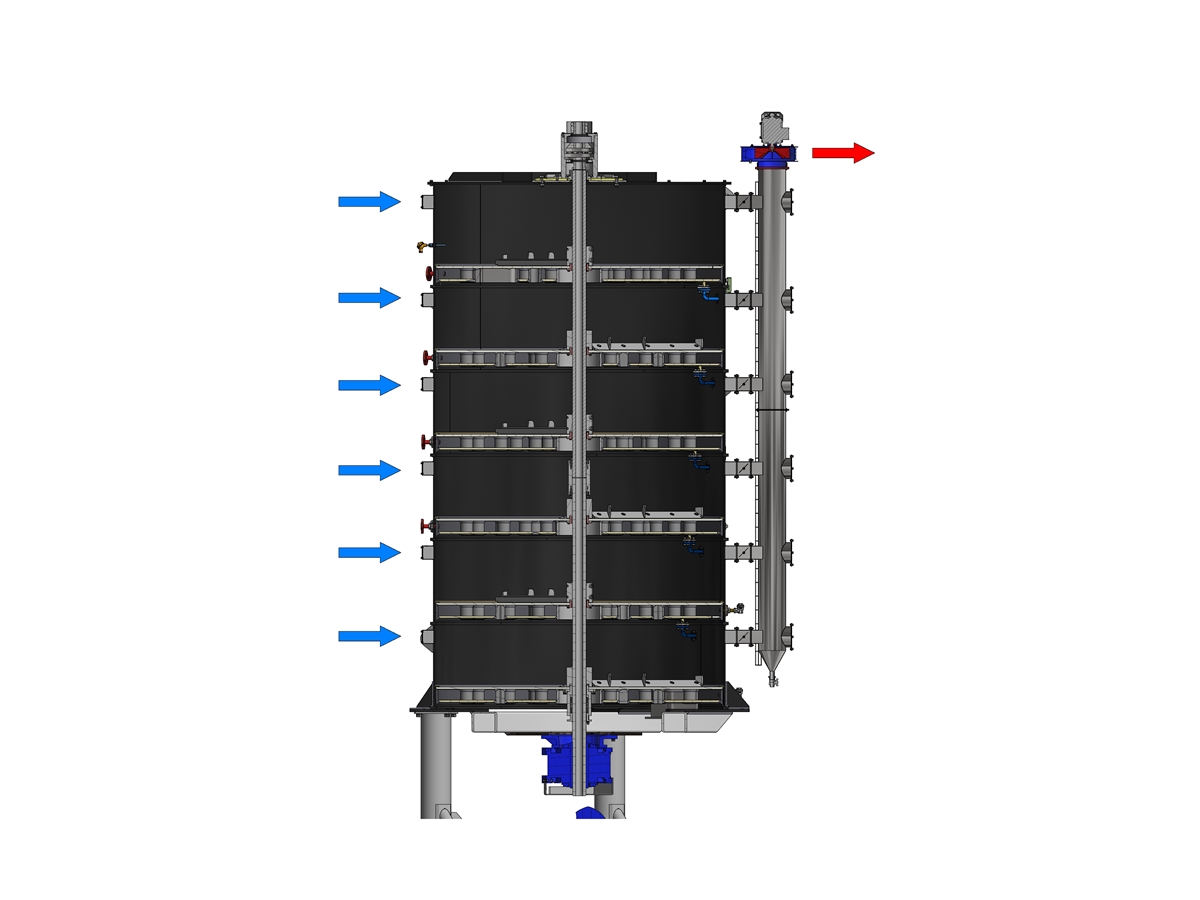
Each tank is equipped with:
- level sensor
- temperature sensor
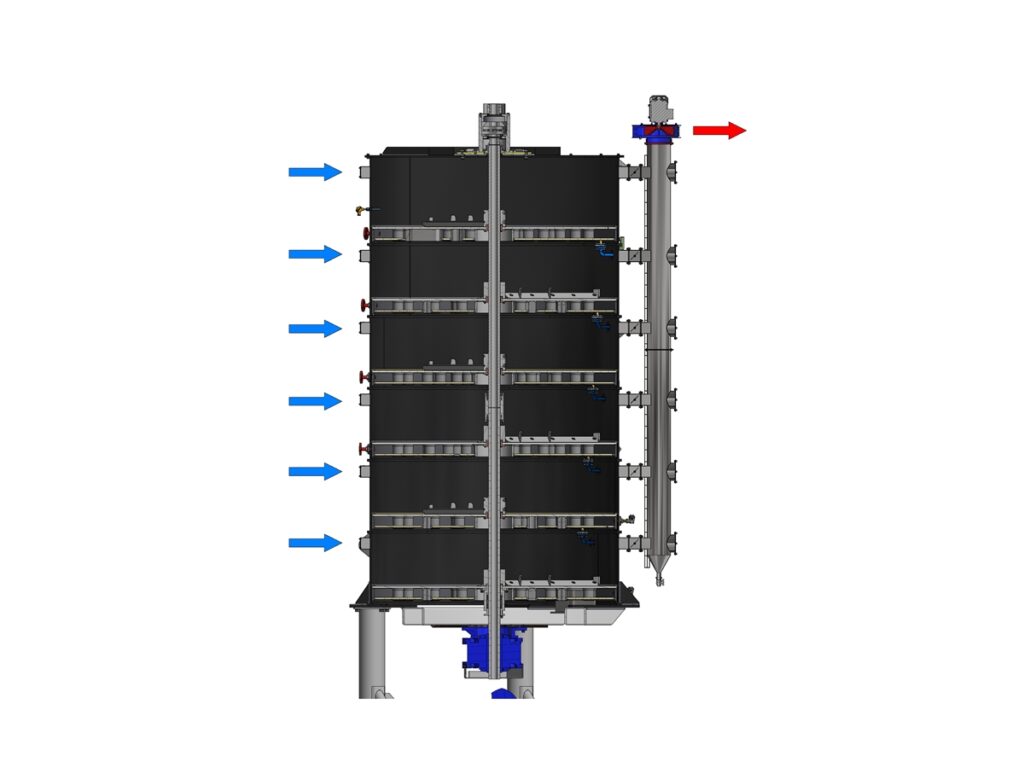
Raw materials are poured from the upper tank to the lower one using automatic valves.
From the 6th lower vat comes a mint with:
- humidity 6%;
- with a temperature of 115 ºС
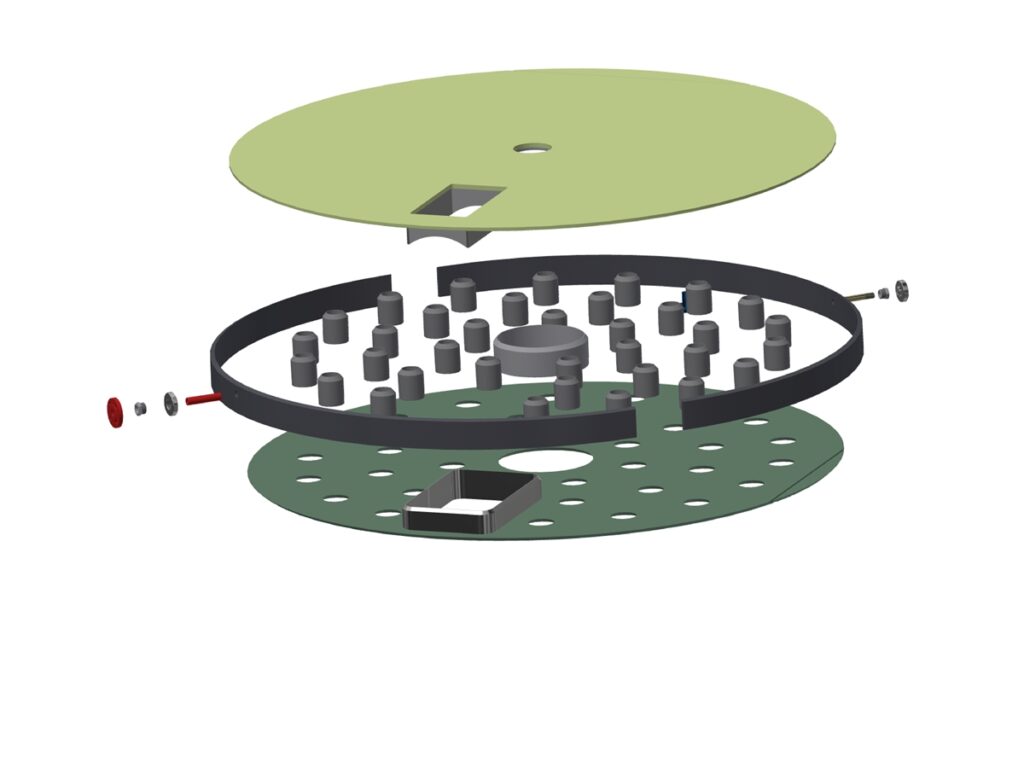
To remove excess moisture, atmospheric air is blown through the vats with mint (removed from the workshop).
The amount of such air is regulated for each tank: by an automatic or manual valve.
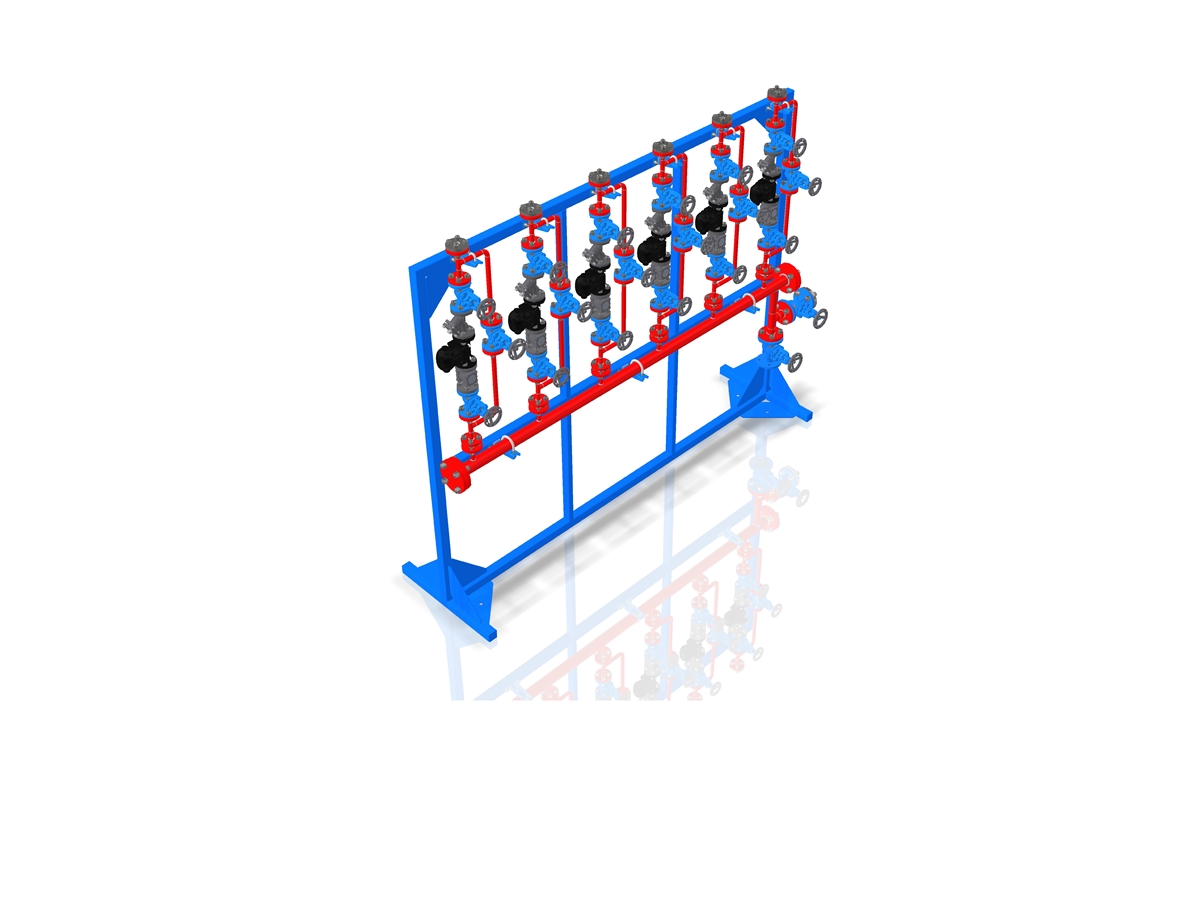
A steam bottom is installed in each tank.
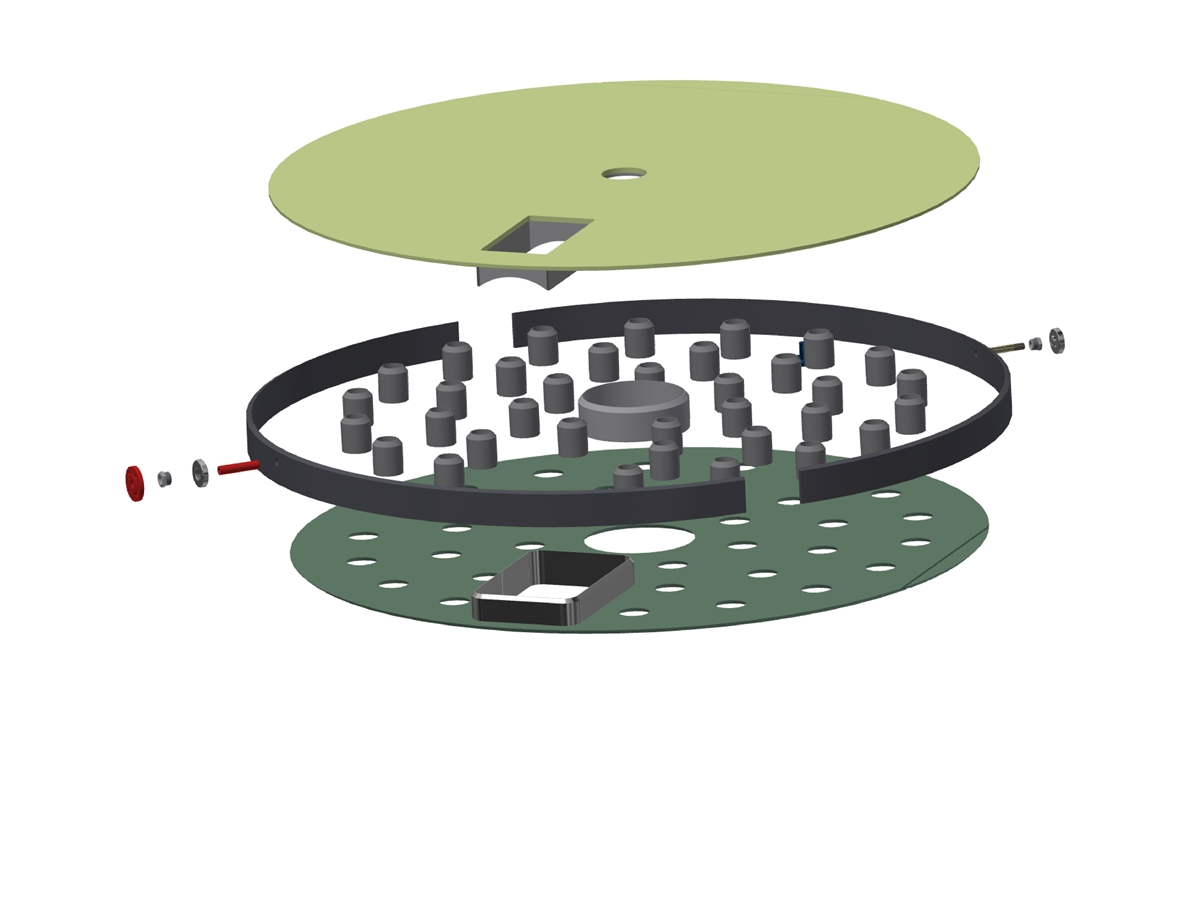
It provides heating of raw materials up to 115 ºС.
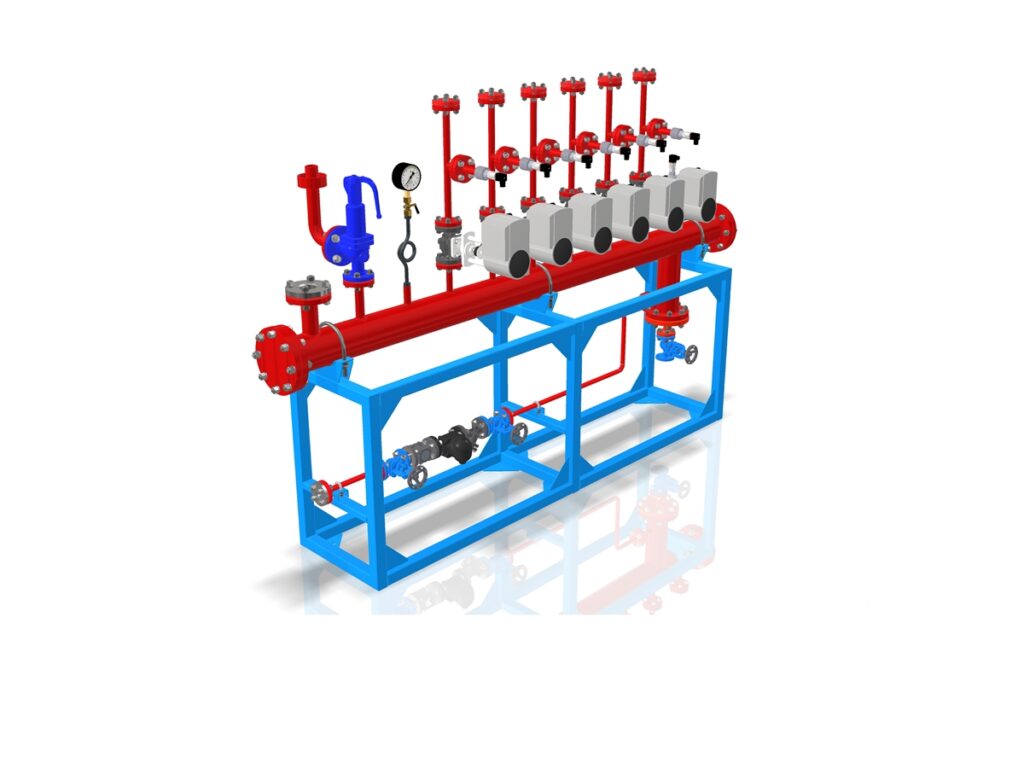
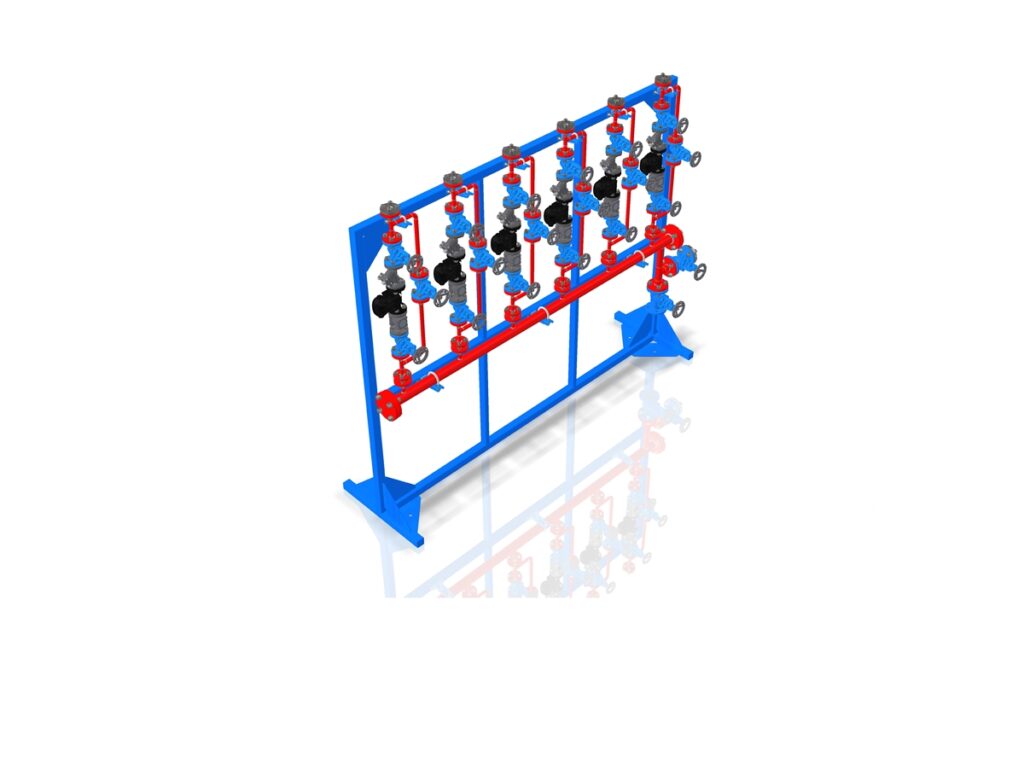
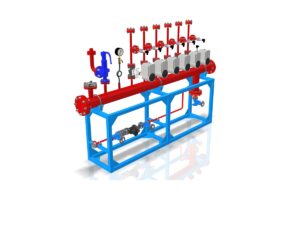
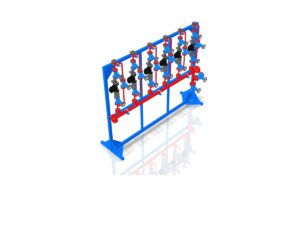
Each steam bottom is connected to an automatically controlled steam supply system.
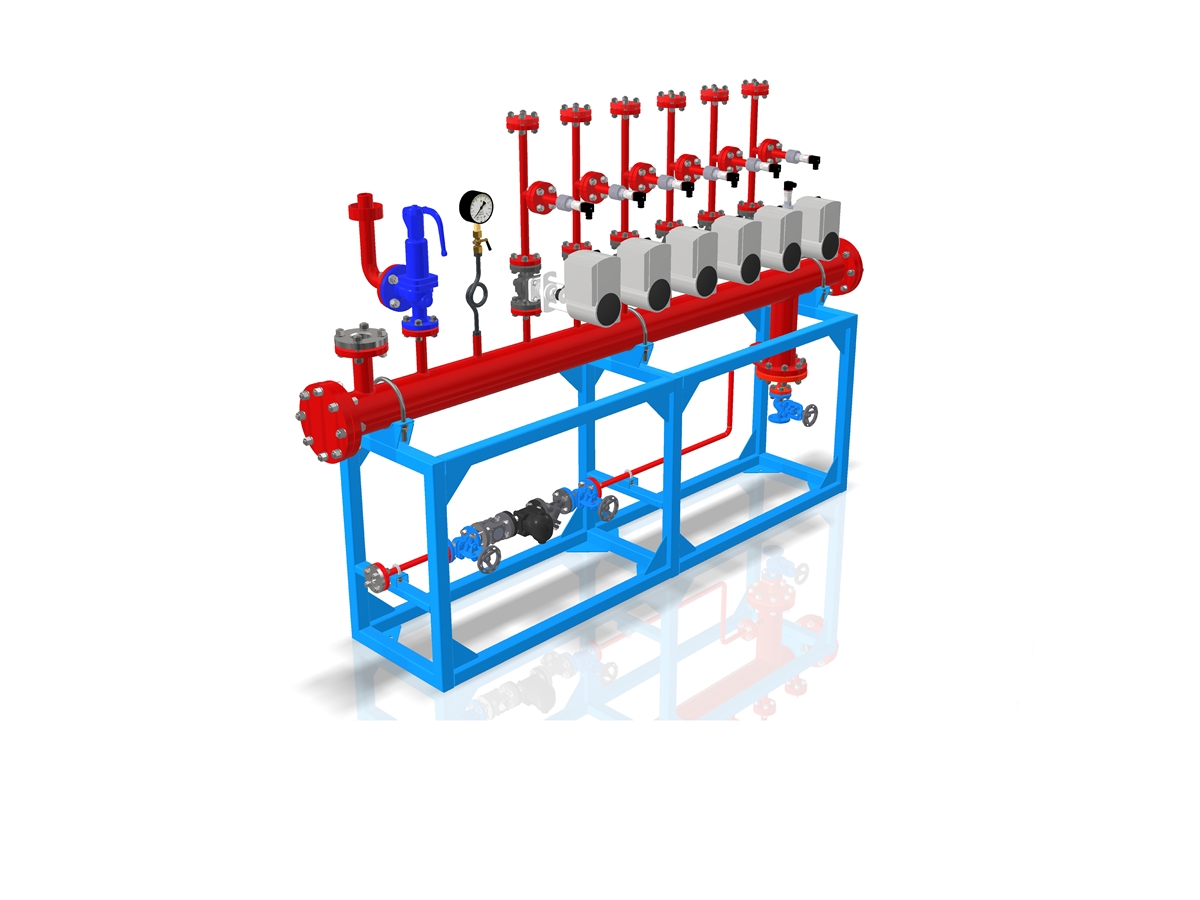
Each steam bottom is connected to a condensate drain system.