Technology for Processing Black Soldier Fly Larvae (BSFL)
Revolution in Protein and Oil Production: How Black Soldier Fly Larvae Are Changing the Future of the Food Industry
The world’s population is steadily growing, and with it, the demand for food products. By 2050, the global population is projected to exceed 9.7 billion. The growing interest in a healthy lifestyle is driving demand for protein-rich diets, with protein demand expected to double by 2050. While animal protein still dominates, it faces sustainability challenges. Alternative proteins, especially those derived from insects, could supply 10–25% of global protein consumption by 2035.
Global Challenge: Rising Demand for Protein and Oil
The demand for protein in livestock and aquaculture is rapidly increasing, putting significant pressure on the world’s food system. Consumption of meat, dairy, and fish is rising globally, particularly in countries with a growing middle class.
At the same time, the expansion of aquaculture, the fastest-growing sector of animal husbandry, demands increasingly high-protein feeds, while about one-third of global fish stocks are overfished.
Demand forecasts by 2030:
- Global meat demand: +14%
- Aquaculture production: +32%
- Protein demand for feed: +45%
Simultaneously, the global vegetable oil market is entering a phase of shortage. The demand for edible oil is expected to grow from 200 million tons in 2020 to 300–320 million tons by 2030 — a 50-60% increase.
Innovative Solution: Black Soldier Fly (Hermetia illucens)

One of the most promising alternatives is products from Black Soldier Fly larvae (BSFL). This insect is proving to be a true lifesaver for humanity due to its high protein content and sustainable production. Oil from BSFL is almost identical in composition to vegetable oils but surpasses them in environmental friendliness and economic efficiency.
Key Advantages of Protein and Fat from Insects
- Minimal land use: An insectarium (insect-farming facility) occupies a small area, unlike the hectares required for coconut or palm plantations.
- Low water consumption: Production requires much less water than is needed for irrigating plants.
- Fast production cycle: Larvae reach the required size in about two weeks. In comparison, coconuts mature in about ten months.
- Low CO₂ emissions: The production of insect fat is eco-friendly and leaves a minimal carbon footprint.
Efficient Recycling of Organic Waste
A huge advantage is the ability to recycle organic waste. BSFL larvae can convert 50–70% of plant-based waste into biomass, limiting greenhouse gas emissions from landfills. According to EU Parliament Directive 2008/98, insects are considered one of the best solutions for converting waste into high-quality feed materials.
BRONTO Cold Pressing Technology: Quality Without Compromise

To obtain BSFL oil, larvae are grown to a size that ensures maximum yield. The most economically beneficial and circular-economy-friendly method is mechanical pressing, which simultaneously produces high-quality oil and protein-rich meal (cake).
Traditional hot pressing (70–130°C) is simpler, but high temperatures damage the oil and reduce protein quality.
BRONTO has developed a new system to produce the highest-quality insect protein and fat using the upgraded OR-500HF press.
Mechanical pressing at low temperatures (<70°C) preserves sensitive nutrients:
- Lauric acid stability: This fatty acid, with antimicrobial properties, is better preserved.
- Preservation of unsaturated fats: The integrity of beneficial fats is maintained.
- High protein quality: The protein structure is preserved, improving digestibility.
The process on the BRONTO OR-500HF press takes place at low temperatures of 55-58°C with a capacity of 200 kg/hour. After cold pressing, the meal contains a residual fat content of 9-10%.
Advantages of Cold-Pressed BSFL Oil
Oil from larvae is a valuable and sustainable replacement for traditional fats (fish oil, soybean oil) in poultry, pig, and aquaculture diets. The high concentration of lauric acid helps improve gut health and strengthen animal immunity.

Additionally, BSFL fats are in demand in the cosmetics industry as an alternative to coconut, avocado, and shea oils, as they soften, moisturize, and heal the skin.
Advantages of Cold-Pressed BSFL Meal

The meal left after pressing is rich in protein (over 30–60%) and essential amino acids. It also contains antimicrobial peptides and chitin, which support gut health. The protein in BSFL meal is easily digestible, making it an ideal feed for fish and a substitute for fishmeal in animal feeds.
Conclusion: The Future Lies in Innovation
It can be confidently concluded that the future of oil and protein from Black Soldier Fly larvae is extremely promising. Their unique combination of nutritional value, functional properties, and environmental sustainability makes them a key player in the transition to a more circular and bio-oriented economy.
it might be interesting
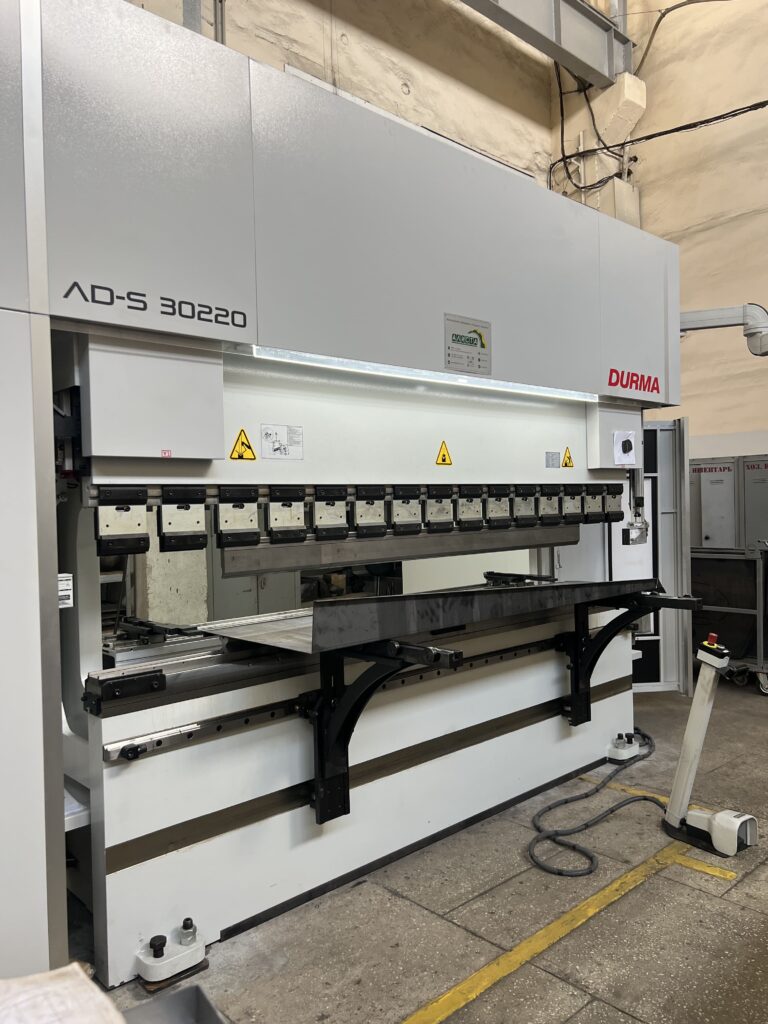
BRONTO Upgrades Production:
New CNC Press Brake by Durma for Faster, More Precise Equipment Manufacturing
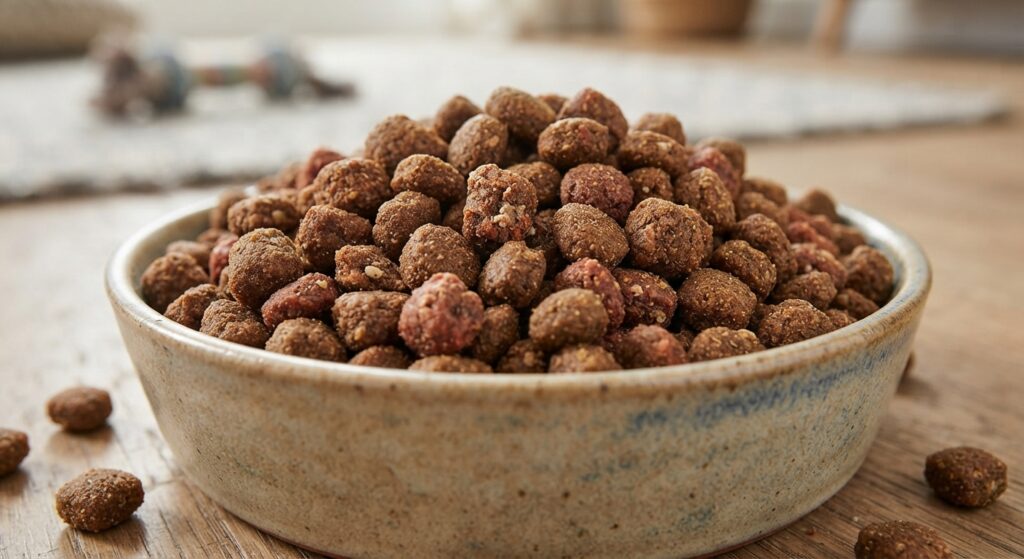
What types of animal feed can BRONTO equipment produce?
The same BRONTO technological platform — a single-screw extruder, belt dryer, vacuum cooler and pellet cooler — allows for the production of feed with completely different purposes, depending on the recipe and various settings. The difference lies not in the equipment itself, but in how it is configured: the extrusion temperature, the degree of pellet expansion, the moisture content of the mixture and the method of adding fats determine whether the line will produce dry dog food, floating pellets for tilapia or complete feed for poultry. Let’s take a look at the types of feed that are actually produced on BRONTO lines.
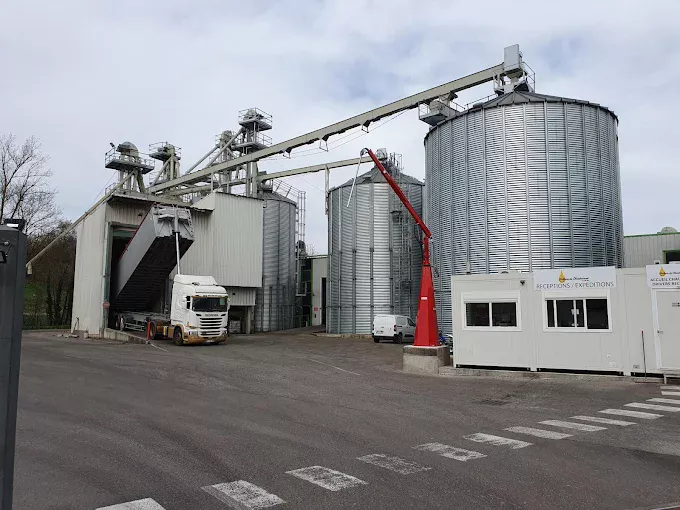
An automated soya oil production facility in France
how BRONTO helped Huilerie de Chambarand take its technology to the next level

Commissioning of a new development
Our new product, the CH cooler, has been launched.