From Beans to Profit: A Comprehensive BRONTO Solution for Soybean Processing
Soybean processing is one of the most promising areas in agribusiness. However, the transition from simple cultivation to the production of finished oil and high-protein meal requires not only high-quality equipment but also proven technology. BRONTO offers a comprehensive approach, ranging from the design of a mini-plant to commissioning and start-up services.
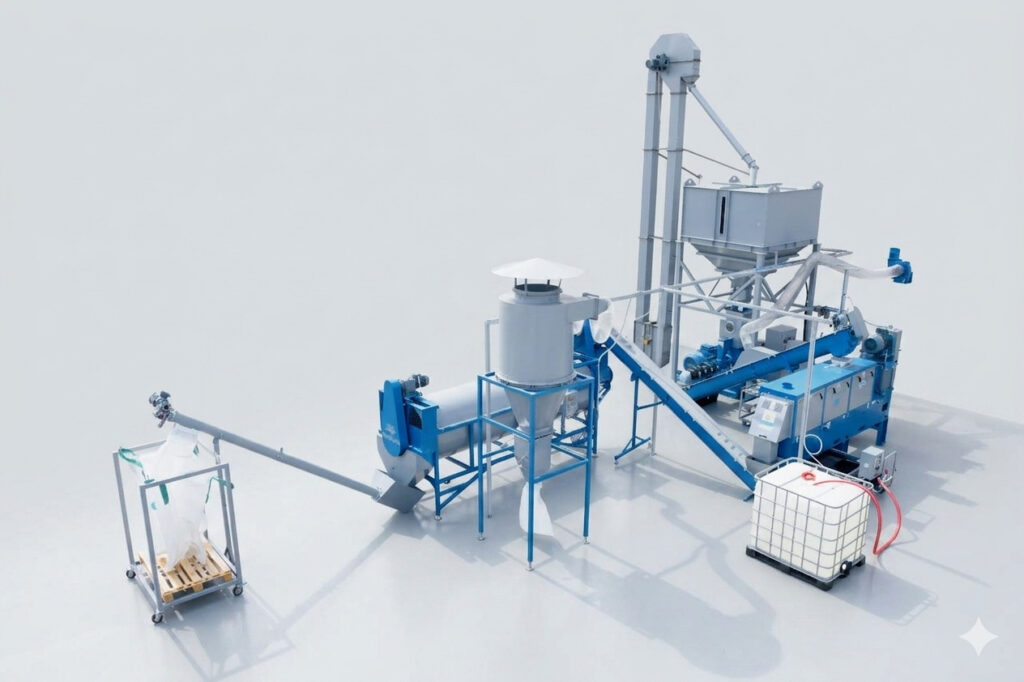
In this article, we will uncover how single-stage pressing with extrusion technology works and why it is becoming the standard of efficiency for modern farms.
What is a BRONTOil mini-plant?
Our solution is not just about selling individual machines. It is an integrated ecosystem adapted to your needs:
- Flexibility: We develop production lines for any scale — from small farms to large enterprises.
- Automation: The degree of automation is tailored individually.
- Quality Standards: We provide full accompanying documentation, including control diagrams and certification in accordance with EU requirements.
Technology That Delivers Results
At the heart of our offer lies the technology of single-stage pressing with extrusion. This is a modern method that ensures maximum yield with minimal energy consumption.
Main production stages:
- 1. Raw material preparation: cleaning and metered feeding. An optional hulling unit is available, which significantly increases protein content in the meal and reduces fiber levels.
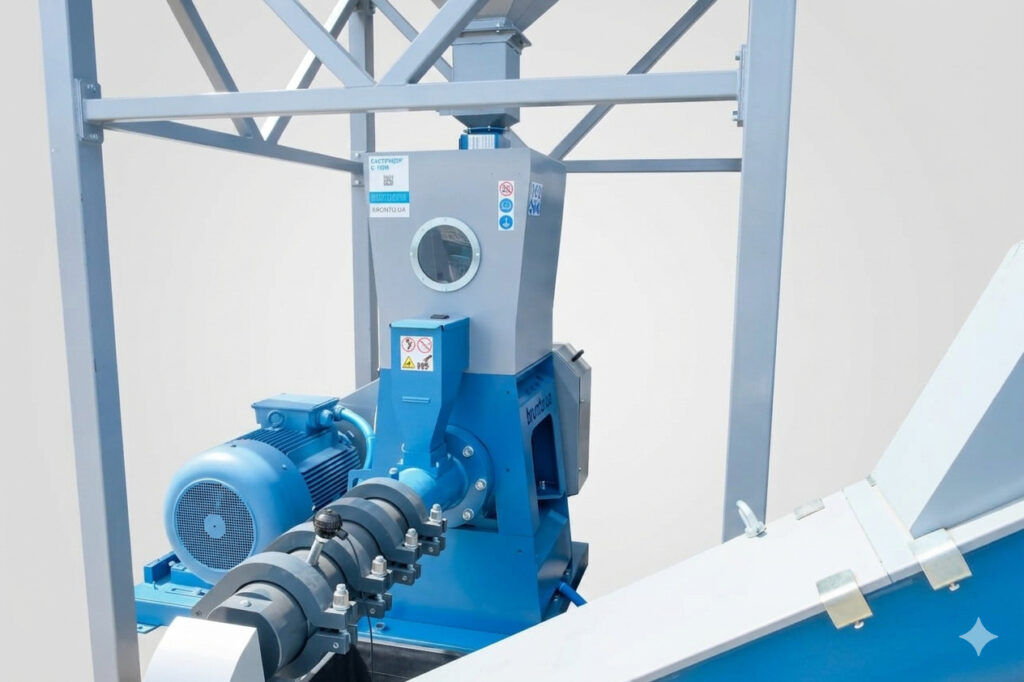
- 2. Extrusion: thermal and mechanical processing to inactivate anti-nutritional factors and produce “Full-Fat” semi-fat meal.
- 3. Pressing: oil extraction.
- 4. Cooling: product temperature stabilization.
- 5. Filtration and storage: obtaining clean, finished oil.
Performance Tailored to Your Tasks
We offer proven solutions based on E and OP series extruders and presses:
Why Choose BRONTO?
By working with us, you gain confidence in every stage of project implementation:
- Expert support: We do not leave you alone with the equipment. Commissioning and bringing the equipment to operational mode is a mandatory part of our work.
- Raw material reliability: The technology is designed to operate with soybeans at 8-9% moisture content. The result is meal with a residual oil content of 6-8% and an oil yield of 12-14% (at an average seed oil content of 20%).
- Individual approach: You can equip the line with systems for removing metal and mineral impurities or bean hulling units.
What the Client Needs to Know
We take responsibility for the technological part, automation, and start-up. For the full implementation of the project, we cooperate with your general contractor, who provides the construction part, utility connections, and fire safety of the facility.
Are You Ready to Build Your Own Processing Complex?
Whether you want to process only soybeans or are interested in other oilseeds, the BRONTO team is ready to provide a detailed consultation.
Get a technical specification and a payback calculation for your farm — contact our specialists today!
Source of information: Technical documentation of BRONTO regarding the operation of the soybean processing line using the pressing with extrusion method.
Technological Process: Step-by-Step Analysis
The production process of soybean oil using BRONTO equipment consists of five key stages, each aimed at obtaining the highest quality product.
Stage 1 – Raw Material Preparation The soybean oil production technology includes a raw material preparation stage: receiving, storage, cleaning from metal impurities, and metered feeding for processing. To reduce the amount of fiber and increase protein in the meal, a hulling-crushing unit can be used, which allows for the hulling of soybeans and their grinding. After this, the prepared soybeans are fed into operational storage using transport equipment. It is recommended to have an operational reserve of raw materials for the continuous operation of the line for several hours.
Stage 2: Extrusion This is the heart of our technology. Inside the extruder, the raw material is subjected to high pressure for a few seconds. The short-term thermal effect effectively suppresses anti-nutritional factors and performs sterilization, destroying microorganisms and mold. Significant expansion of the product at the outlet destroys cellular structures, which greatly facilitates subsequent oil extraction.
Stage 3: Pressing Heated to 125–155°C, the extrudate is fed through a feeder into the press. Excess steam is vented through a ventilation system with a fan. After pressing, the meal is transported to the cooling stage.
Stage 4: Cooling After the press, the meal has a temperature of approximately 80°C. A screw feeder delivers it to the cooler. After this process, the product temperature drops to a level only 10°C above the room temperature. We primarily use drum-type coolers; however, a counter-flow cooler option is available. The released steam is removed through a ventilation system with a fan.
Stage 5: Storage and Filtration
- Meal: The typical solution is bulk storage with distribution via a conveyor.
- Oil: Filtration occurs in two stages. First, large mechanical impurities are removed via a sediment trap, and then the oil undergoes final filtration. The finished product is stored in a tank and loaded into tanker trucks by a pump.
Automation: Intelligent Control
The mini-plant can be equipped with a centralized control panel (excluding the extruder). A sensor system monitors bunker fill levels, operating temperatures, motor loads, and conveyor speeds. In the event of an emergency, the line stops automatically, which simplifies control and significantly reduces operating costs.
Optional Features for Your Business
We understand that every manufacturer has unique requirements, which is why we offer a wide range of options:
- Cleaning and preparation: Options for removing impurities (separator/destoner) and hulling beans (hulling-crushing unit) to increase the protein content in the meal.
- Meal optimization: Grinding to the required fraction, moisturizing (up to 8-9%) to compensate for moisture loss during extrusion, or packing into big bags to save storage space.
- Oil filtration: The possibility of replacing standard filtration with a decanter (centrifuge) or the communicating vessels method (an economical variant of filtration by sedimentation).
- Storage: Options for seed storage (in bulk, in big bags) and oil storage.
Important: The cost of the listed options is most favorable when ordered together with the production line. Additional supplies are calculated individually, taking into account more complex installation conditions.
it might be interesting
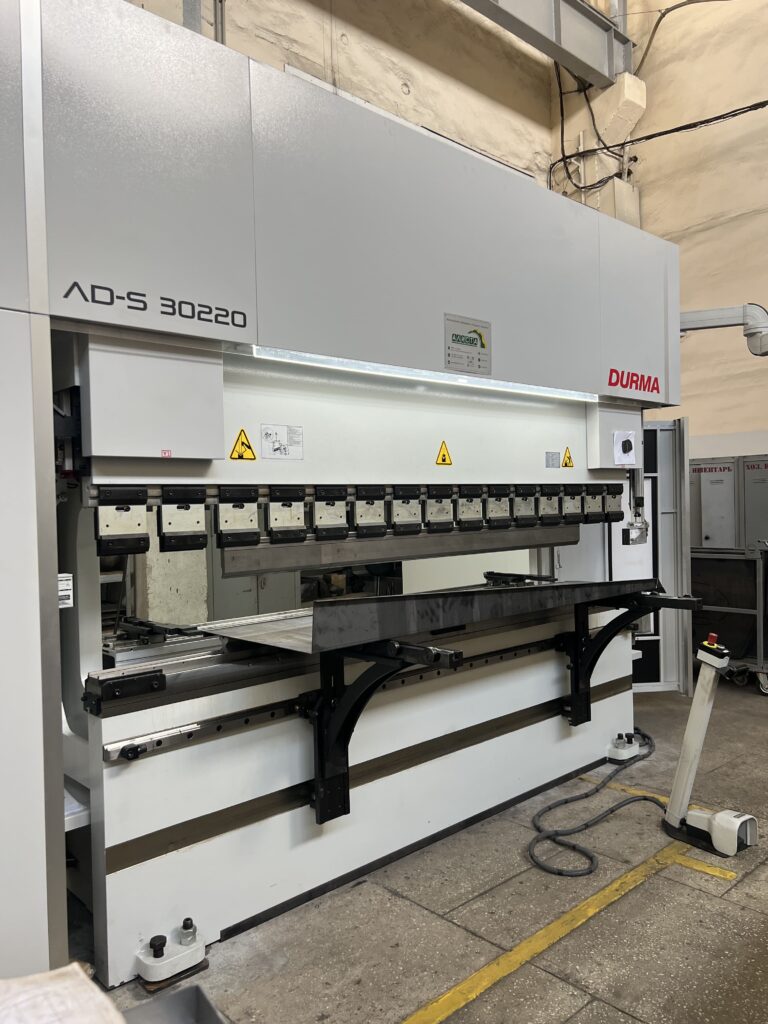
BRONTO Upgrades Production:
New CNC Press Brake by Durma for Faster, More Precise Equipment Manufacturing
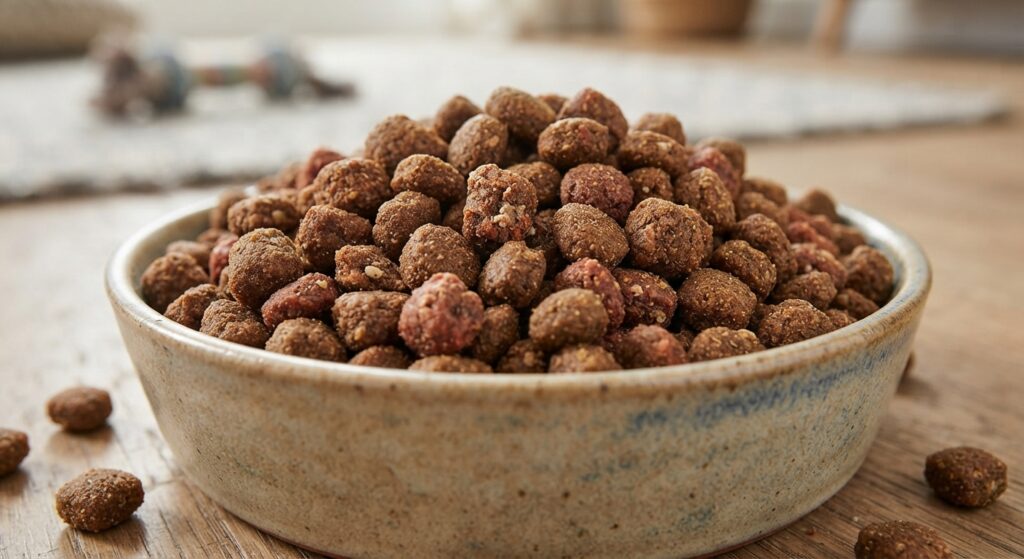
What types of animal feed can BRONTO equipment produce?
The same BRONTO technological platform — a single-screw extruder, belt dryer, vacuum cooler and pellet cooler — allows for the production of feed with completely different purposes, depending on the recipe and various settings. The difference lies not in the equipment itself, but in how it is configured: the extrusion temperature, the degree of pellet expansion, the moisture content of the mixture and the method of adding fats determine whether the line will produce dry dog food, floating pellets for tilapia or complete feed for poultry. Let’s take a look at the types of feed that are actually produced on BRONTO lines.
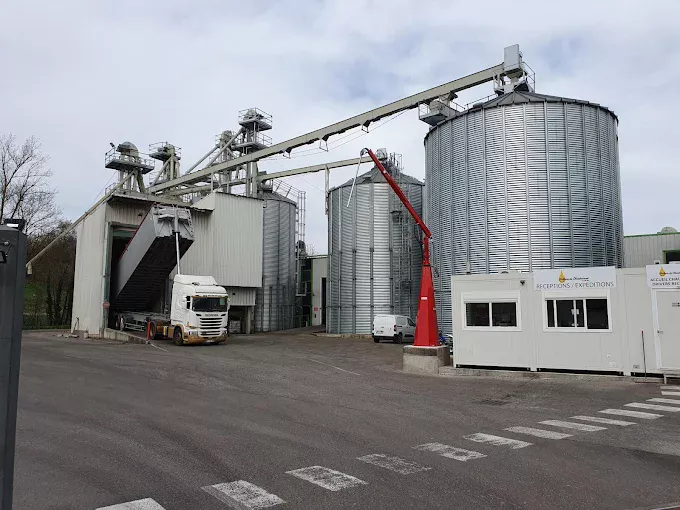
An automated soya oil production facility in France
how BRONTO helped Huilerie de Chambarand take its technology to the next level
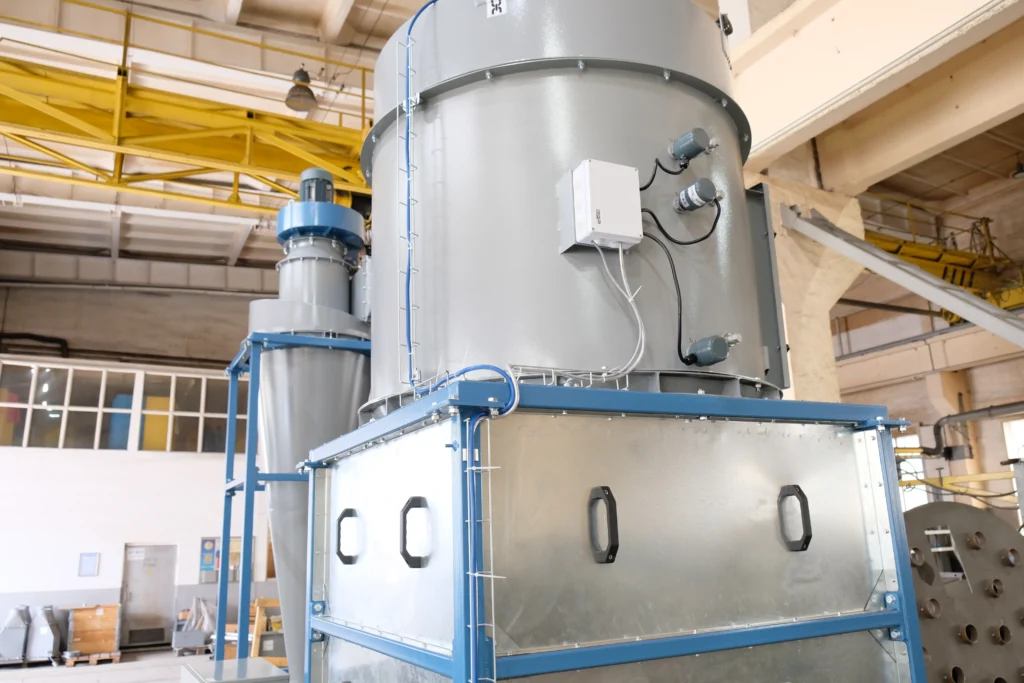
Commissioning of a new development
Our new product, the CH cooler, has been launched.