Soybean Oilcake vs. Soybean Meal.
Which product to choose for maximum return in livestock farming?
how to choose the optimal feed for livestock
At first glance, soybean oilcake and soybean meal appear to be similar products: both are by-products of soybean processing and a valuable source of protein for animal feed. However, their production technology differs significantly, which directly affects nutrient content, digestibility, and cost-effectiveness.
Let’s figure out which product is best suited for your farm.
1. Production Method: Key Difference
Soybean oilcake is obtained by mechanical pressing of soybeans. During this process, the seeds are crushed and subjected to high pressure in a screw press. The main part of the oil is removed naturally, without the use of chemical solvents, but the finished product retains residual fat at a level of approximately 5–10%. Due to this, the meal has an increased energy value and a pleasant natural aroma, which makes it a nutritious and well-used feed.
Soybean meal is produced in a different way: after chemical treatment of the oil with organic solvents, most often hexane. This method allows almost complete removal of the fat fraction, reducing its content to approximately 1–2%, a protein-enriched product. Due to deep defatting and mandatory heat treatment, the meal is characterized by a stable composition, long shelf life and high protein digestibility, which makes it an ideal component for balanced feed mixtures.
2.Protein digestibility and energy value
This is the most important criterion for a farmer:
- The higher fat content makes soybean oilcake more caloric, which is especially important for animals that need additional energy for normal growth, health maintenance and productivity. For example, cows benefit from this in the form of increased milk fat content and maintenance of energy balance during lactation. Due to the presence of natural fat, the meal also improves the palatability of feed and stimulates the appetite of animals, which is especially important for young animals and animals during periods of increased physical exertion.
- Soybean meal, on the other hand, contains significantly less fat, but its protein component is more concentrated and easier to digest. This makes it an indispensable component for balanced diets, where the primary importance is not calorie content, but the quality and availability of protein and amino acids. Such feed is especially important for poultry and young animals, because the correct ratio of amino acids affects growth, development, digestive system health and productivity. In addition, the high concentration of protein in the meal allows you to more accurately form the diet, optimizing feed costs and increasing the economic efficiency of the farm.
Soybean meal is usually already heat-treated during extraction, so its protein has a high biological value and is safe for feeding without additional procedures.
3. Comparison table: Soybean Oilcake vs. Soybean Meal.
So what to choose?
- If you need a high-calorie feed for rapid weight gain or to increase milk fat content, extruded soybean oilcake is the best choice. It combines high energy value and good protein digestibility.
- If a clean source of protein is important for balancing the diet, especially for poultry or young animals, soybean meal would be optimal.
For farms that have the ability to process their own soybeans, soybean extrusion allows them to produce high-quality meal without anti-nutrients and with full control over quality and cost.
Conclusion:
Soybean oilcake and soybean meal are direct competitors in the feed market. These two products compete for a place in the animal diet, offering different key advantages: meal acts as a competitor due to its high energy value, and meal – due to its high content of concentrated protein. Although they are resource competitors, maximum feeding efficiency is achieved when used in combination.
it might be interesting
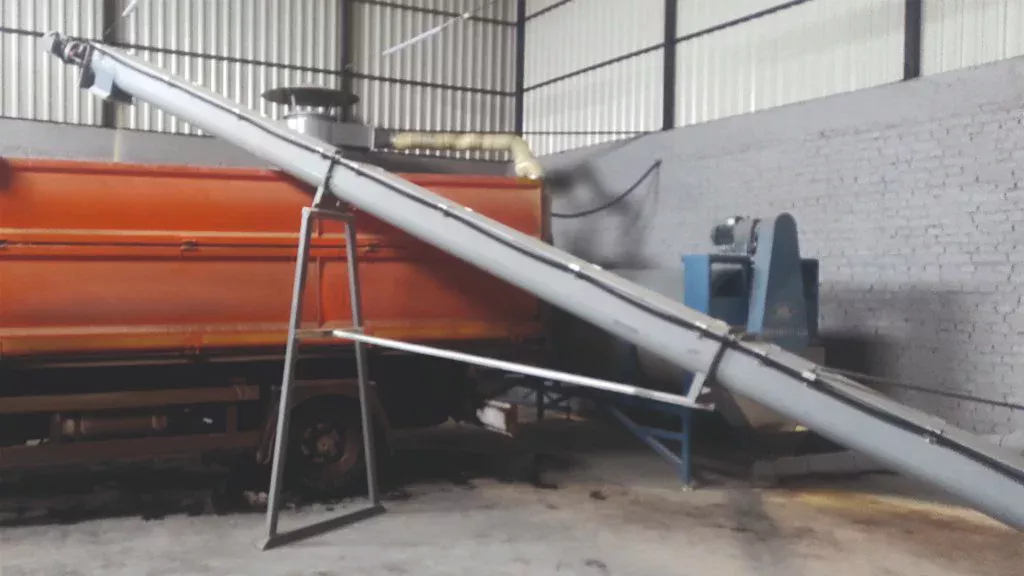
What to do if the cake has too high a residual oil content? Analysis of typical mistakes
Are you no longer satisfied with the oil content of soybean meal? What can you do to return to 7-8% oil content?
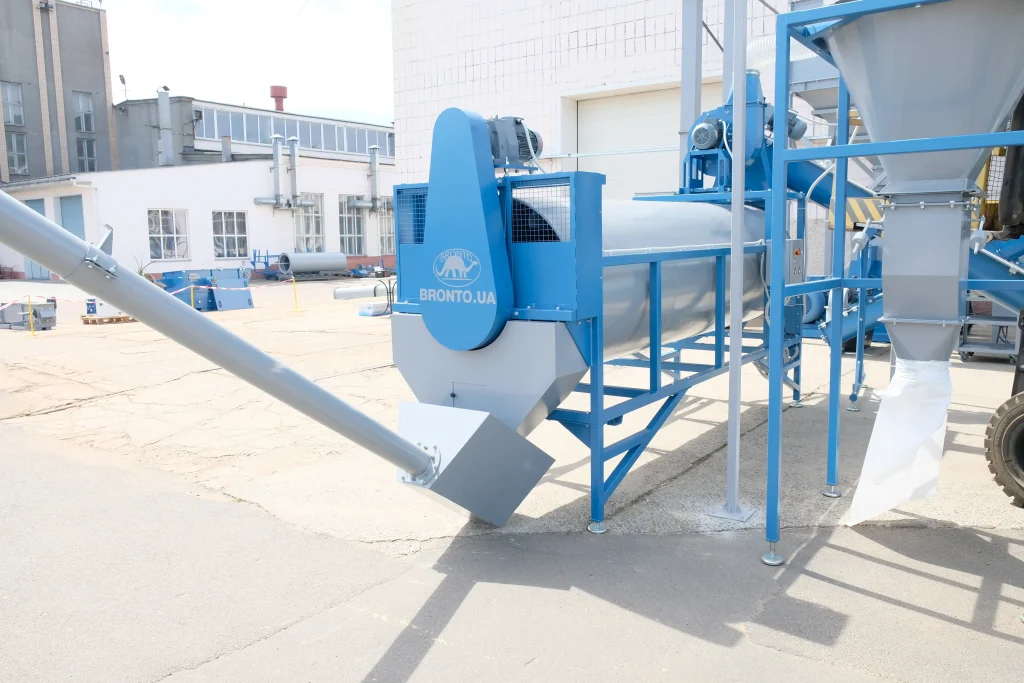
Technology and Equipment for Integrated Soybean Processing
We manufacture equipment, complete soybean processing production lines and support our products through technical representatives in 23 countries around the world. Our scheme allows for the sequential separation of soybean hulls, extrusion of soybean kernels, pressing of oil from full-fat soybeans and cooling of soybean meal with an oil content of 7-8%.
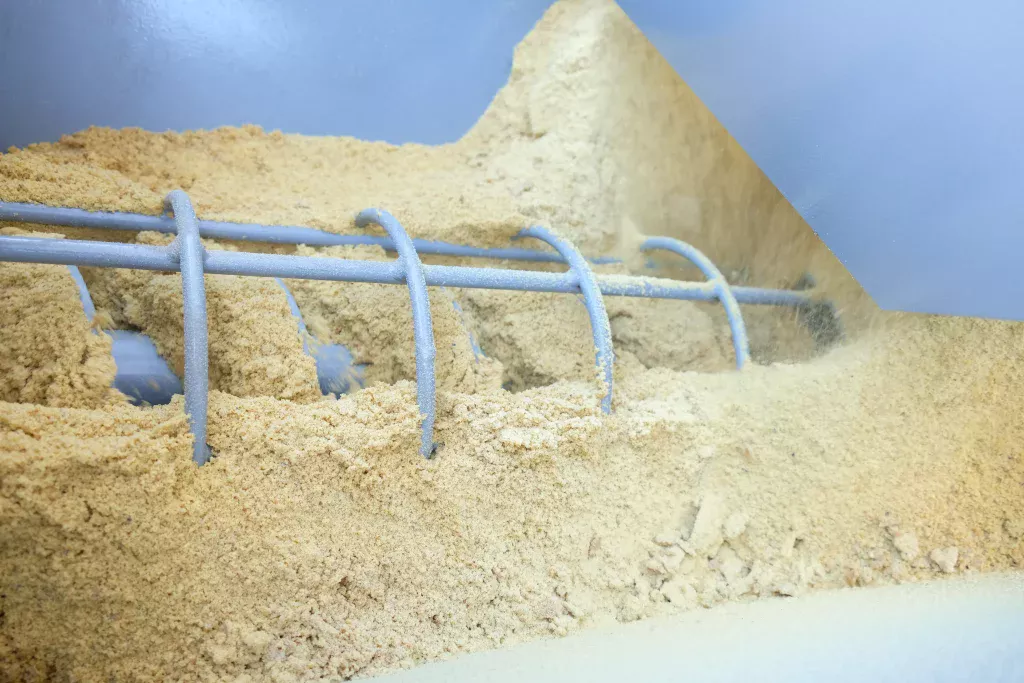
Soybean oil production technology
Soybean oil is one of the key and most liquid products on the global agro-industrial market. It is a strategic raw material that forms the basis of many industries: from feed and food industries to pharmaceuticals, perfumery and biofuel production.

How to sell soybean processing equipment in Latin America
South America is the global epicenter of the soybean industry. Today, Brazil and Argentina grow three times more soybeans than the United States. In order to enter this market with processing equipment and gain a foothold in it, the manufacturer must first prove its quality and reliability in practice under conditions of intensive loads. Competition in this region is high, so buyers choose suppliers very carefully.