EN

Extruder

processes 250–2,000 kg/h of grain and oilseed crops

Serial production of extruders

we ensure the uninterrupted operation of the equipment

Comparison of extruder parameters:

Extruder model Productivity Electric power Processing temperature Consumption (kWh/t)
BRONTO E-250 210–250 kg/h 37 kW 130–150 °C 148-176 kW/t
BRONTO E-500 410–500 kg/h 55 kW 130–150 °C 100-121 kW/t
BRONTO E-1000 920–1200 kg/h 92,5 kW 130–150 °C 77-101 kW/t
BRONTO E-1500 800–1500 kg/h 178 kW 100–130 °C 118-222 kW/t
BRONTO E-1700 1500–1700 kg/h 160 kW 130–150 °C 94-106 kW/t


Over 2,600 extruders

supplied to customers

Since then:

We have developed extruder models with capacities of 150, 250, 500, 1000, 1500, 1700, and 2000 kg/h.

We have developed extruder variants:

  • for processing grains and legumes (corn, wheat, peas, barley, rye, oats)
  • for oilseeds (soybeans, rapeseed, sunflower, cocoa, sesame)
  • for dry pelleted feeds

Bronto extruders

in 53 countries worldwide

Over the years, the extruders have been sold on every continent.

We now provide technical support for our products worldwide.
Our technical representatives provide support from 23 countries.

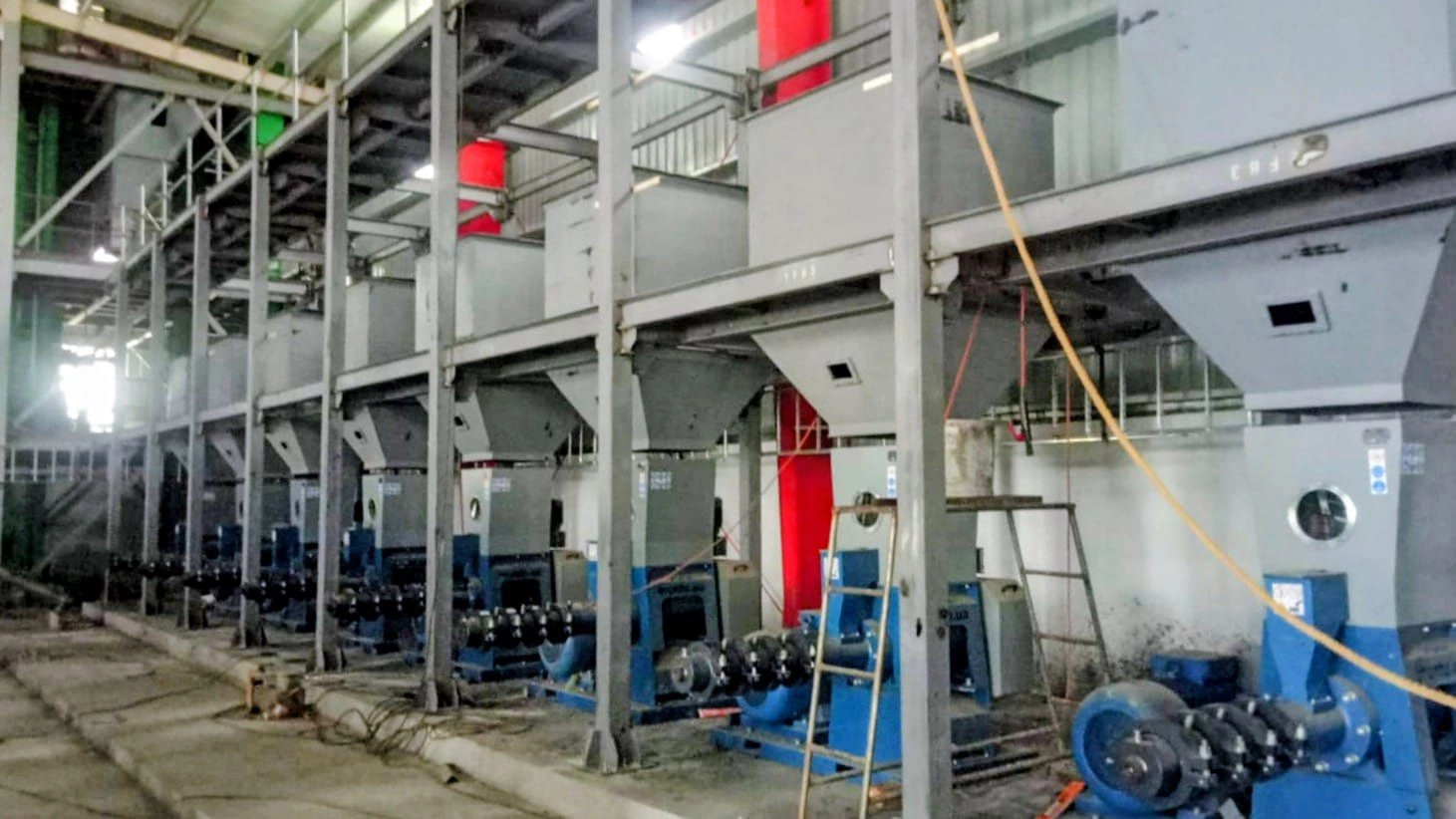
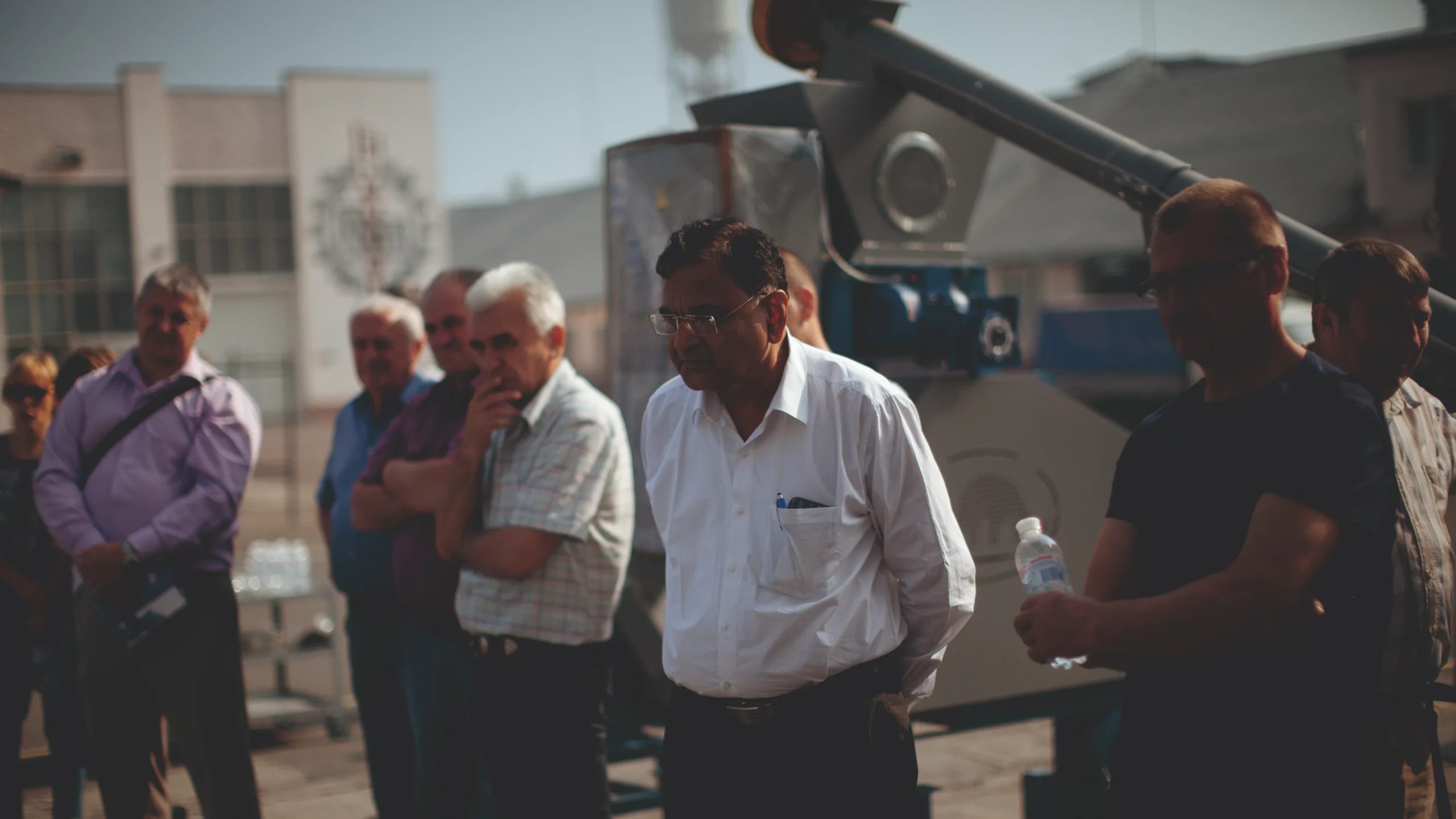
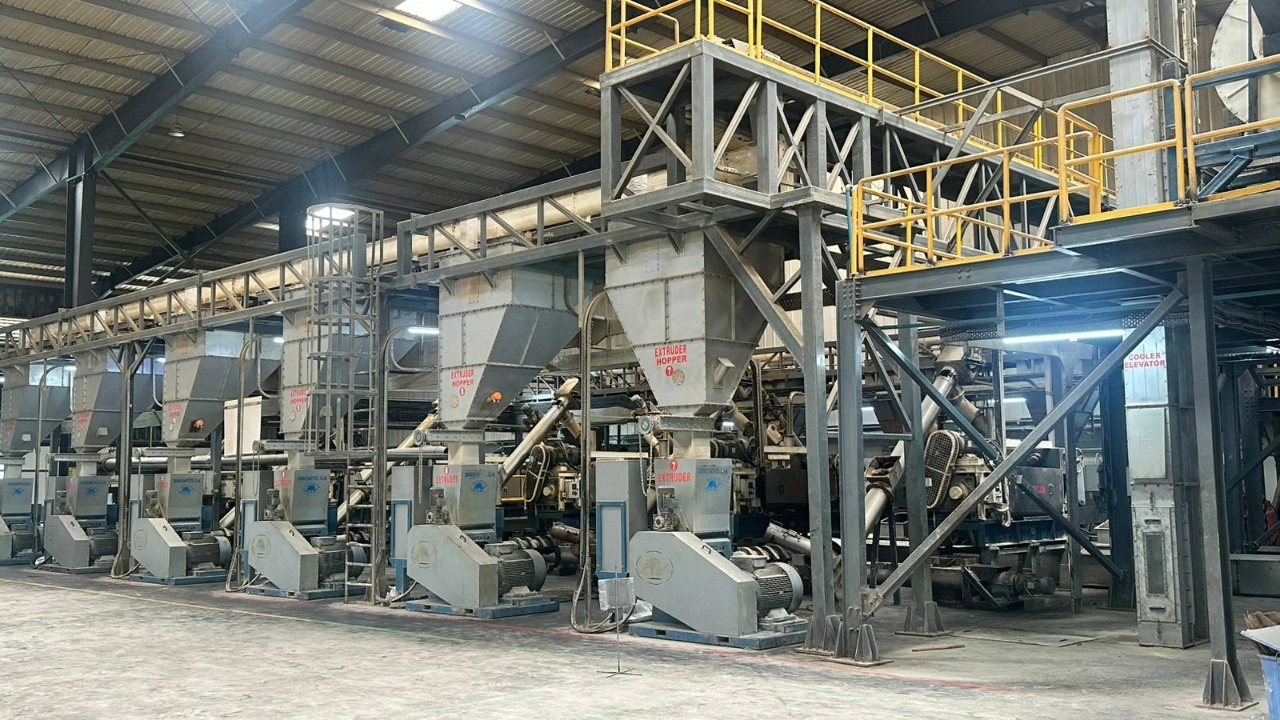
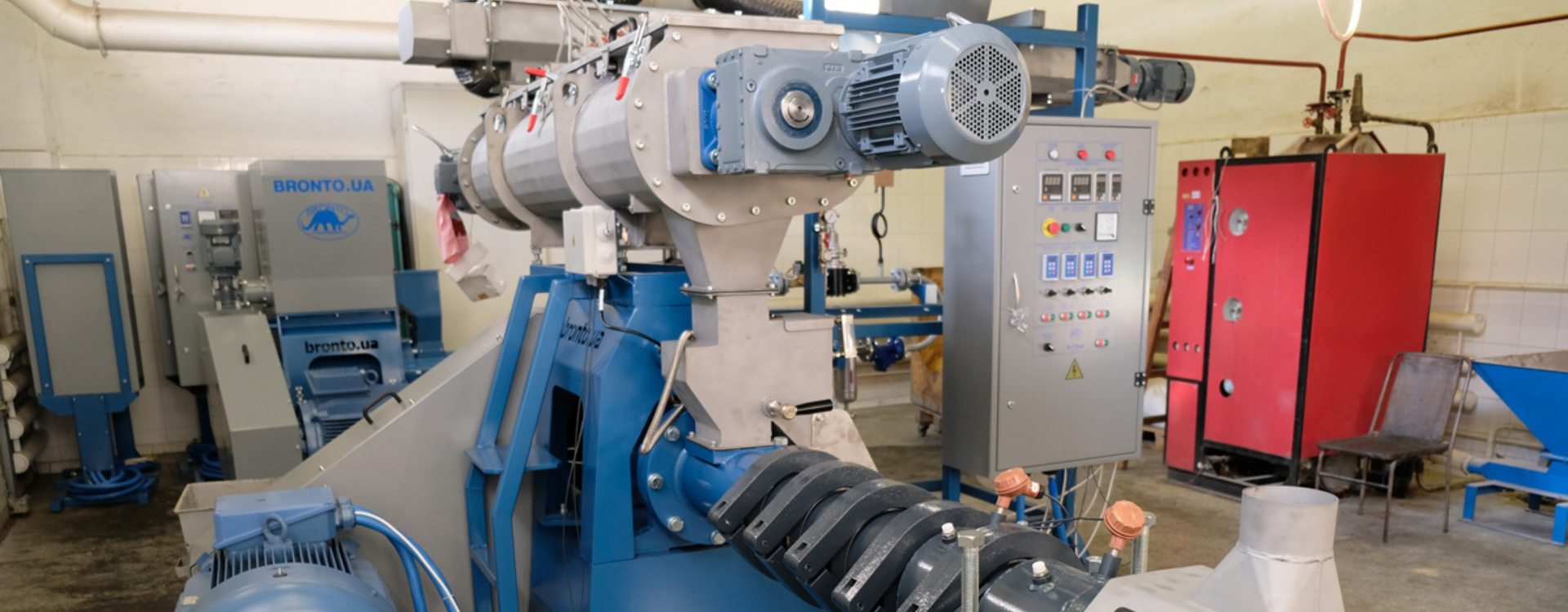
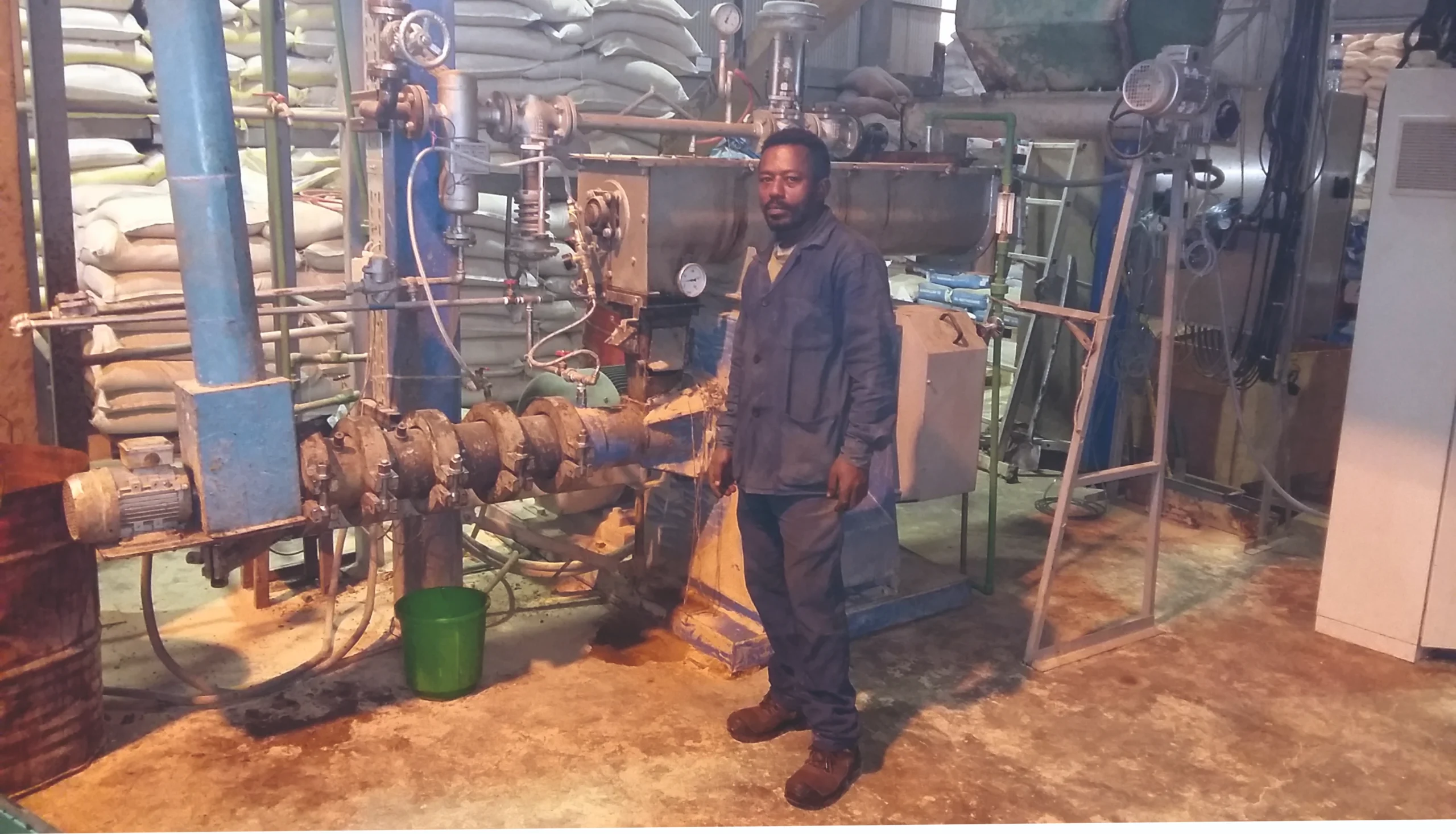
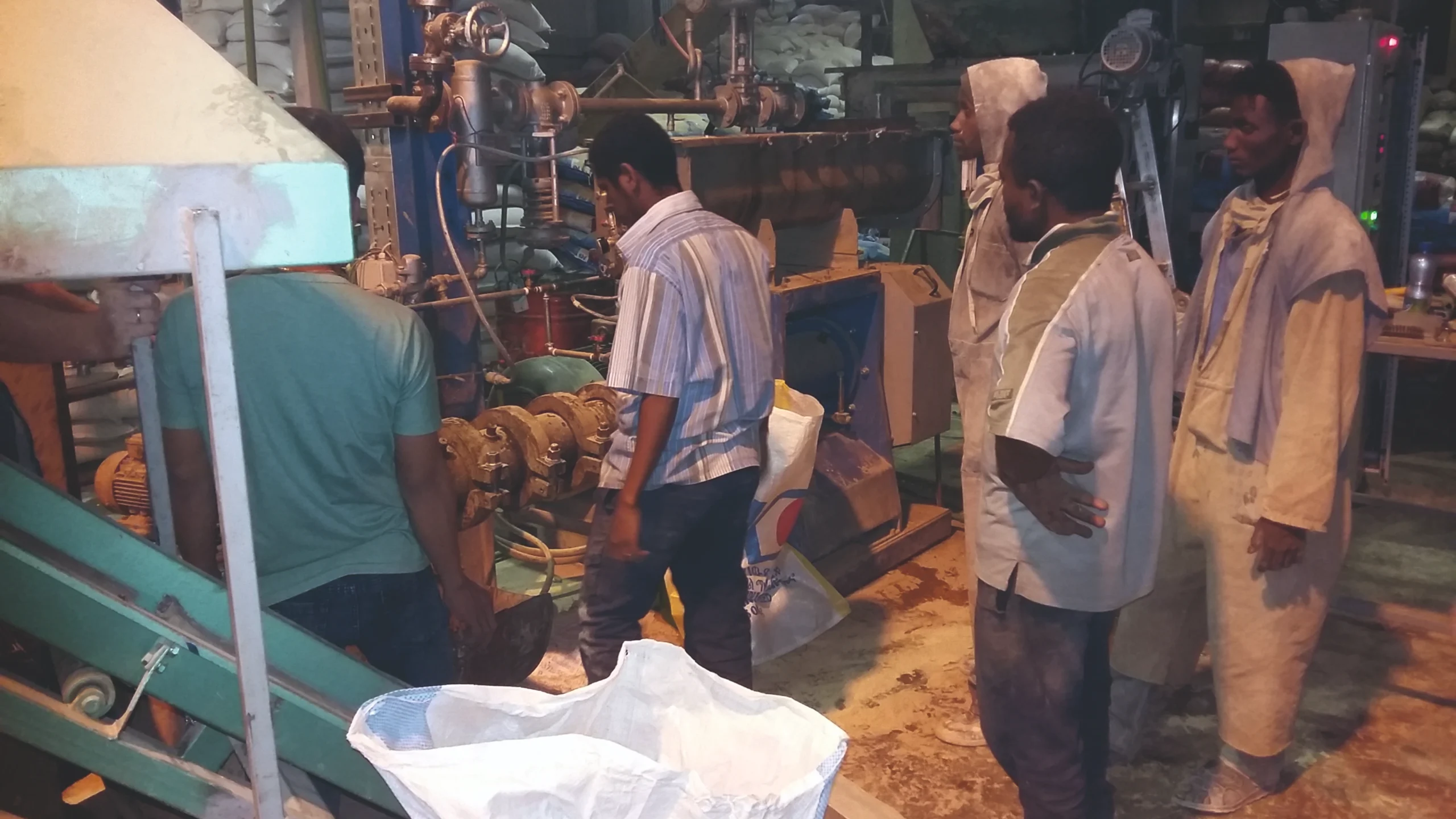
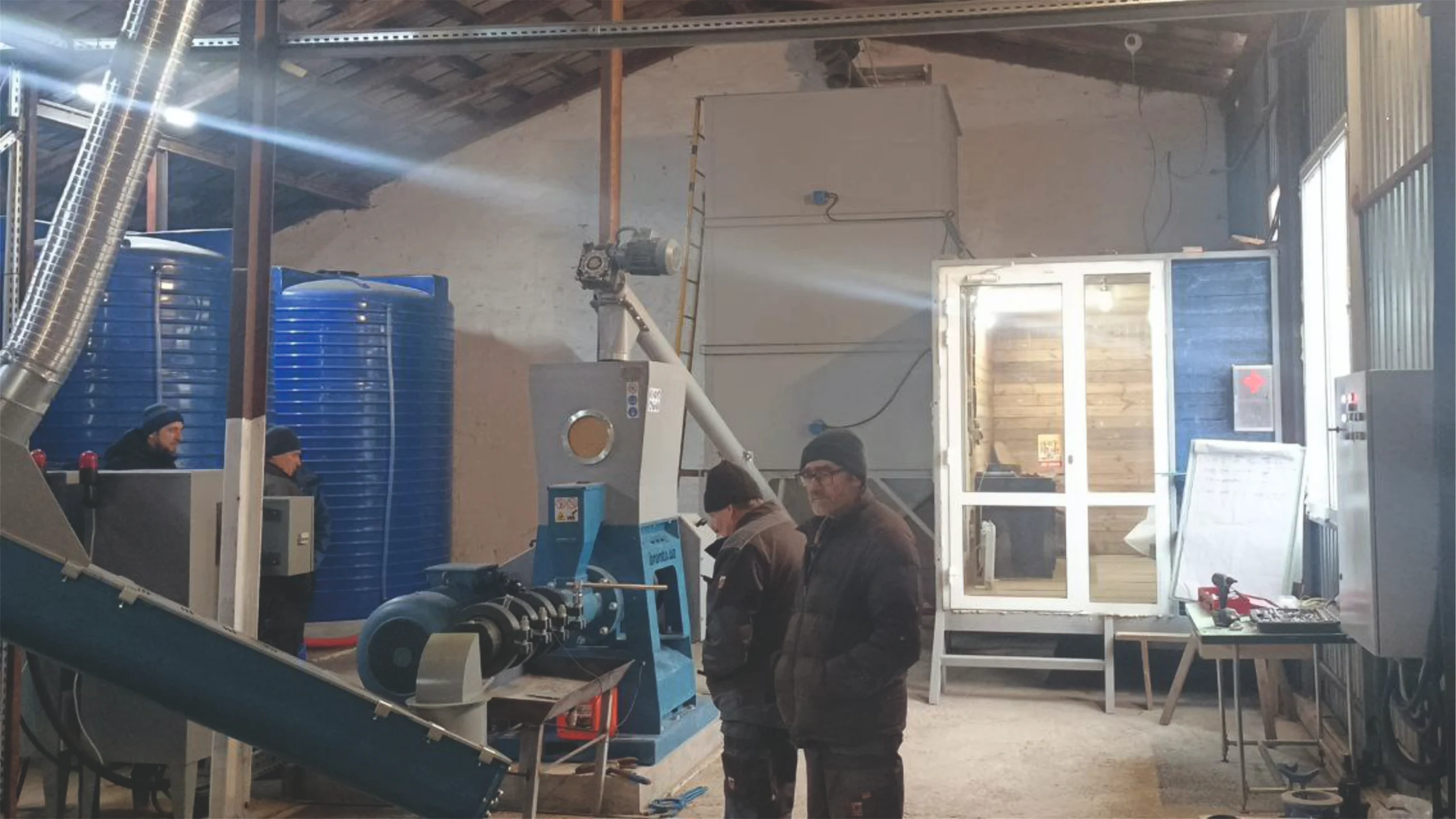
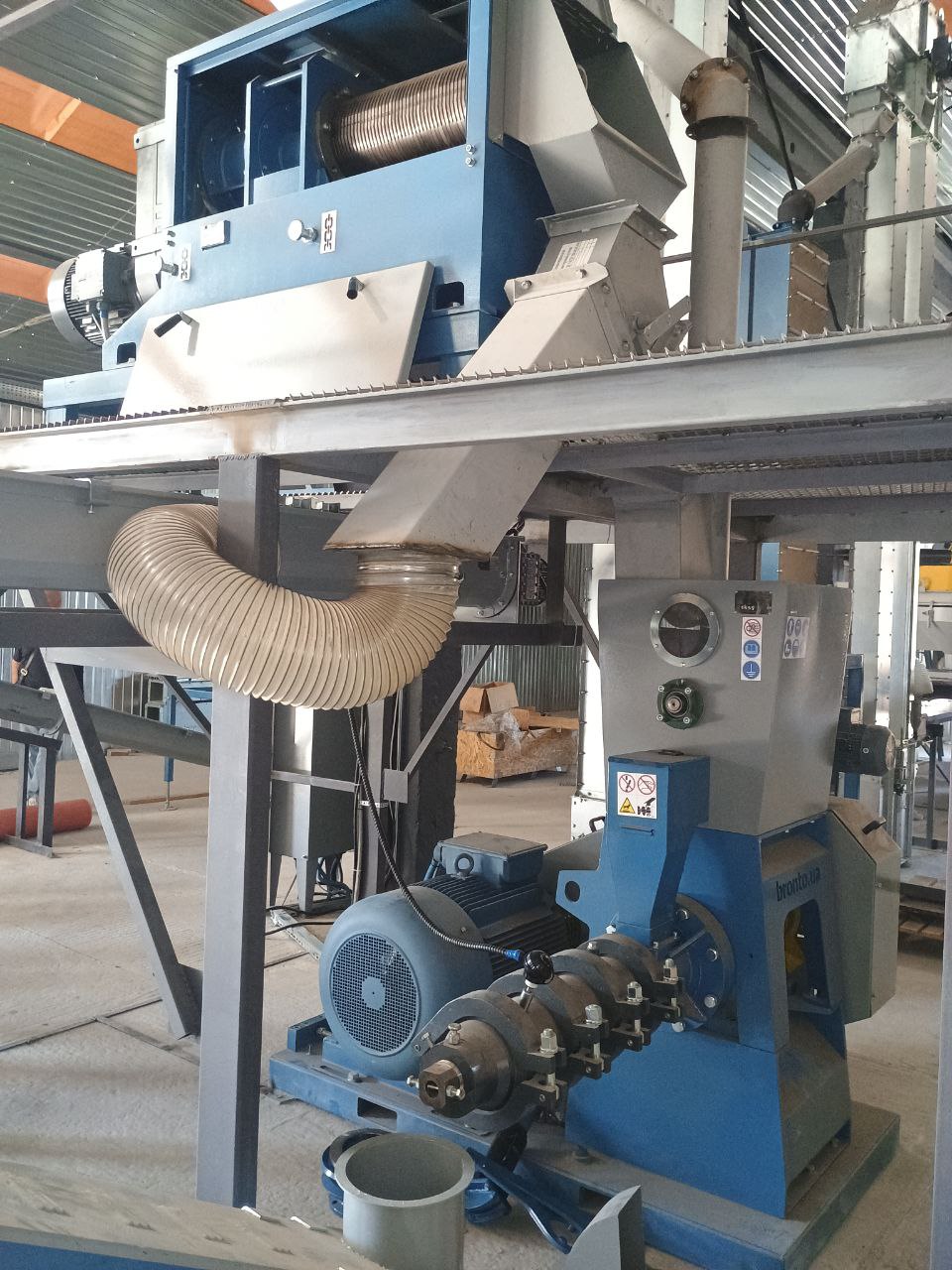
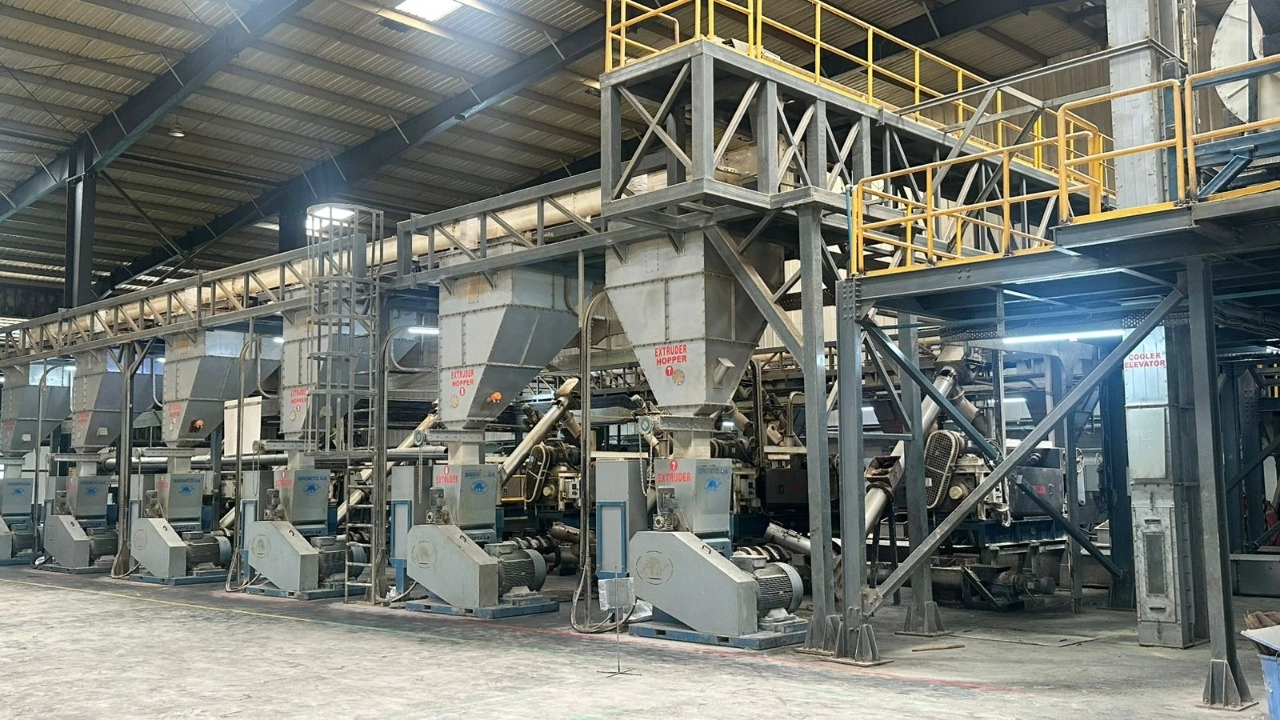
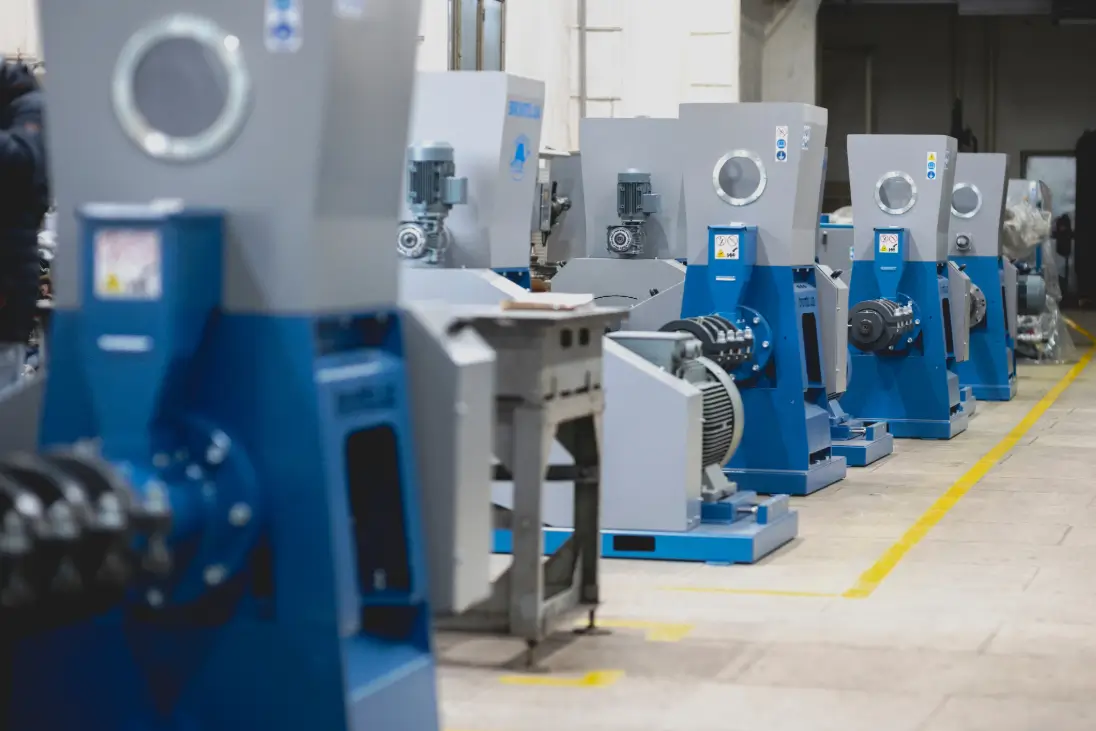
Photos of our production facility and extrusion equipment in operation

We guarantee technical support.

we will ensure the uninterrupted operation of your extruders

1

Extruder placement

For proper operation:

  • We can prepare layout drawings for the extruder within your facility as part of the production lines.
  • We can provide preliminary designs for raw material feeding, product discharge, and steam exhaust.
2

Commissioning and start-up

Our specialist can perform:

  • A check of the electrical connection
  • A demonstration of the extruder’s startup, transition to operating mode, and shutdown, as well as mechanism maintenance
3

Warranty support

Warranty period: 1 year

  • Production certified to ISO 9001:2015 standards
  • Our extruders are designed for continuous and uninterrupted operation
4

Post-warranty support

Post-warranty support:

  • Supply of spare parts
  • Consultation on extruder reconfiguration
  • Diagnostics and condition assessment of components
  • Repairs

Our extruders:

Extruder model Capacity, t/day Raw material Extruder function Raw material moisture content, %
Е-150 3,6 cereal crops increased digestibility, destruction of microflora 12-15
Е-250 6 cereal crops, peas, soybeans increased digestibility, destruction of microflora 12-15
Е-500 10 cereal crops, peas increased digestibility, destruction of microflora 12-15
Е-500 S 12 soybean reduction of anti-nutrients, heating prior to oil extraction 8-9
Е-1000 24 cereal crops, peas, lupin increased digestibility, destruction of microflora 12-17
Е-1000 S 24 soybean reduction of anti-nutrients, heating prior to oil extraction 8-9
Е-1500 24 oilcake, meal, protein-vitamin-mineral supplements, yeast production of granulated feed 18-27
Е-1700 40,8 crushed soybeans reduction of trypsin inhibitors, heating prior to oil extraction 8-12


You can review the analysis of extruder operations in the case study “How Indian agricultural giant Lifeline Feed modernized its production with Bronto.


The durability of the working zone components of Bronto extruders is guaranteed for 400 hours of operation.

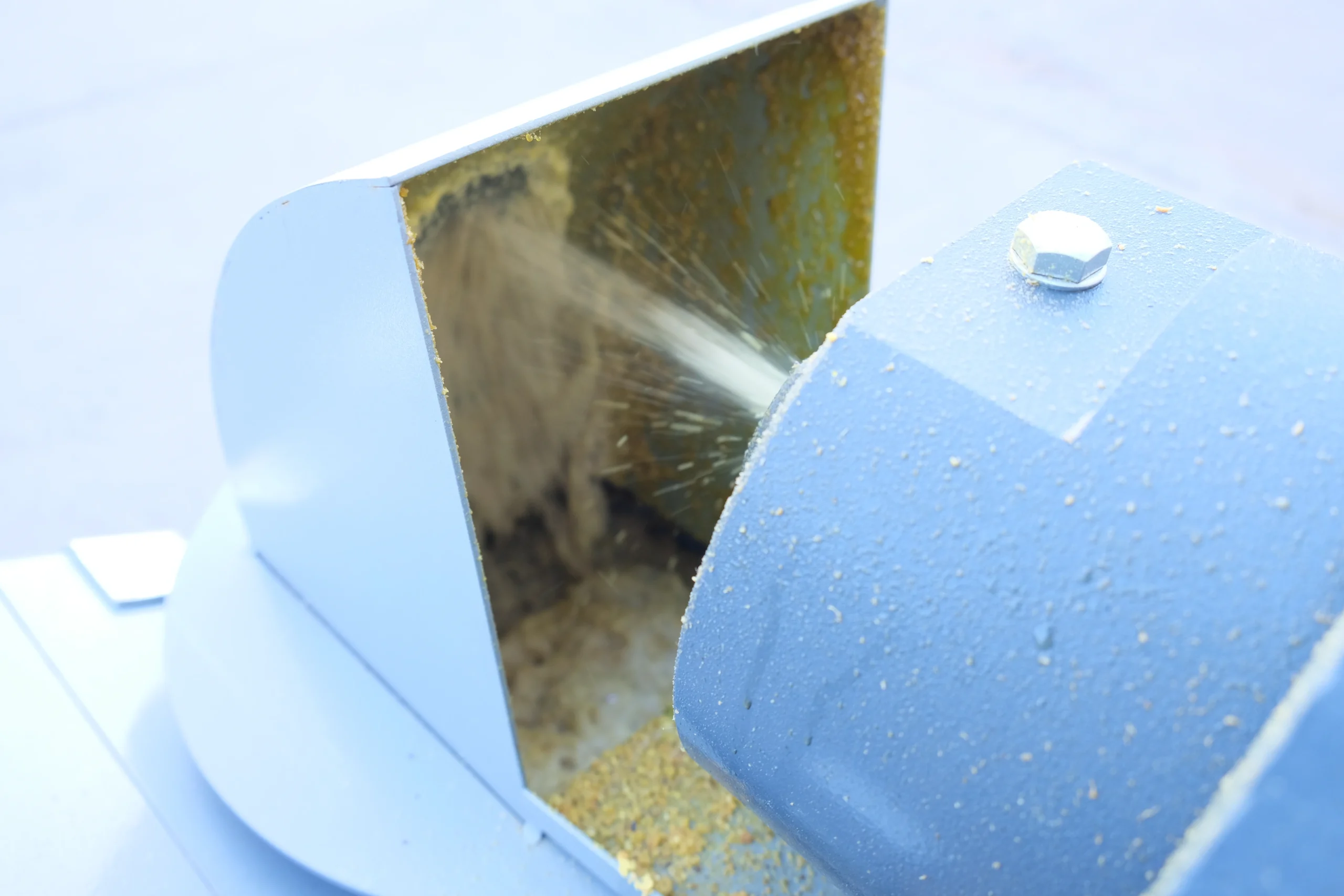
Bronto extruders process raw materials using dry extrusion technology.

CONTACT OUR EXPERTS

FAQ: We are frequently asked the following questions about extruders:

What is the difference between wet and dry extrusion using BRONTO equipment?

Dry extrusion occurs through mechanical friction and pressure within the screw chamber without steam injection, reducing urease activity to 0.05–0.2 pH.

Wet extrusion involves preliminary steam conditioning, which increases line productivity by 15–20% and reduces screw wear. However, if the extruded product is subsequently to be fed into an oil press (for vegetable oil extraction), wet extrusion will result in a significant reduction in oil yield from the press cake.

What is the optimal moisture content of the raw material for extrusion?

Extrusion moisture content depends on the raw material and its oil content.

For oilseeds, extrusion moisture ranges from 8% to 12%.

For cereals and legumes, extrusion moisture is 14–18%.

For feed mixtures containing fiber and oil-bearing components, extrusion moisture is 14–25%.


If the extrusion moisture content falls below these parameters, the processing temperature will rise rapidly (often exceeding 160–180°C). This leads to a loss of the extruded product’s quality characteristics.

If the extrusion moisture content exceeds these parameters, the extruder will be unable to maintain the necessary temperature and pressure within the screw section. Consequently, the raw material will not undergo sufficient thermobaric processing.
Is it possible to process different raw materials (soybeans, grains, waste, cleaning residues) on a single extruder?

We manufacture “universal” extruders.

In practice, this means the extruder is supplied to the customer with Sets of Interchangeable Parts.

For processing cereal crops, a specialized “grain” configuration—consisting of specific screw elements, heating washers, and dies—is installed in the screw assembly.
If there is a need to extrude soybeans or rapeseed, the extruder is stopped, and the screw assembly is reconfigured using an “oilseed” set of interchangeable parts.

This is because extruding peas or grain aims to increase the nutritional value of low-oil raw materials, whereas extruding soybeans aims to reduce anti-nutritional factors and heat the product prior to oil extraction.
Different raw materials and objectives require different approaches to configuring the extruder’s working zone.

What is the service life of the wear parts (augers and rings)?

We guarantee the durability of wear parts (those in contact with the raw material) for at least 400 hours of operation.

Provided that requirements for removing metal and abrasive impurities from the raw material are met, the service life of the auger’s working components ranges from 800 to 1,500 tons of processed material.

What is an extruder used for?

  • For deactivating anti-nutritional substances. Reduces urease activity to 0.05–0.2 pH units.
  • For eliminating harmful microflora. Processing for 30–50 seconds at a pressure of 10–15 atm and a temperature of 135–145°C.
  • For heating oilseeds prior to oil extraction. Ensures the raw material reaches a temperature of 95–115°C before entering the oil press.
  • For forming textured, granulated products. Enables the production of granules in various shapes and sizes ranging from 3 to 16 mm.

Requirements for raw materials

For successful extrusion, the raw material must have a specific moisture content. For example:

  • soybeans, rapeseed, sunflower: 8–9%;
  • corn: 14.3–15.3%;
  • wheat: 14.7–15.7%;
  • barley: 14.5–15.5%;
  • peas: 15.5–16.5%.

Fiber content: max 25%.

Bronto has been manufacturing extruders:

since 1998

We developed our first single-screw extruder in 1998 for processing corn, wheat, and peas, with a capacity of up to 500 kg/h.

This development was a response to customer demand for feed ingredients with enhanced nutritional value.

CONTACT OUR EXPERTS

Our site uses cookies.

This site uses cookies to save your preferences and personalize advertising offers. By clicking “Agree”, you consent to the use of cookies and accept our privacy policy.

Privacy Policy