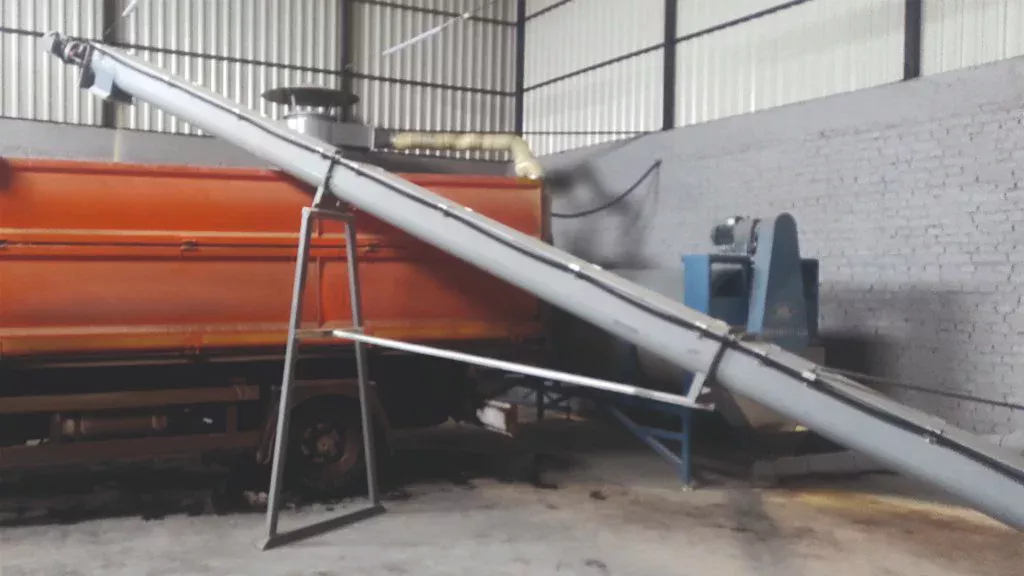
What to do if the cake has too high a residual oil content? Analysis of typical mistakes
Are you no longer satisfied with the oil content of soybean meal? What can you do to return to 7-8% oil content?

From the Challenges of the Past to Technological Leadership: How the BRONTO–VILSCOM Partnership Is Transforming Romania’s Agricultural Market
Romania, which joined the European Union in 2007, has gone through a challenging transformation of its agricultural sector. The legacy of the socialist era left the country with highly fragmented farmland and a predominance of small-scale farms, where the level of technical equipment was far below modern standards. Under such conditions, achieving high production efficiency remained a serious challenge for local farmers for many years.
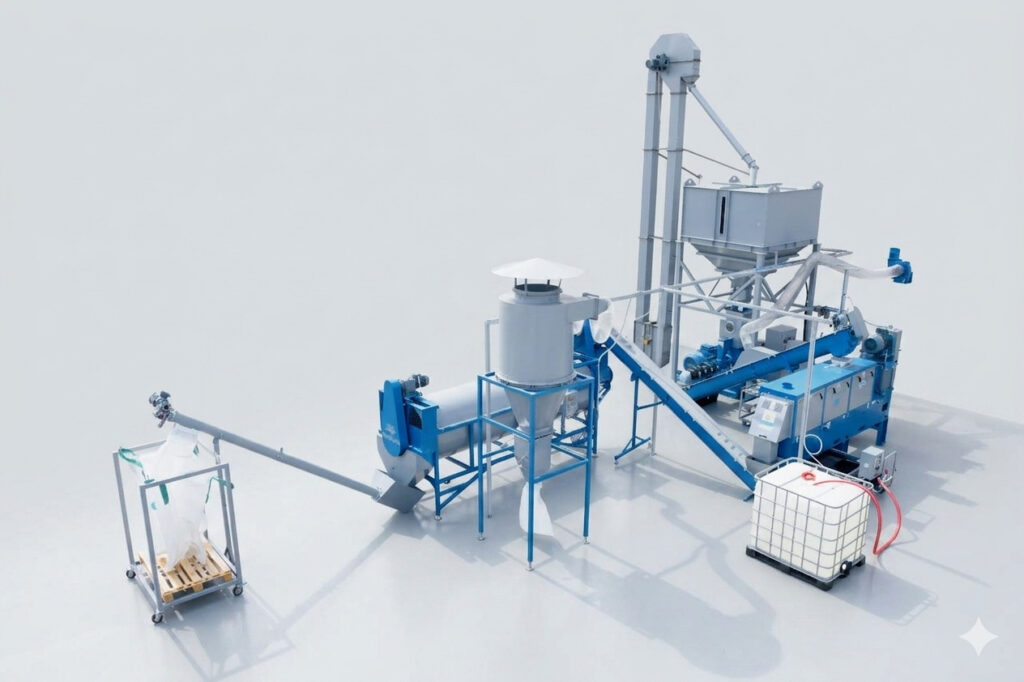
From Beans to Profit: A Comprehensive BRONTO Solution for Soybean Processing
Soybean processing is one of the most promising areas in agribusiness. However, the transition from simple cultivation to the production of finished oil and high-protein meal requires not only high-quality equipment but also proven technology. BRONTO offers a comprehensive approach, ranging from the design of a mini-plant to commissioning and start-up services.
Properties of soybean oil after pressing
Cold-Pressed Soybean OilCold-pressed oil is considered the healthiest: it has a distinct odor and doesn’t have a long shelf life.
Is it possible to unify the soybean oil pressing line and the sunflower oil pressing line?
Sunflower has an oil content of 42%. And soybean – up to 25%. So sunflower is processed in at least 2 pressings.
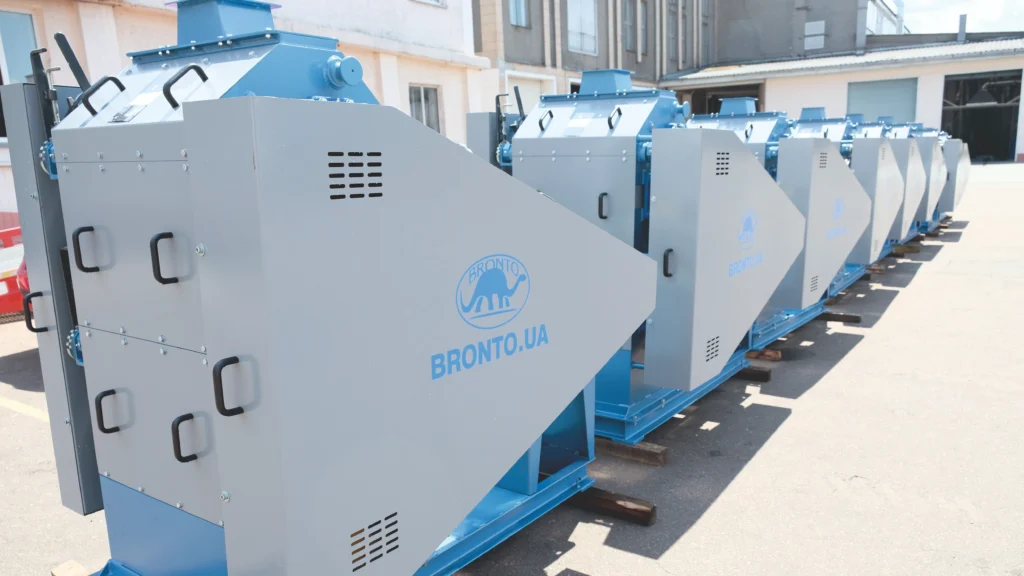
Shipment of a batch of SG-4 Dehullers
Expansion of oilseed processing into oil and cake in Mykolaiv region, Ukraine.
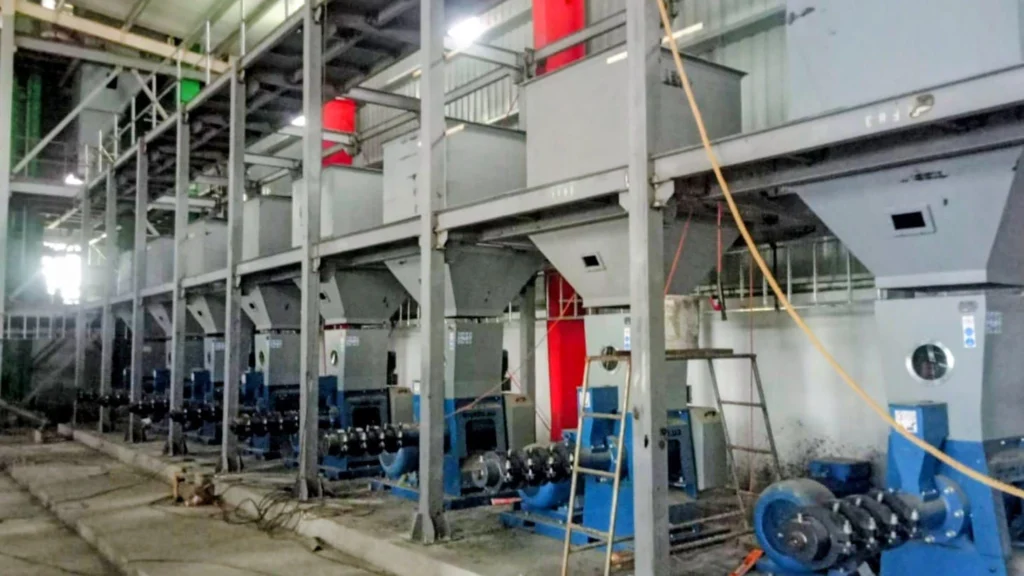
How to buy and launch a soybean processing line: a step-by-step guide from Bronto
Own soybean processing plant is a highly profitable business that allows you to obtain popular products: high-protein cake and soybean oil. However, launching such production raises many questions for entrepreneurs. What does the purchasing process look like? Who is responsible for installation? What does the term “turnkey” really mean? In this article, we analyze each stage in detail and frankly – from the first call to the line reaching maximum productivity. Soybean processing line diagram
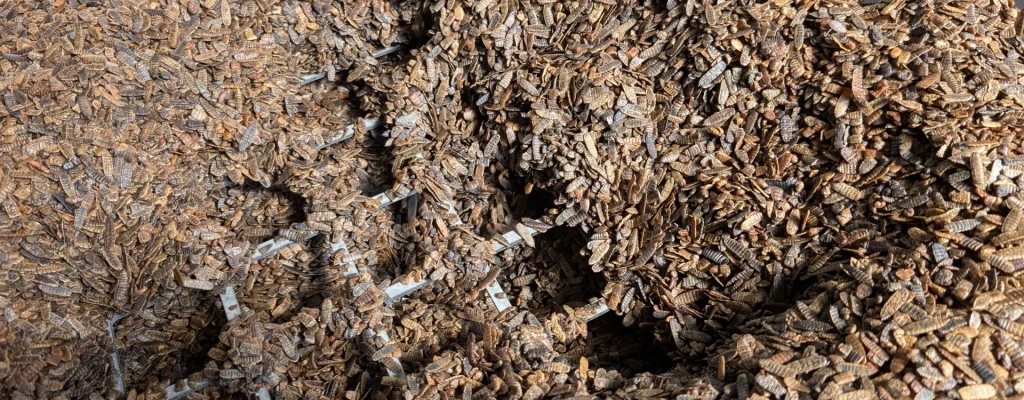
Technology for Processing Black Soldier Fly Larvae (BSFL)
The world’s population is steadily growing, and with it, the demand for food products. By 2050, the global population is projected to exceed 9.7 billion. The growing interest in a healthy lifestyle is driving demand for protein-rich diets, with protein demand expected to double by 2050. While animal protein still dominates, it faces sustainability challenges. Alternative proteins, especially those derived from insects, could supply 10–25% of global protein consumption by 2035.

How to sell soybean processing equipment in Latin America
South America is the global epicenter of the soybean industry. Today, Brazil and Argentina grow three times more soybeans than the United States. In order to enter this market with processing equipment and gain a foothold in it, the manufacturer must first prove its quality and reliability in practice under conditions of intensive loads. Competition in this region is high, so buyers choose suppliers very carefully.