SOYBEAN PROCESSING FLOW
Soybean processing flow:
Raw material storage — CLEANING — DRYING — DEHULLING — EXTRUSION — OIL PRESSING — OIL REFINING — COOLING OF SOY CAKE — Product storage
RAW MATERIAL STORAGE
The storage of seeds aims to prevent spoilage, ensuring that high-quality products are obtained during processing with minimal losses. During storage, the temperature of the seed bulk is monitored to detect self-heating.
Storage life depends on moisture content; at a moisture level of up to 12% and an ambient temperature of up to 25°C, soybeans can be stored for up to 1.5 years.
Conditioning or drying is performed in dryers by transferring heat from a heated drying medium to the seed mass. The maximum seed heating temperature during drying must not exceed 45–49°C; exceeding these limits can cause the seed coat to crack, leading to adverse processes during storage (such as oxidation or contamination).
The laboratory monitors moisture changes during drying and halts the process once the moisture content reaches 10–12.5%.
The cooled soybeans are then transferred to the storage facility.
Seed preparation immediately prior to processing involves additional cleaning and drying, as well as hulling and grinding if required. Soybeans intended for processing must comply with the requirements of DSTU 4964:2008 “Soybeans. Specifications.”
CLEANING:
Soybeans are cleaned using separators in a milling-style setup:
- light and heavy impurities are removed
- the beans are separated into fractions if necessary
- foreign impurity content is limited to 1–3%
To optimize extrusion and pressing processes, the soybeans undergo final drying immediately before processing; the optimal moisture content (for maximum oil yield) is 8–9%.
The maximum heating temperature of the seeds during drying must not exceed 65–70°C.
SOYBEAN HULLING:
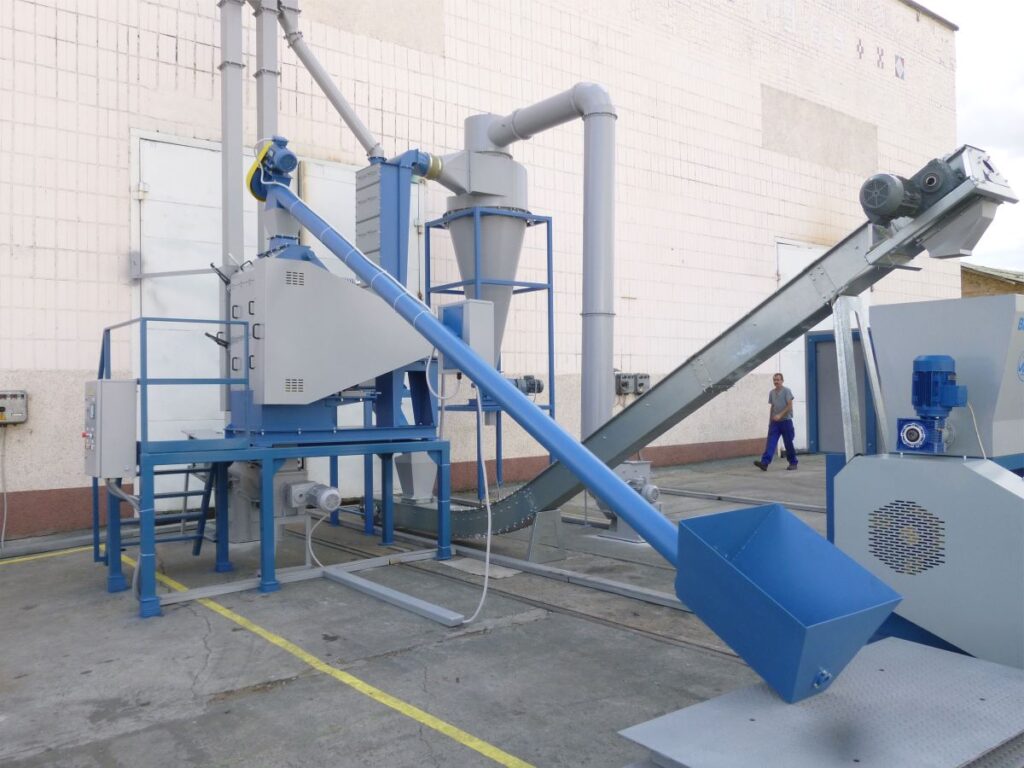
It is used to increase the protein content of the final product—soybean cake.
Extrusion:
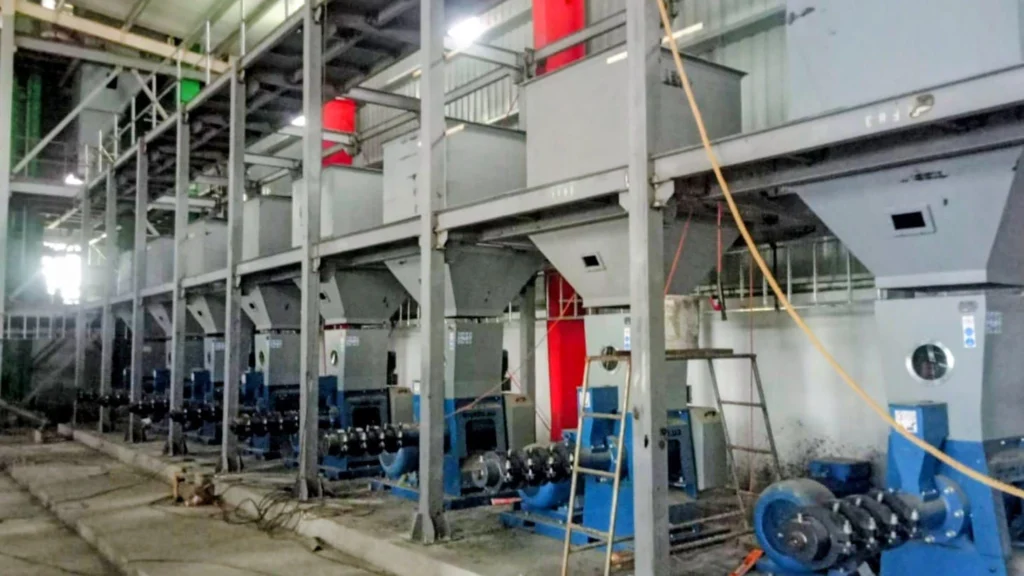
Used for:
- reducing the content of anti-nutritional substances in soybeans, such as trypsin inhibitors
- rupturing fat cells to increase soybean oil yield in the screw press
- heating the raw material prior to oil extraction in the press
Oil extraction
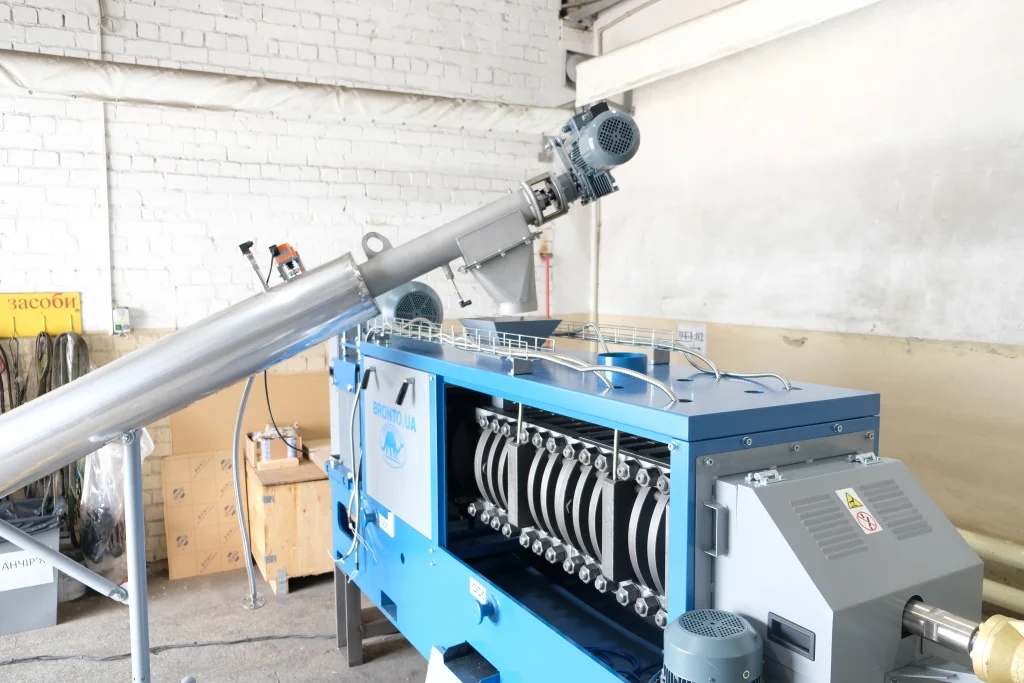
Heated full-fat soy processed in the extruder enters the press, where it is compressed and releases soybean oil.
The oil drains into a collection tray beneath the press and is pumped to settling, filtration, and storage tanks prior to shipment.
The second product of the screw press is soybean cake with an oil content of 7–9%.
Soybean oil refining
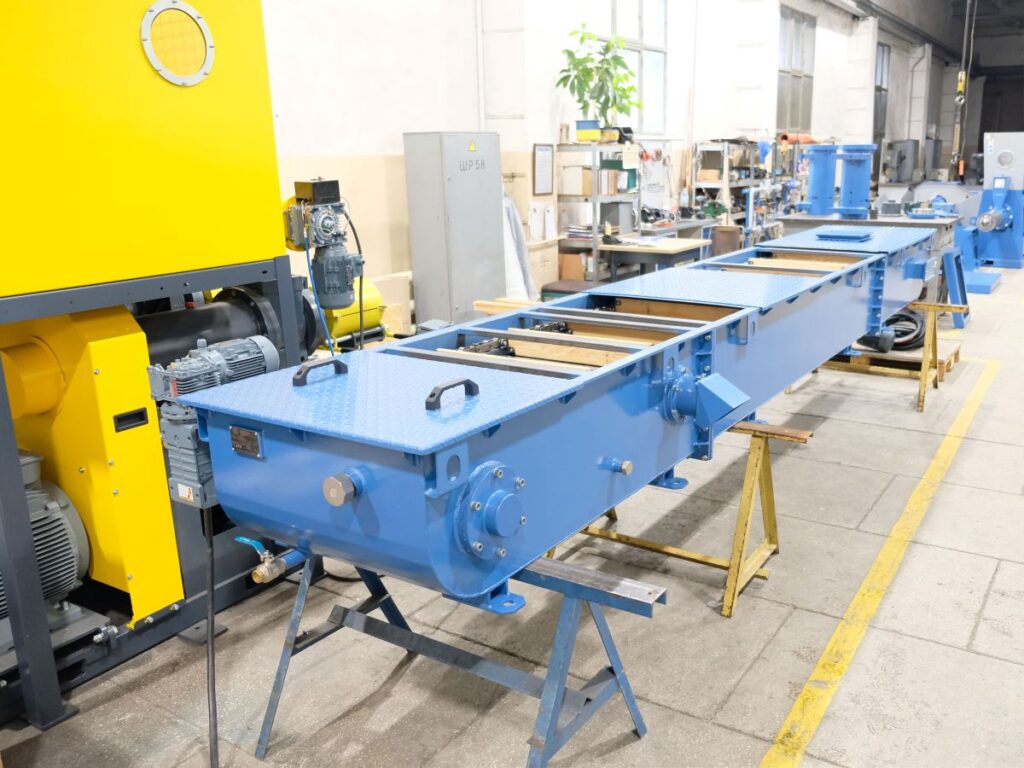
Oil obtained through extrusion and pressing possesses unique properties: high stability and low levels of phosphatides, unsaponifiable matter, and free fatty acids, as well as a low peroxide value.
The press extracts the oil through physical processes, without the use of chemicals.
The resulting oil may contain up to 3% solid particles. To pre-clean the vegetable oil of these solid particles, a two-stage process is used: first mechanical separators, followed by filters.
Food storage
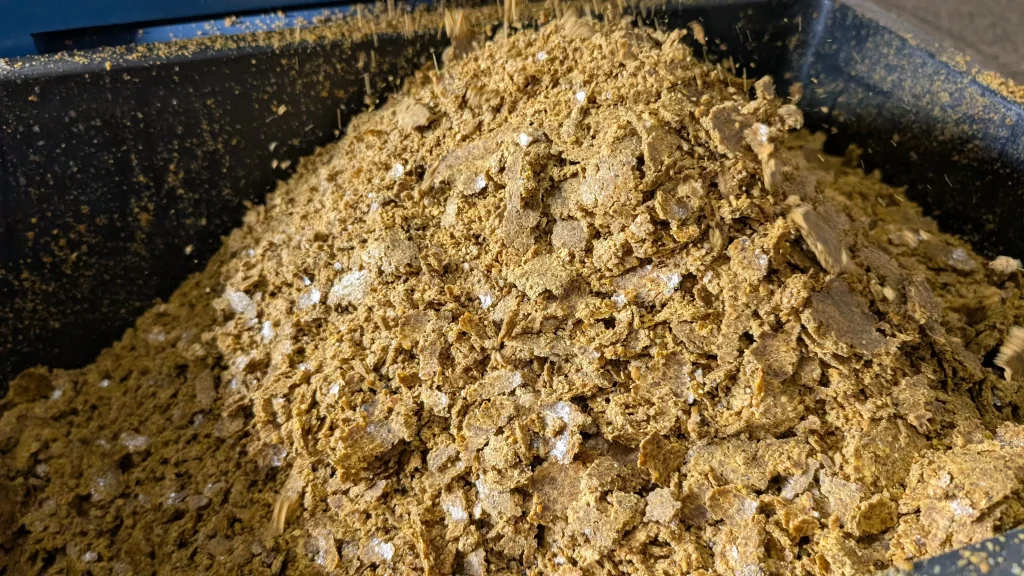
Floor storage is most commonly used for soybean meal.
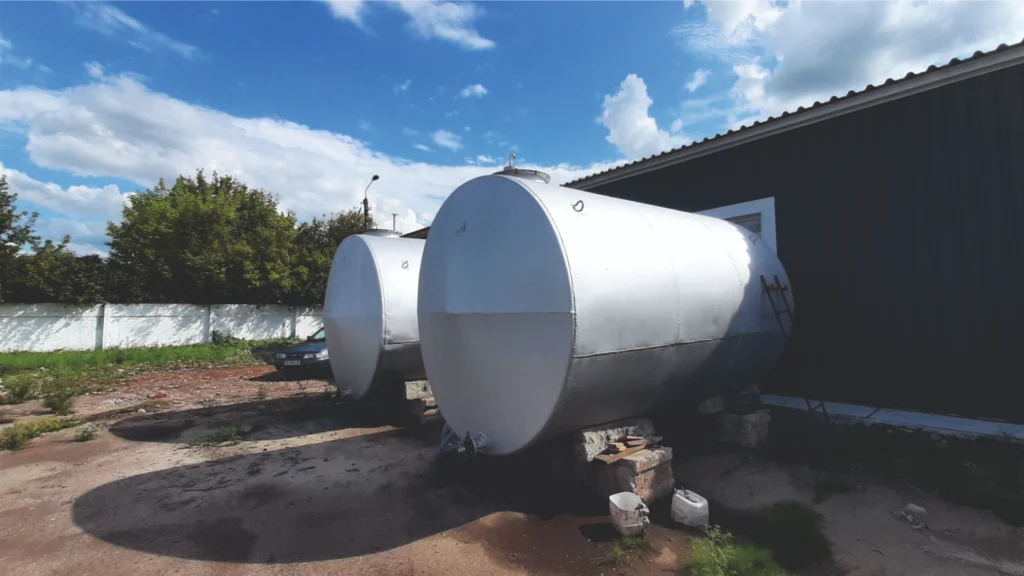
Для удобства отгрузки, соевое масло хранится в емкостях соответствующих по об’ему масловозам (которые будут вывозить масло).
it might be interesting
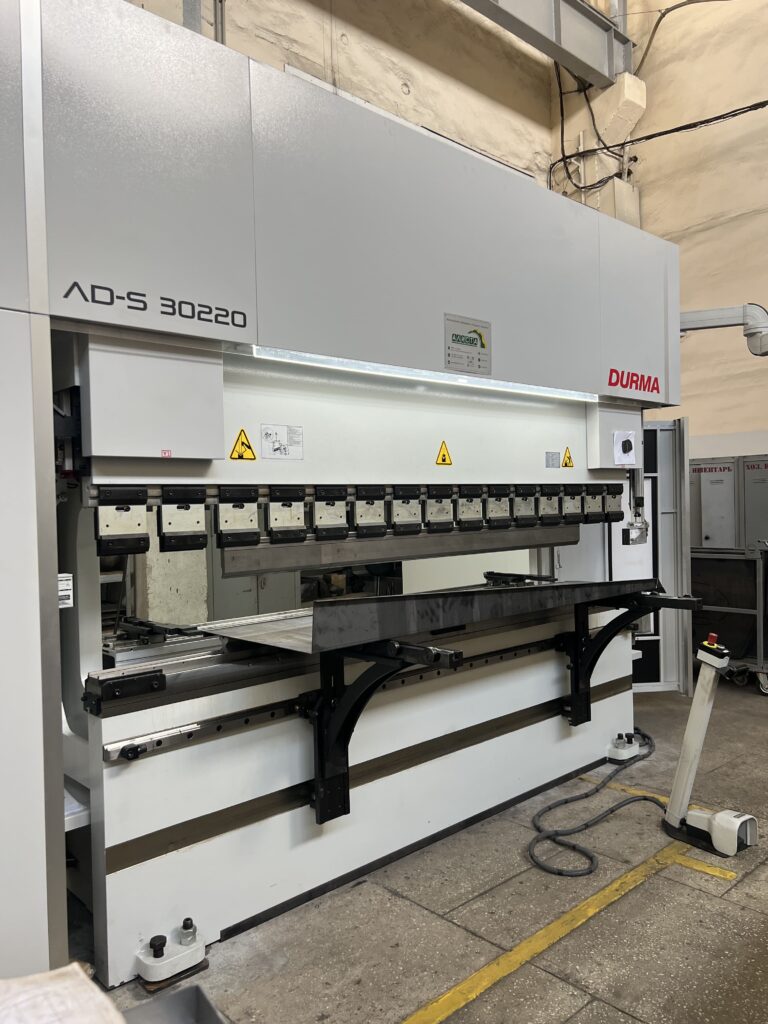
BRONTO Upgrades Production:
New CNC Press Brake by Durma for Faster, More Precise Equipment Manufacturing
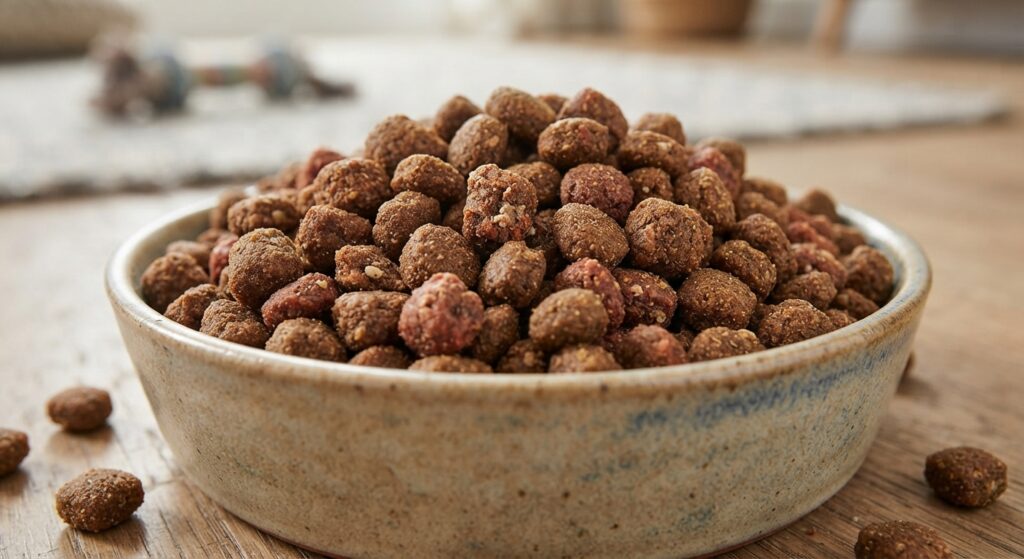
What types of animal feed can BRONTO equipment produce?
The same BRONTO technological platform — a single-screw extruder, belt dryer, vacuum cooler and pellet cooler — allows for the production of feed with completely different purposes, depending on the recipe and various settings. The difference lies not in the equipment itself, but in how it is configured: the extrusion temperature, the degree of pellet expansion, the moisture content of the mixture and the method of adding fats determine whether the line will produce dry dog food, floating pellets for tilapia or complete feed for poultry. Let’s take a look at the types of feed that are actually produced on BRONTO lines.
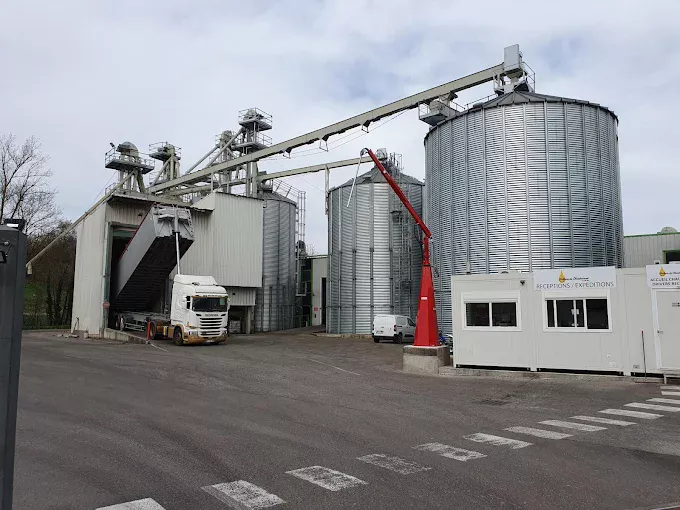
An automated soya oil production facility in France
how BRONTO helped Huilerie de Chambarand take its technology to the next level
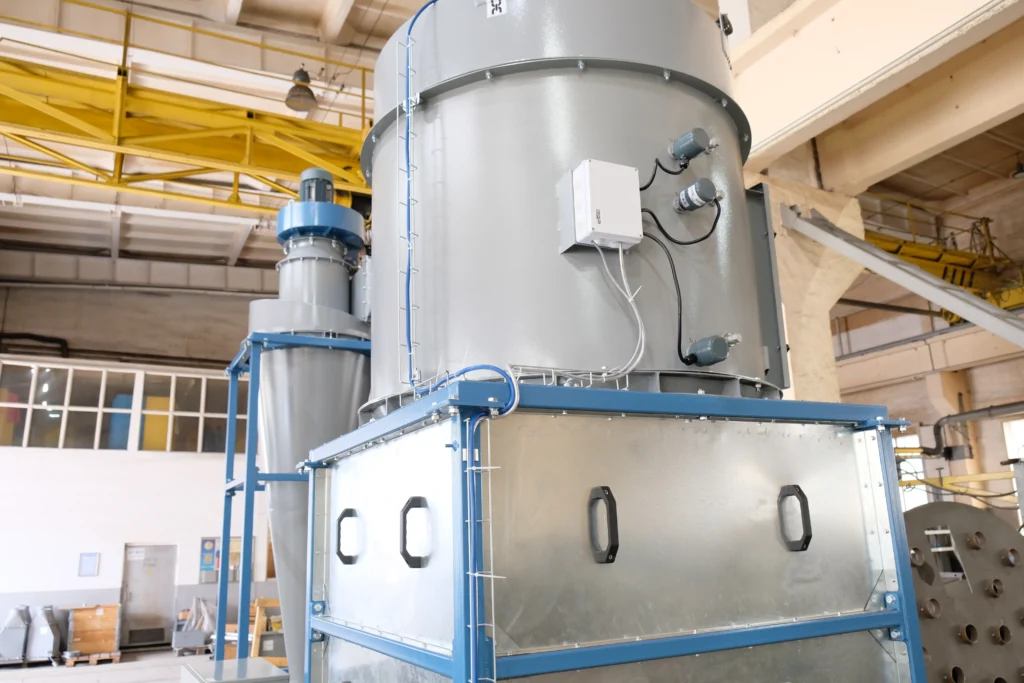
Commissioning of a new development
Our new product, the CH cooler, has been launched.