EN
Pet food, Aqua feed

Aqua Feed Production Line

production and equipment assembly

Feed production line scheme

Our equipment is used to produce:

Feed for fish and shrimp

For predatory fish

up to

20 t/d

5–20 mm, protein up to 45%,
fat 8–28%, fiber up to 5%

For carp species

up to

20 t/d

5–20 mm, protein up to 35%,
fat 15–25%, fiber up to 10%

For shrimp

up to

20 t/d

2–10 mm, protein up to 35%,
fat 15–25%, fiber up to 10%

TECHNICAL SUPPORT ALL OVER THE WORLD

We manufacture equipment that is seamlessly integrated into a complete feed line for industrial fish and aquaculture, adapted to the specific needs of our clients.

Feeds that can be produced:
  • Floating fish feed;
  • Slow-sinking fish feed;
  • Sinking fish feed


Main steps:

  • Mixture preparation according to the recipe;
  • Feed pellet extrusion;
  • Careful drying to the required moisture content;
  • Vacuum fat saturation and addition of other dry and liquid additives;
  • Final cooling of the finished product.

LAYOUT SOLUTIONS

Our equipment meets your space

ENVISION & PREDICT

Making a layout ahead of time helps you picture the project. It also gives you a clear idea of what is needed for construction, where equipment will go, how much energy will be used, and how materials will move through the facility.


It helps answer these questions:

  • if your premises, territory, access roads and power substation are suitable for the implementation of the project;
  • what is the project budget.

LAYOUT SOLUTION - WHAT IS IT?

Includes:

  • our specialist’s visit to your site;
  • measuring the premises;
  • coordinating your vision, capabilities and resources;
  • making a draft of the technological line – for the conditions of your site;
  • preparing a specification of the necessary equipment – for your conditions.

Main types of fish feed

By buoyancy:

1

Floating feed

Remains on the water surface.

Used for:

  • Carp
  • Tilapia
  • Catfish
  • Ornamental fish
  • Many warm-water species

Advantages:

  • Feeding can be observed
  • Easier to control dosage
  • Less feed loss
2

Slow-sinking feed

Slowly sinks to the bottom through the water column.

Used for:

  • Trout
  • Sturgeon
  • Fish that inhabit the middle water layers

Advantages:

  • High feed intake
  • Prevents water pollution by ammonia and phosphates
3

Sinking feed

Quickly sinks to the bottom.

Used for:

  • Sturgeon
  • Shrimp
  • Bottom-dwelling fish species

Advantages:

  • Imitates natural feeding conditions
  • Feed is not dispersed by filters or currents
  • Suitable for fish that avoid coming to the water surface

Aqua Feed Production: How to Achieve Ideal Feed Buoyancy

In modern fish farming, feeding efficiency depends not only on the composition of ingredients but also on the physical properties of the pellet. The choice between floating, sinking, or slow-sinking feed is determined by the biological characteristics of each fish species.

The most challenging to produce is slow-sinking feed (neutral buoyancy feed), which must remain suspended in the water column for an extended time, without rising to the surface or sinking immediately to the bottom.

Technology for Creating Slow-Sinking Feed

The main secret to creating feed that “slowly sinks” in water lies in controlling the degree of expansion of the raw material. To prevent the pellet from acting like a “float,” we intentionally reduce the extrusion effect:

  1. Lowering temperature: prevents abrupt moisture evaporation at the die exit.
  2. Expansion control: minimizes the formation of internal air pockets that give the pellet excess buoyancy.

This process requires utmost precision, as the result is influenced by many variables: from fat percentage and moisture content to the presence of untoasted proteins in the recipe.

Flexibility of the E-1500 Extruder Settings

To make the production line versatile and enable the manufacturing of quality slow-sinking feed, our E-1500 extruder is equipped with three control systems:

1. Pressure Control System in the Screw Section

Allows the operator to quickly adjust the pressure inside the working unit. This enables precise regulation of pellet density—the main factor affecting its behavior in water.

2. Screw Section Cooling System

For the production of suspended feed, excess heat is an enemy. The cooling system maintains a stable temperature regime, preventing excessive extrusion swelling of the raw material and keeping the feed structure more monolithic.

3. Semi-Automatic Additive Dosing

The extruder is equipped with a semi-automatic system for dosing:

  • steam and water (to control moisture and hydrothermal treatment);
  • fats and liquid mixtures (directly during extrusion).

This allows the machine to be adjusted to the required recipe in real time, ensuring high productivity without loss of quality.

When Is Slow-Sinking Feed Needed?

The use of neutral buoyancy feed is critical in the following cases:

  • Growing fish that feed in the middle water layers: Many species (for example, some salmonids or specific aquarium fish) do not rise to the surface or gather feed from the dirty bottom.
  • Maximum absorption: Slow-sinking feed remains available to fish for longer, reducing losses of expensive raw materials.
  • Water ecology: Since the feed settles to the bottom slowly, it is consumed by fish rather than decomposing in the silt. This prevents water pollution by ammonia and phosphates.
  • Intensive systems (RAS): In recirculating aquaculture systems, buoyancy control improves feeding and filtration processes.

A production line based on the E-1500 is your tool for creating professional feeds that meet global aquaculture standards.
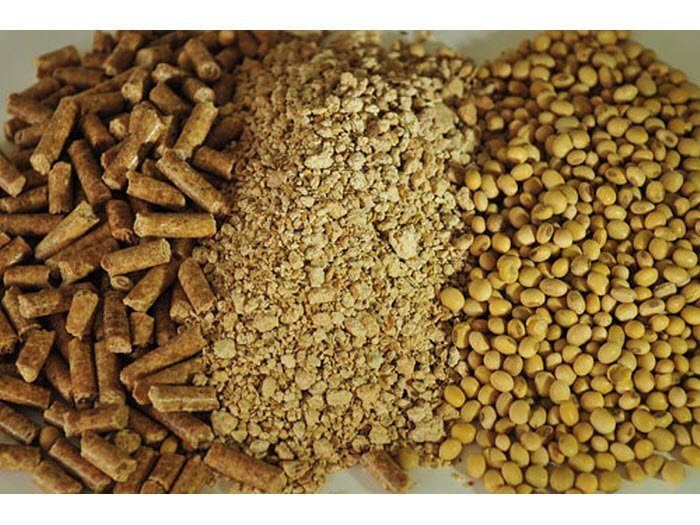
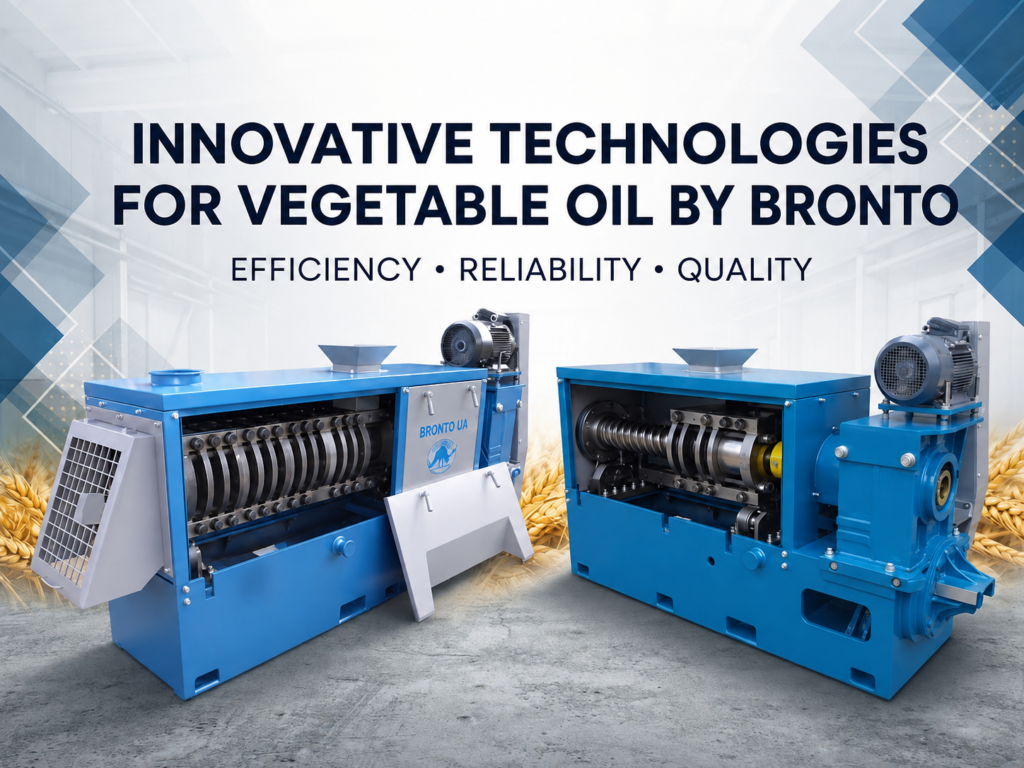
We manufacture machines in series and assemble them into technological lines for the production of aqua feed. The production capacity of the extruded feed line is from 250 to 2000 kg/hour.

Custom Solutions

We offer layout solutions:

  • For your required productivity
  • For your specific recipe
  • For your facility layout
  • For your energy supply conditions

The basic recipe is the one you plan to launch on the market: the feed’s percentage composition, its shape, pellet size, and specific weight. We understand that your recipes will change over time. However, knowing your initial plans allows us to select the optimal set of equipment for your project.


Our technology capabilities:
  • Introduction of grain components: from 15%;
  • Introduction of functional protein: unlimited;
  • Introduction of non-functional protein: up to 25%;
  • Introduction of fiber: up to 25%;
  • Humidity of the mixture before feed production: 17-20%;
  • Fat content of the mixture before feed production: up to 8%;
  • Fat content of feed after production: up to 35%;
  • Introduction of additives: up to 3 liquid and 1 dry additive.


The production line’s output depends on the recipe, raw material quality, installed equipment, and its settings.

Feed produced on the same line, but with:

  • different recipes
  • different die hole diameters

As a result, the difference in productivity can be around 150 kg/hour.

TECHNOLOGY REQUIREMENTS

ELECTRICITY:

Power line (in the workshop): min 250 kW

STEAM GENERATION:

Extruder E1500: 70–140 kg/h
Dryer BDP1000: max 430 kg/h
Steam consumption: max 570 kg/h

IMPORTANT:

The completeness and specifications of the machines in the feed line depend on the basic feed recipe.

PROCESS

STEP 1. MIXTURE PREPARATION

Weighing, mixing, and grinding of ingredients according to the recipe.

  • Supply to the weighing hopper
  • Then, unloading into the mixer
  • At the exit—a dry mixture ready for extrusion
  • Feeding of flour components by twin-screw feeders: into the extruder hopper or an operational hopper before it
STEP 2. SINGLE-SCREW EXTRUDER

90–140 °C is the temperature the raw material can reach—measured before the die plate at the end of the extruder screw section.

The feed mixture is heated to this temperature in 30–35 seconds as it moves from the preconditioner to the pellet cutter.

Two cooling jackets are installed on the extruder and are controlled via the water supply system.

Loss of nutritional properties in fats, proteins, and starch-containing components does not occur due to the short processing time.

STEP 3. BELT DRYER

As a result of extrusion/expansion, the moisture content of the feed pellet can reach 20–25%. In the dryer, the product is gently dried to a moisture content of 8% and pre-cooled to 40 °C.

STEP 4. Pellet Separation

Dust fractions and glued pellets (agglomerates) are removed.

STEP 5. COATING

Since the fat content of the mixture before extrusion is limited to 8%, all additional fats according to the recipe are added in the coater. Depending on the recipe, up to 30% additional fats can be added to the pellet.

Other ingredients are added via a micro-additive feeder.

During the coating stage, the following are added:

  • Fat-soluble and water-soluble premixes
  • Hydrolyzed additives (up to 3 types)
  • Dry additives (1 mixture of additives)

Vitamins are destroyed at temperatures above 45 °C.
That is why, in our technology, vitamin additives are introduced into the feed pellets specifically during the coating stage.

STEP 6. COOLING

After coating, the feed pellet is forcibly cooled to a maximum of 5 °C above ambient temperature:

  • to stop thermal processes in the pellet
  • to prevent the destruction of vitamin additives
  • to avoid moisture condensation in hermetically sealed feed packaging

After cooling, the pellets are packed and shipped to the finished product warehouse.

Equipment manufacturer: BRONTO
Equipment and technical support are available from representatives in 23 countries.

CONTACT OUR EXPERTS

TECHNICAL SUPPORT

We ensure this

1

Project approval

  • Experiments/runs on your raw materials;
  • Layout solution as BRONTO equipment will be placed in your premises;
  • Consultations on requirements for premises, raw materials and equipment.
2

EQUIPMENT INSTALLATION AND START-UP CHIEF

  • APPLICATION for commissioning;
  • Consultations on commissioning.
3

WARRANTY SERVICE

  • APPLICATION for warranty service;
  • Advise on improvements / changes that you find useful in BRONTO products.
4

AFTER-WARRANTY SERVICE

  • Equipment repair;
  • Do-it-yourself repair consultations;
  • Spare parts sales.

CONTACT OUR EXPERTS

Our site uses cookies.

This site uses cookies to save your preferences and personalize advertising offers. By clicking “Agree”, you consent to the use of cookies and accept our privacy policy.

Privacy Policy