Soybean Processing Lines in Nigeria
equipment manufacturing and layout
Order a soybean processing line
for industrial enterprises in Nigeria
Equipment supply and support through a representative in Nigeria
We manufacture equipment and complete production lines
for mechanical processing of soybeans:
- to cake
- to vegetable oil
Equipment production takes place in Cherkasy, Ukraine.
| Parameter | Value |
|---|---|
| Line productivity | min 24 t/day |
| Installed capacity | from 145 kW |
| Products | cake, oil, full-fat soybeans |
| Oil content of cake | 7-8% |
| Oil cake output | up to 20 t/day |
| Oil output | up to 3.8 t/day |
Bronto Representative in Nigeria
S. ADISS AGRICULTURAL ENGINEERING LIMITED
Addresses: Km.10, Along Ibadan/Lalupon Road,Oganla, Ibadan, Oyo State, Nigeria
Website: http://sadissengineering.com/
Tel.: +2348023504754
E-mail: s.adissengineering@gmail.com
In Nigeria, soybean processing lines are sold, serviced and supplied with spare parts exclusively through our technical representative:
- delivery;
- customs clearance;
- installation control;
- commissioning;
- consultations on setting up operating modes;
- spare parts supply.
Video about soybean processing
soybean processing from Bronto
 Look
LookHow to deliver a soybean oil plant to Nigeria
Our representative:
- Understands all the peculiarities of doing business in Nigeria and has the ability to quickly solve your production tasks;
- Assesses your capabilities to provide electricity to the future soybean processing plant;
- Inspects and takes measurements in your premises where you plan to place a soybean processing line;
- Transfers the received data to us. We perform a graphic layout of the line in your premises and draw up a list of necessary equipment;
- Agrees with you the list of equipment, signs a contract for the sale of a set of equipment;
- Organizes customs clearance and delivery of equipment for your soybean processing plant
- Supervises the correct installation and connection of the soybean processing plant;
- Organizes start-up and demonstrates to your workers the operation settings and maintenance of the line;
- Provides warranty obligations;
- Provides the supply of spare parts and service consultations.
We work in tandem with our local representative in Nigeria.
Write or call us – we will immediately connect you with colleagues on site:
You can also contact us. We are ready to answer all your questions.
Soybean Processing Line: Complete Process Overview
Why is soy processed:
Soybeans are a source of protein, but they contain antinutrients. To reduce the antinutrient content, soybeans are extruded. To increase the protein content, soybeans are pressed for oil.
What products can be obtained from soybeans?
- Oilcake with a protein content of 36-46% – up to 800 kg per ton;
- Soybean oil – up to 140 kg per ton;
- Soybean hulls – up to 70 kg per ton.
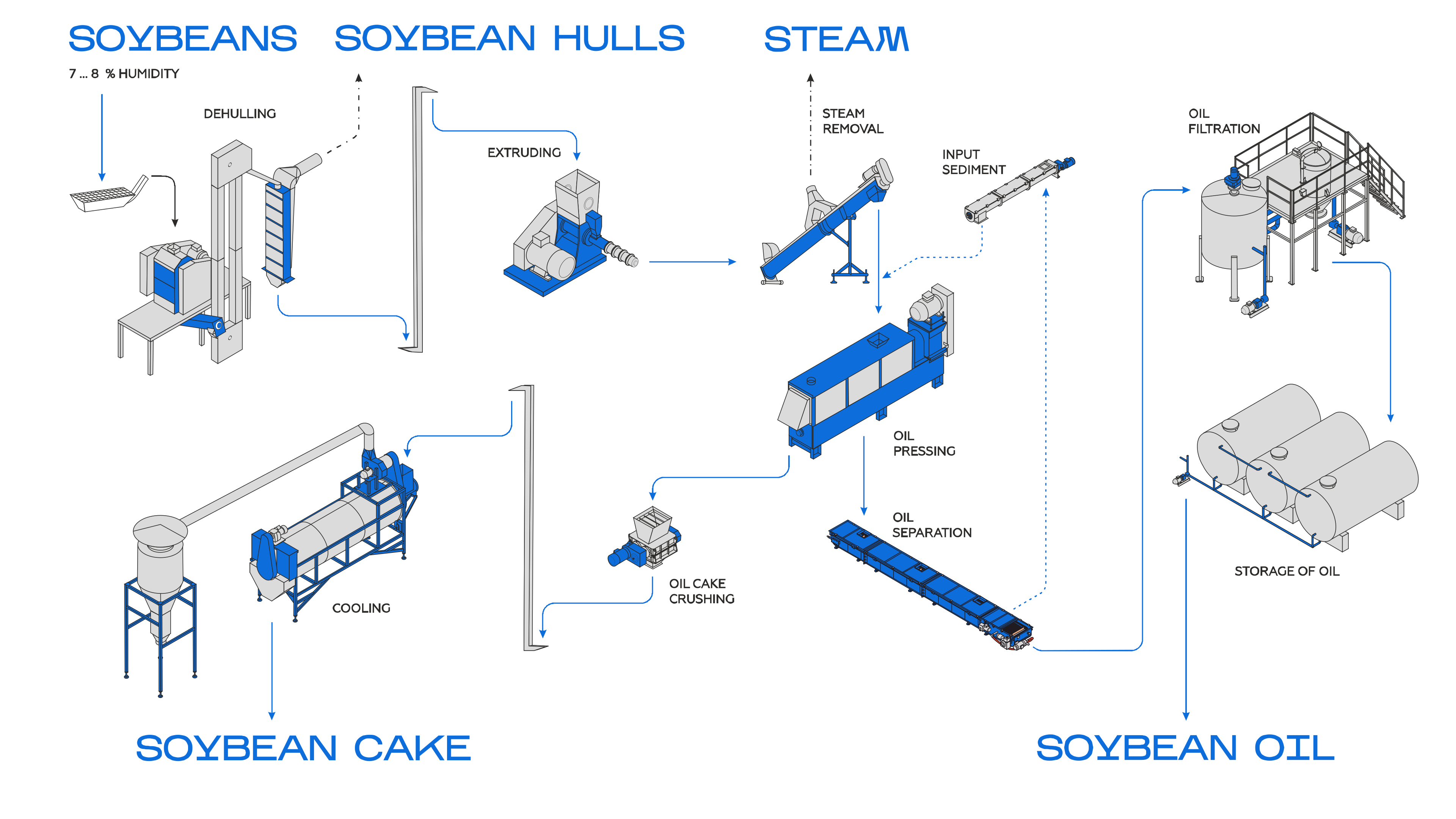
How a soybean processing line works. Main stages of soybean processing:
1. Drying
2. Cleaning
3. Shelling
4. Extrusion
5. Humidity and temperature control
6. Oil pressing
7. Oil cake grinding
8. Oil cake cooling
9. Oil purification
10. Quality control of cake and oil
Where is this line used?
Soybean processing lines are used in the feed industry for the production of protein feed components and in agricultural enterprises for the processing of their own soybean harvest.
Advantages of your own soybean processing.
Most of the customers we surveyed consider the following to be the main advantages:
- quality control and parameters of cake production – significantly increases the efficiency of soybean-based feed;
- increasing the profitability of the final product – soybean processing increases the added value of soybean cultivation.
Application of soybean processing plants
Industries that use soybean processing plants:
- compound feed plants;
- livestock farms;
- poultry farms;
- oil production enterprises.
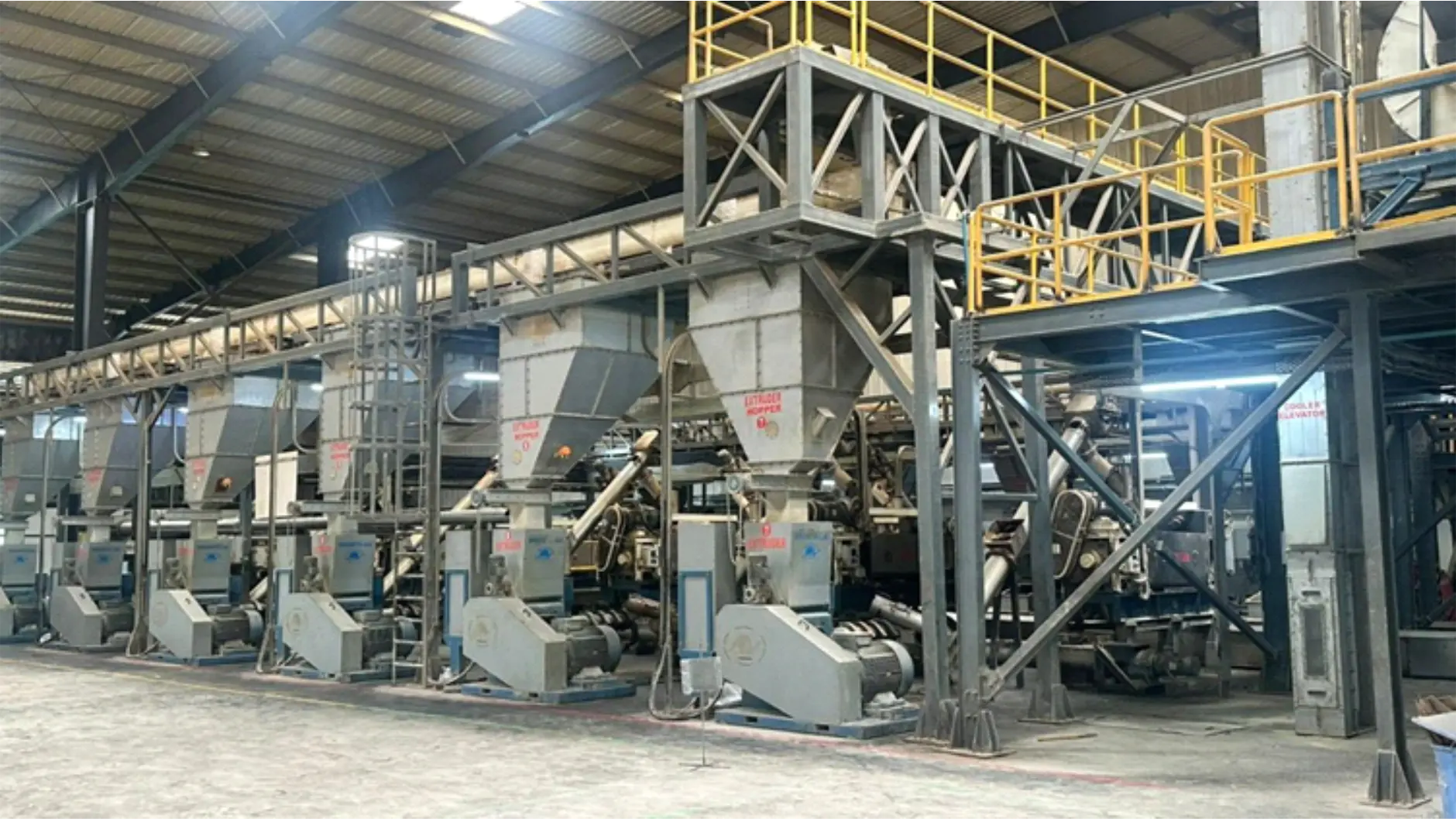
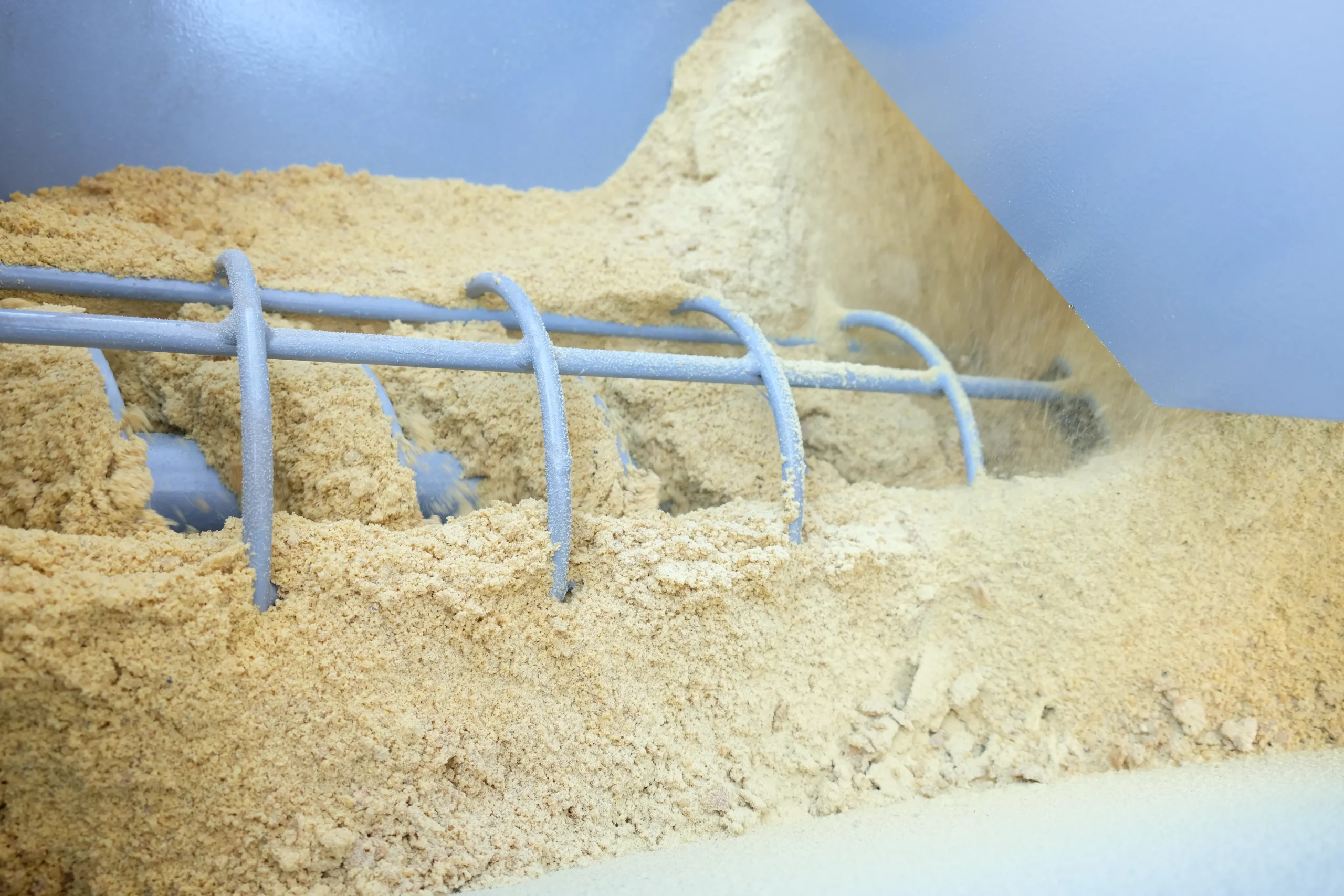
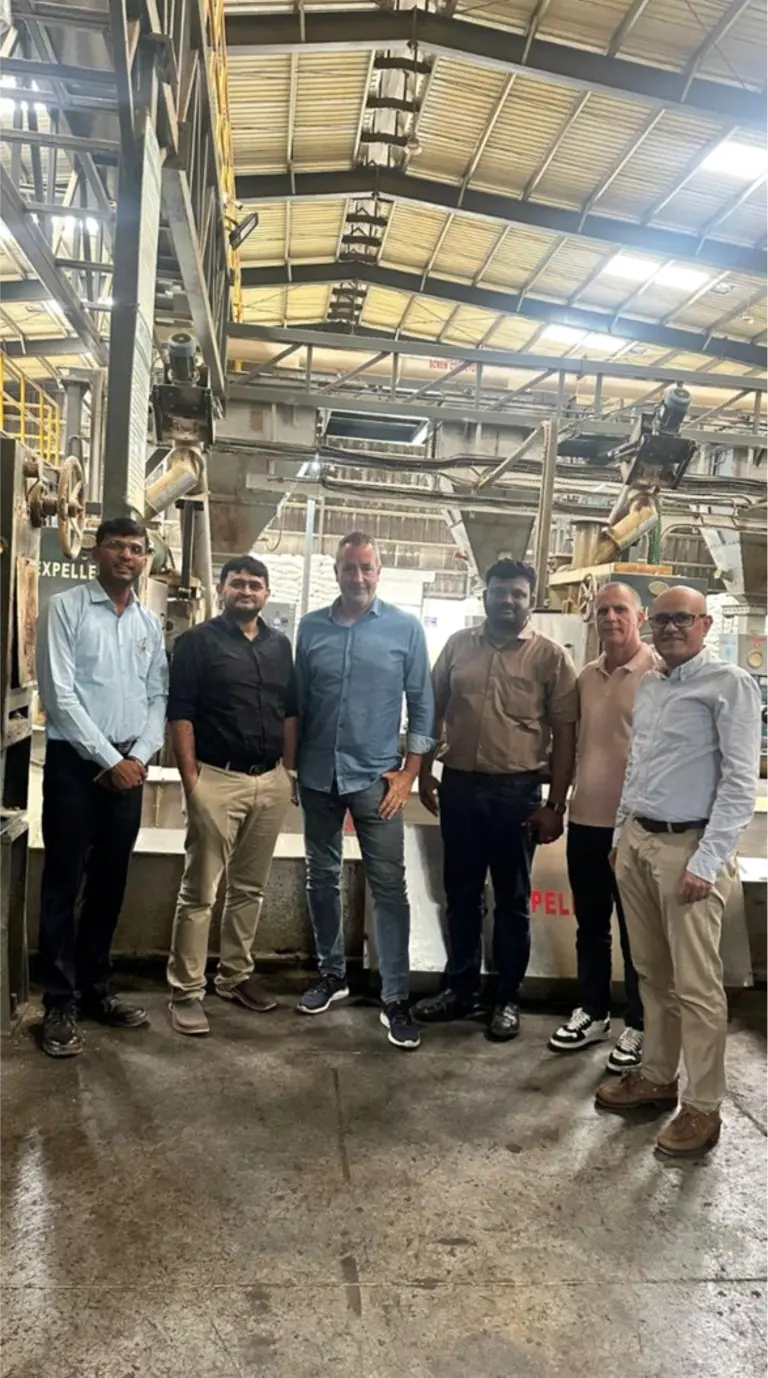
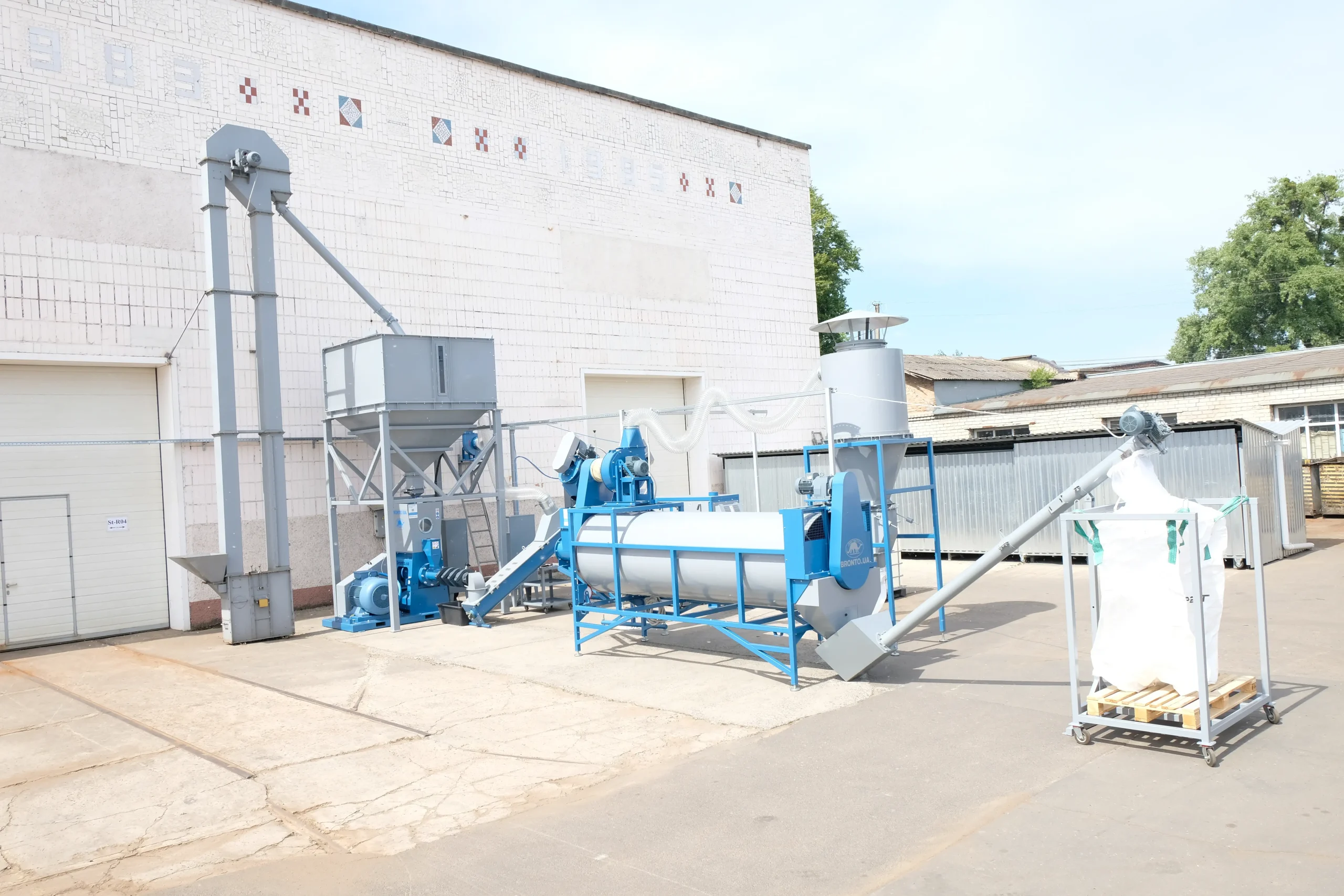

The main stages of soybean processing:
Drying
After storage, soybeans (with a moisture content of up to 12%) are dried to 8% and cleaned of impurities.
Each percentage of soybean moisture above 8% reduces the yield to 1.5% of oil when pressed. Therefore, drying is an important economic factor in the processing process.
On the other hand, overdrying less than 7% will negatively affect the condition of the protein in the meal.
Cleaning
Before processing, soybeans must be cleaned – according to storage standards.
Cleaning from mineral and metal impurities has a positive effect on the durability of the wear parts of the extruder and press.
Soybean hulling
If necessary, the beans are crushed and up to 90% of the shells are removed in an air separator. The need arises when it is necessary to increase the protein content in the meal, or it is planned to produce texturates from the final processed product.
Shells occupy 5-7% of the specific weight of soybeans. Removing the shell before processing leads to an increase in the protein content in the meal by 1.5-2.5%.
When using the meal for the production of texturates, removing the shells is considered as removing part of the fiber.
Extrusion
Through operational tanks, soybeans are fed into a soybean extruder. The beans are crushed, subjected to pressure up to 15 Atm, and short-term heat treatment at a temperature of 135-145 °C. Extrusion reduces urease activity to 0.05-0.2 pH (trypsin inhibitor content up to 2-4.5 mg/g).
The raw material is processed in a soybean extruder for no more than 30 seconds. Therefore, both proteins and fats in soybeans retain their nutritional qualities.
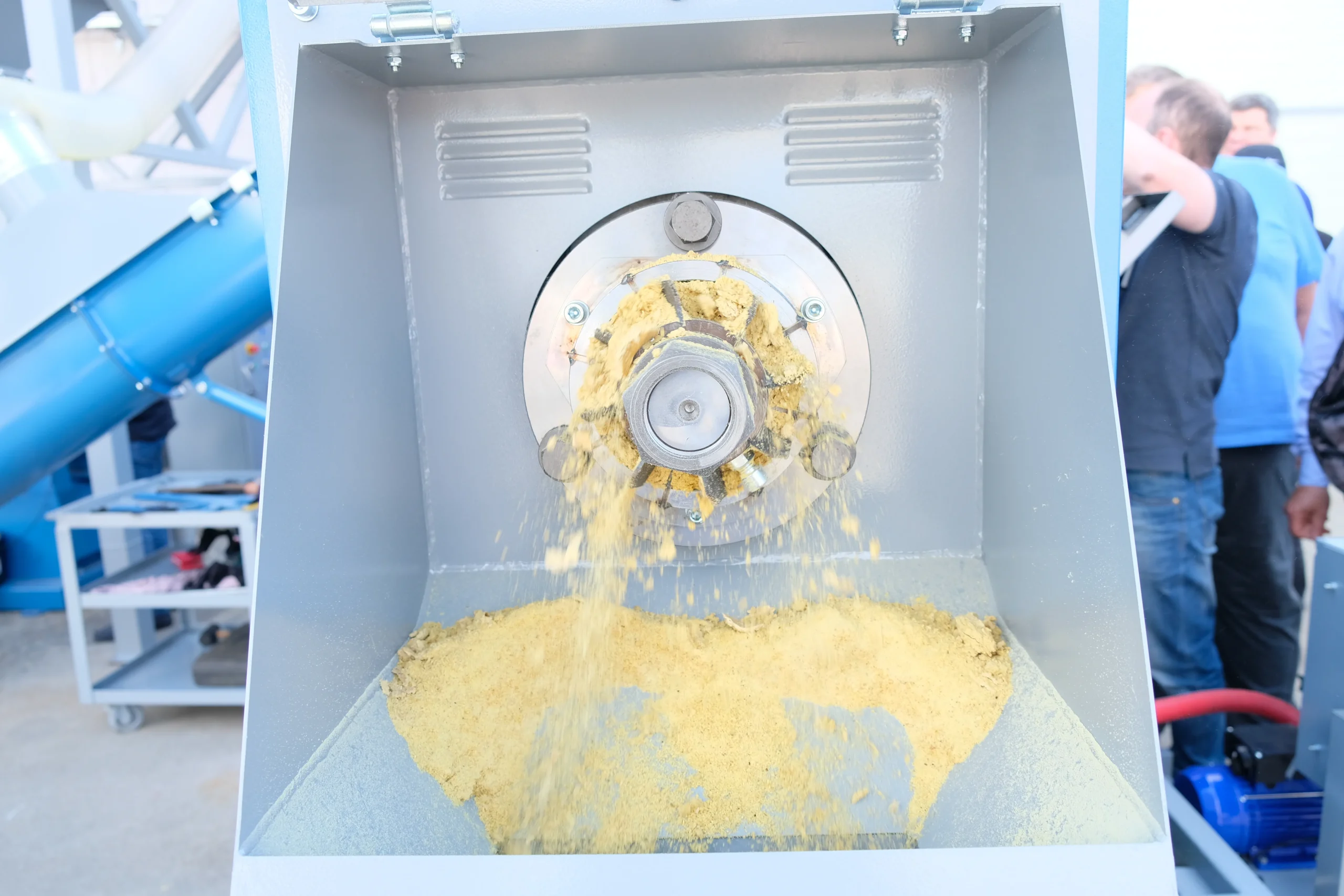
The extruder produces full-fat soybeans – full-fat, heated soybean groats, which themselves can be used as a fat component of feed.
Humidity and temperature control
Full-fat soybeans from the extruder are transported to the oil press by a feeder with a ventilation and steam extraction system. The temperature is reduced to 90-105 °C. Moisture removal from the raw material is controlled before pressing.
Adjusting the volume of air pumped through the feeder affects the temperature and humidity (within 1-2%) of the full-fat soybeans at the oil press inlet.
Important: Stabilizing these indicators at the press inlet directly affects the increase in its throughput and ensures a higher percentage of oil extraction.
Oil pressing
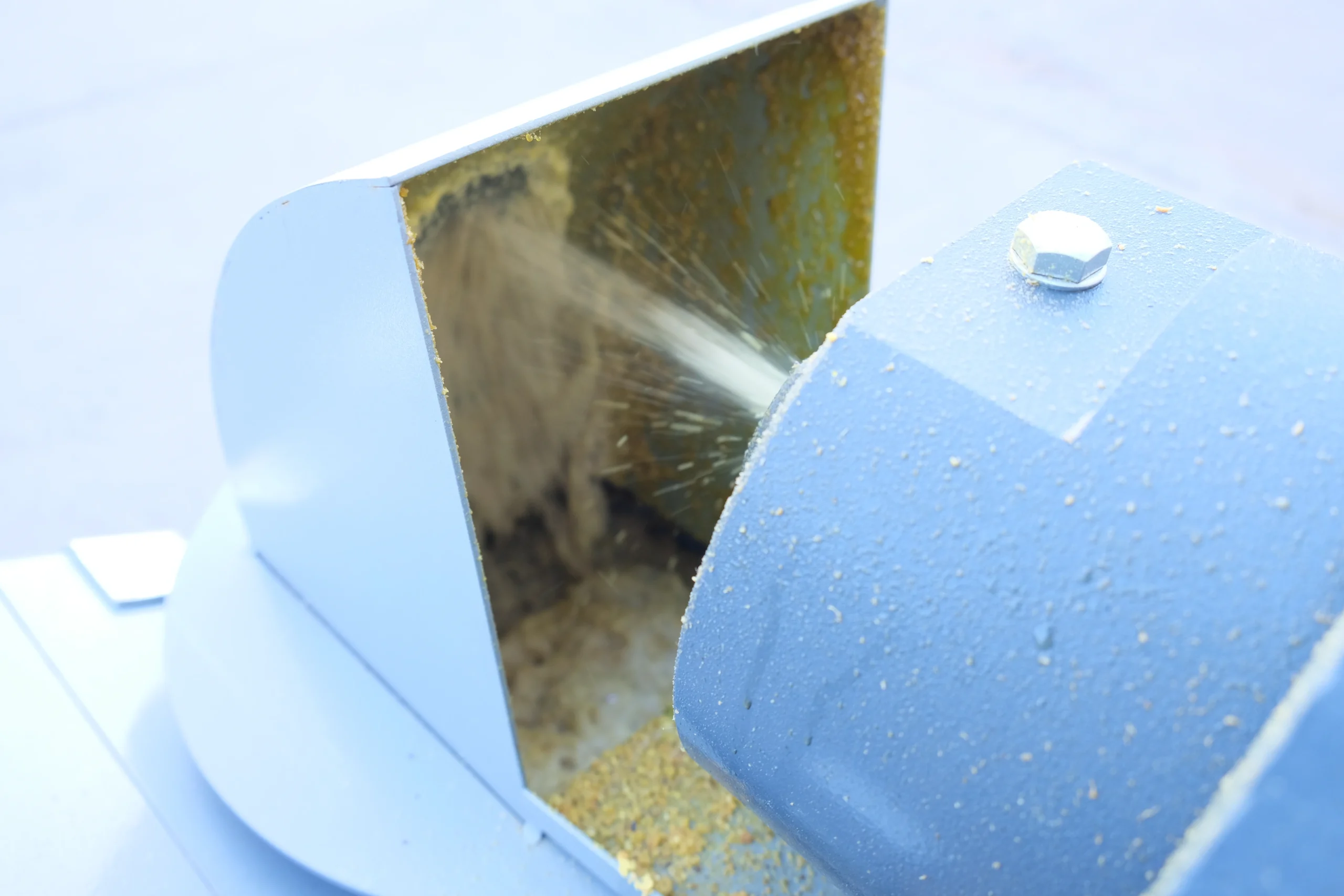
In a screw oil press, up to 140 kg of oil is pressed in one pass (by mechanical compression between the screws and the pressing chamber). 7-8% of fat remains in the meal.
Non-chemical extraction of soybean oil takes place
The raw material is transported along the pressing chamber and is gradually compressed (by reducing the volume between the chamber and the screw conveyor). The oil is squeezed into the gaps (from 1.0 to 0.1 mm) between the pressing bars, and the defatted meal is discharged through the discharge unit.
In a soybean oil press, the pressure in the pressing chamber is controlled – by automatically changing the shaft speed. This reduces the human factor and allows you to increase the production of soybean oil.
Oilcake grinding
Oilcake is ground in a roller crusher.
This technological process improves the efficiency of subsequent cooling of soybean oilcake, and also facilitates oilcake dosing when forming feed mixtures.
Oilcake Cooling
The oilcake is fed into the cooler. The temperature of the soy product is reduced (to a temperature of 10 °C above ambient temperature). This is necessary to maintain the consumer condition of the protein in the oilcake.
The oilcake processing processes are completed and it is fed into storage before shipment.
Oil purification
The oil is sent for preliminary purification from solid particles: settling or preliminary filtration of the oil occurs.
Mechanical pressing of vegetable oil assumes the presence of up to 3% solid impurities. Their removal from soybean oil is carried out by settling and/or preliminary filtration.
Quality control of oilcake and oil
During the processing process, it is necessary to control urease activity (trypsin inhibitor content).
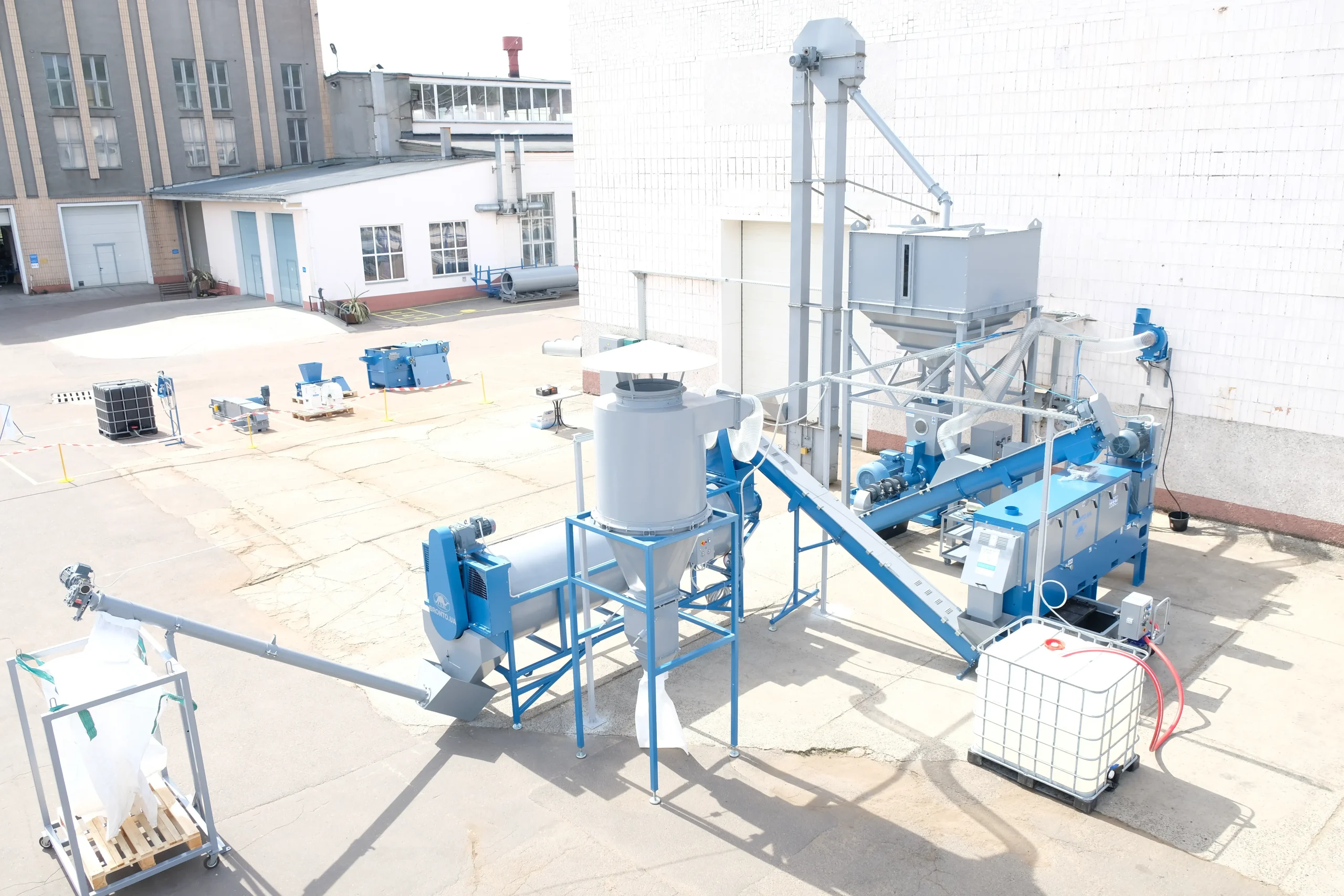
The line equipment may vary depending on the requirements of the customer, his premises, logistics in the production area, the characteristics of soybeans and the depth of automation, but it necessarily includes:
- raw material storage (floor storage, dump pit, bunker);
- feeders for moving soybeans, full-fat soybeans and cake (in the workshop, warehouses, for shipment);
- extruder (to reduce: urease activity to 0.05-0.2 pH / trypsin inhibitor content to 2-4.5 mg/g);
- oil press (for pressing oil from heated full-fat soybeans);
- cake cooler (to maintain consumer conditions of protein in soybean cake);
- oil separator (for preliminary purification of soybean oil from solid impurities);
- tanks (for oil storage);
- exhaust ventilation system (to control raw material humidity in the process soybean meal production);
- equipment control cabinets;
- basic laboratory (for measuring urease activity, protein content and oil content of meal).
Additionally, the line may include:
- dryer (to ensure soybean moisture content of 8% – before processing)
- hulling complex (to remove soybean hulls from the process)
- oil pre-filtration line
- cake crushers
- cake humidifier
- motor load control systems
- motor soft start systems
- scales
- forklift
We propose the following steps for implementing soybean processing projects:
Coordination of soybean meal and oil production capacity
We manufacture lines with a capacity of 24 tons/day.
Determining the conditions for the location of production
Requires at least 145 kW of electrical power, a height of at least 4.5 m in the premises, an area for raw materials for production and for storing soybean meal and oil.
Adaptation of our production line to the real conditions of the customer
Preparation of the specification (list) of equipment that will allow the project to be implemented
Signing of the contract between the customer, the representative in Nigeria and Bronto
Agreement on the terms and conditions of delivery, signing of the contract.
Contract execution
Our representative in Nigeria will arrange the delivery of the equipment, its customs clearance and support during the installation of the soybean line.
Commissioning
Our representative in Nigeria will supervise the commissioning of the soybean processing line.
Bronto also has the ability to send its specialists to commission the soybean processing.
Implemented projects
Go to blog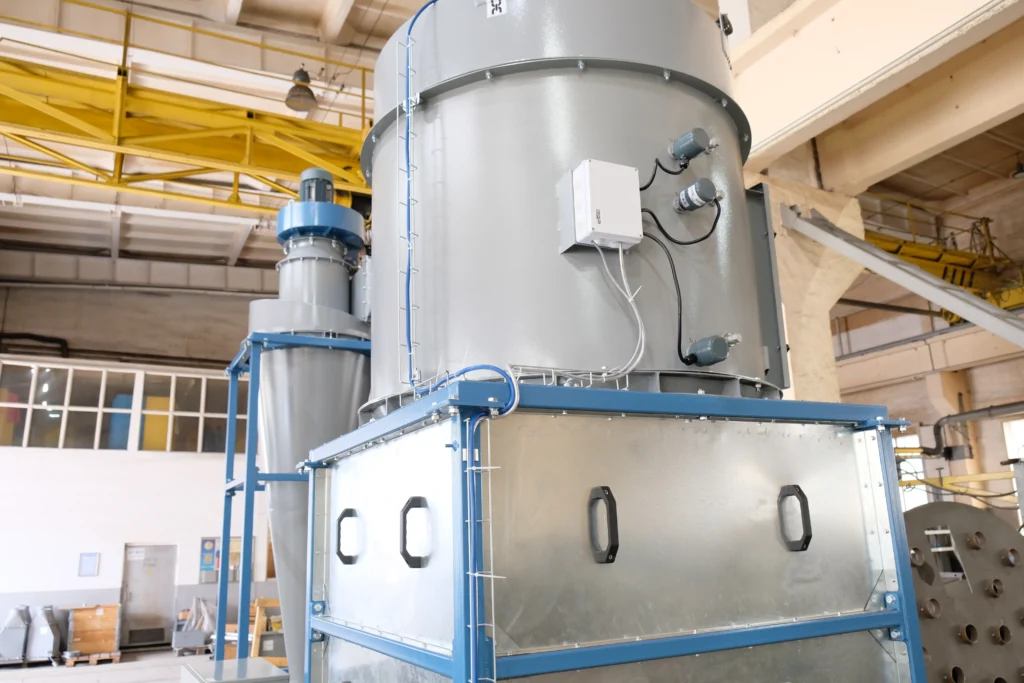
Commissioning of a new development
Our new product, the CH cooler, has been launched.
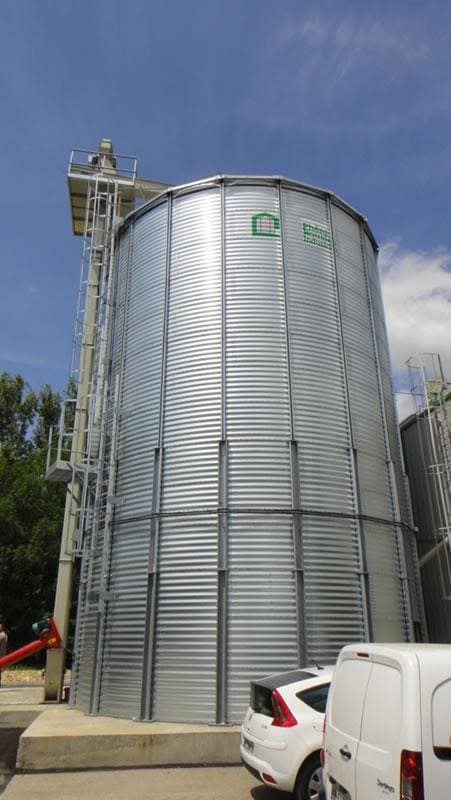
Case study: How a KAL SYSTEM dealer established market leadership in the soya processing sector in Hungary
Sector: agricultural processing, grain storage and animal feed equipment Market: Hungary Partner: KAL SYSTEM (dealer for Cherkasyelevatormash equipment).
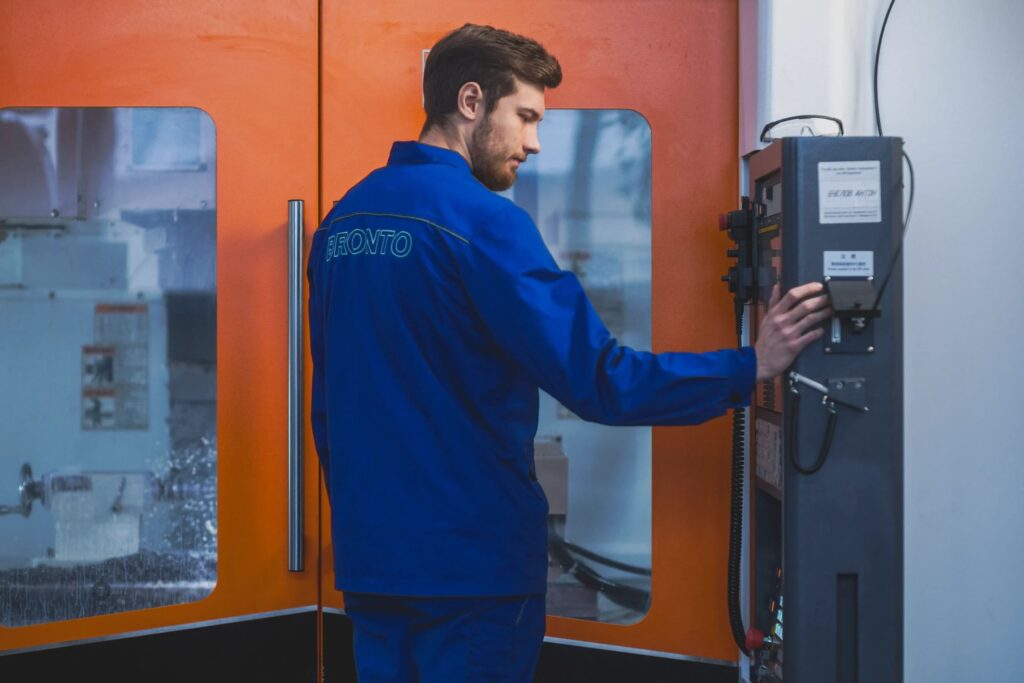
BRONTO’s Technological Leap: A New Generation of Equipment for the Manufacture of Spare Parts
A major upgrade of equipment has taken place at the BRONTO factory’s production facilities. We have taken another step towards excellence by replacing outdated, older-generation German-made machine tools with an automated CNC system from South Korea and the latest software.
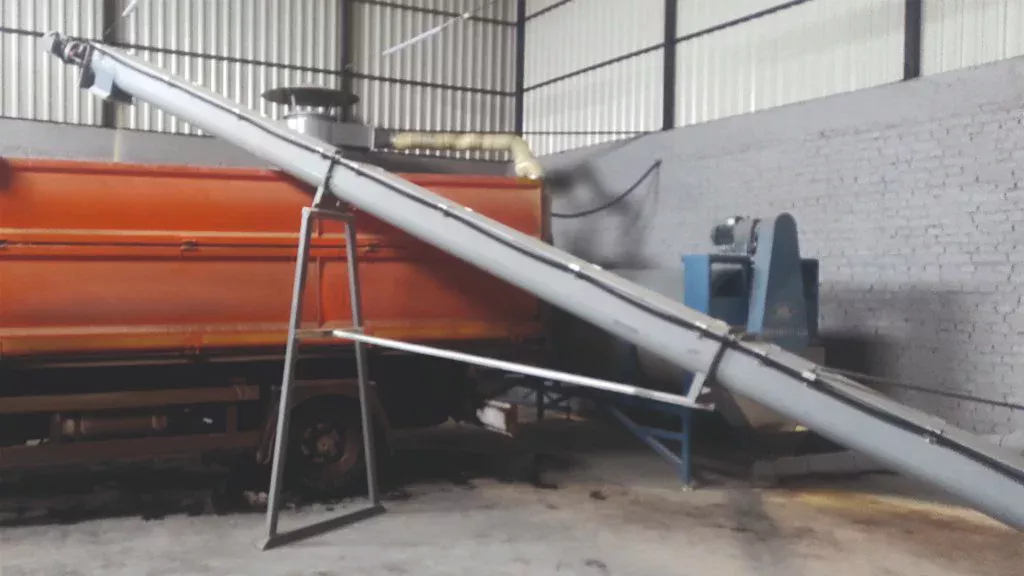
What to do if the cake has too high a residual oil content? Analysis of typical mistakes
Are you no longer satisfied with the oil content of soybean meal? What can you do to return to 7-8% oil content?
Bronto representatives and buyers
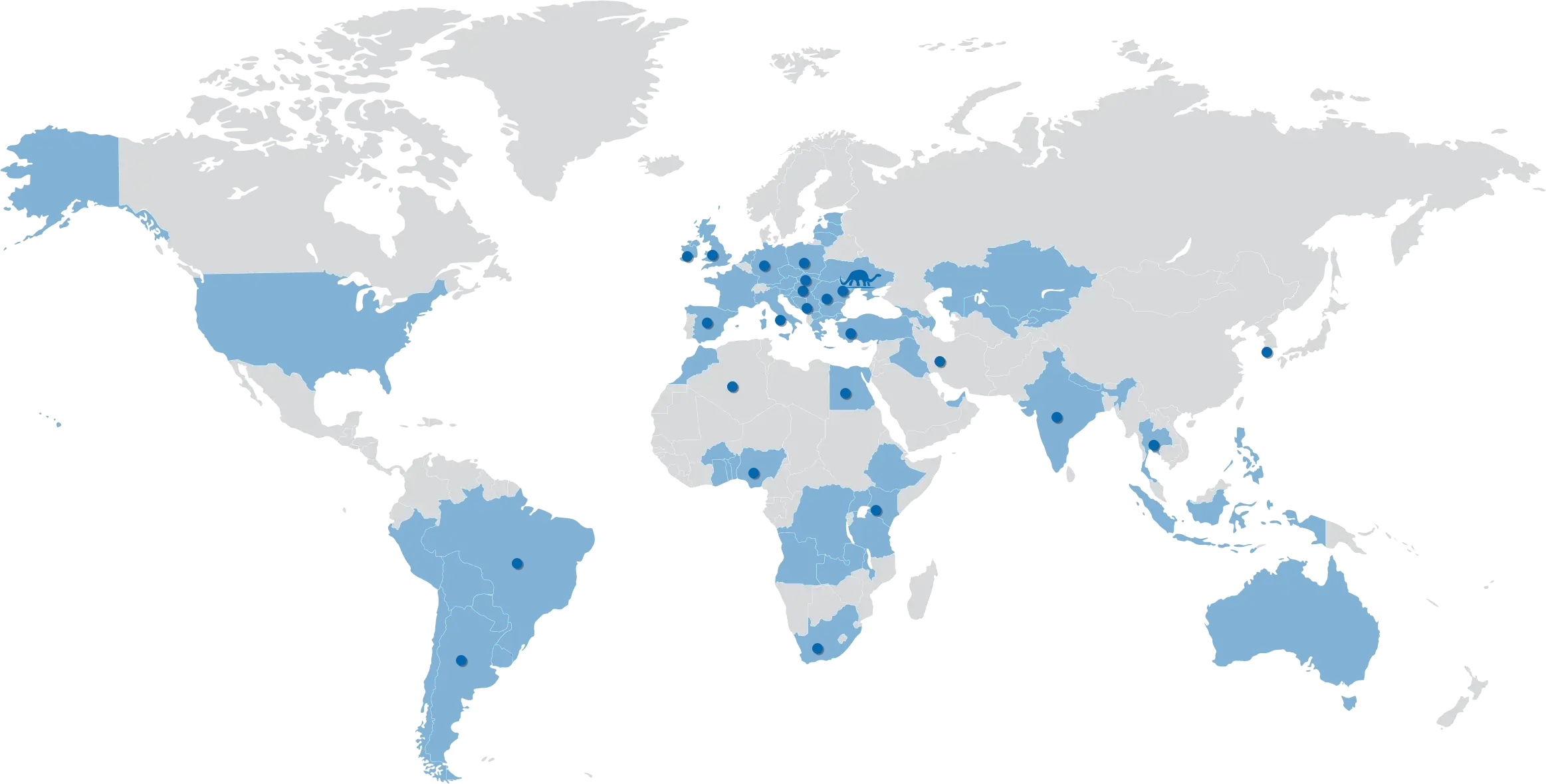


We have representatives in 23 countries:
- Nigeria
- Egypt
- Algeria
- Kenya
- Argentina
- India
- Serbia
- South Africa
- Romania
- Thailand
- Hungary
- Poland
- Greece
- Brazil
- Moldova
- Italy
- Словаччина
- Great Britain
- Spain
- Uzbekistan
- Germany
- Ireland
- Iran
We are open to cooperation.
We are reliable and accessible.
FAQ
What is the capacity of the soybean processing line?
The minimum productivity of the line is 24 tons/day.
The maximum productivity of the production complex, which we supplied to the customer, is 480 tons/day.
How to start soybean processing?
Order from us the layout of the production line in your production premises.
This will allow you to quickly assess your technical capabilities to establish such processing, will give you an idea of the budget of such a project.
The layout solution will allow you to determine further steps.
What is the difference between cake and meal?
The difference in the oil content of these products. Oilcake contains min 5% fat, and Meal – max 2.5%.
Technologically – to obtain Meal, chemical treatment of raw materials is required (usually with benzenes) with subsequent evaporation, precipitation and separation of soybean oil using chemicals.
Our production line is designed to obtain Oilcake – by thermomechanical treatment, without the use of any chemicals.
How much oil can be extracted from soybeans?
The oil content of modern varieties of soybeans ranges from 15 to 27%. Processing soybeans on our equipment ensures a residual oil content of 8% in the cake.
So, on our equipment, it is possible to extract from soybeans from 7 to 19% oil.
Can the line produce full-fat soybeans?
Our line produces full-fat soybeans as an intermediate product. Full-fat soybeans are the product that comes out of the Extruder.
What is the protein content in soybean meal?
After our processing line, the protein content in soybean meal is 36-48%.
The protein content in the meal is influenced by: the protein content in the raw material – soybeans (30-40%) and the specific gravity of the shells, oil and moisture – which will be removed from the raw material during the soybean processing process.
Our line does not convert anything into protein in the meal.
By removing shells, oil and moisture from the raw material – the specific gravity of soy protein in the product increases.
Is the equipment suitable for small farms?
Our equipment is suitable for small farms if:
- they have the ability to process from 500 tons of soybeans per month
- they have premises with an area of 700 m², heights of 4.5 m and a connected electrical capacity of 145 kW.
What support do you provide?
We make line layouts – for the evaluation of future projects.
Our representative in Nigeria, or we ourselves – advise during the installation and connection of equipment, perform commissioning, demonstrate operating modes, settings and maintenance procedures, provide warranty and post-warranty support.
What utilities are needed?
Our production lines only require an electrical connection of 145 kW or more.